


Lima
General presentation
Top 50
History, culture & traditions
Travel advice
Wikipedia
Viator activities
Tiqets activities
Overall presentation
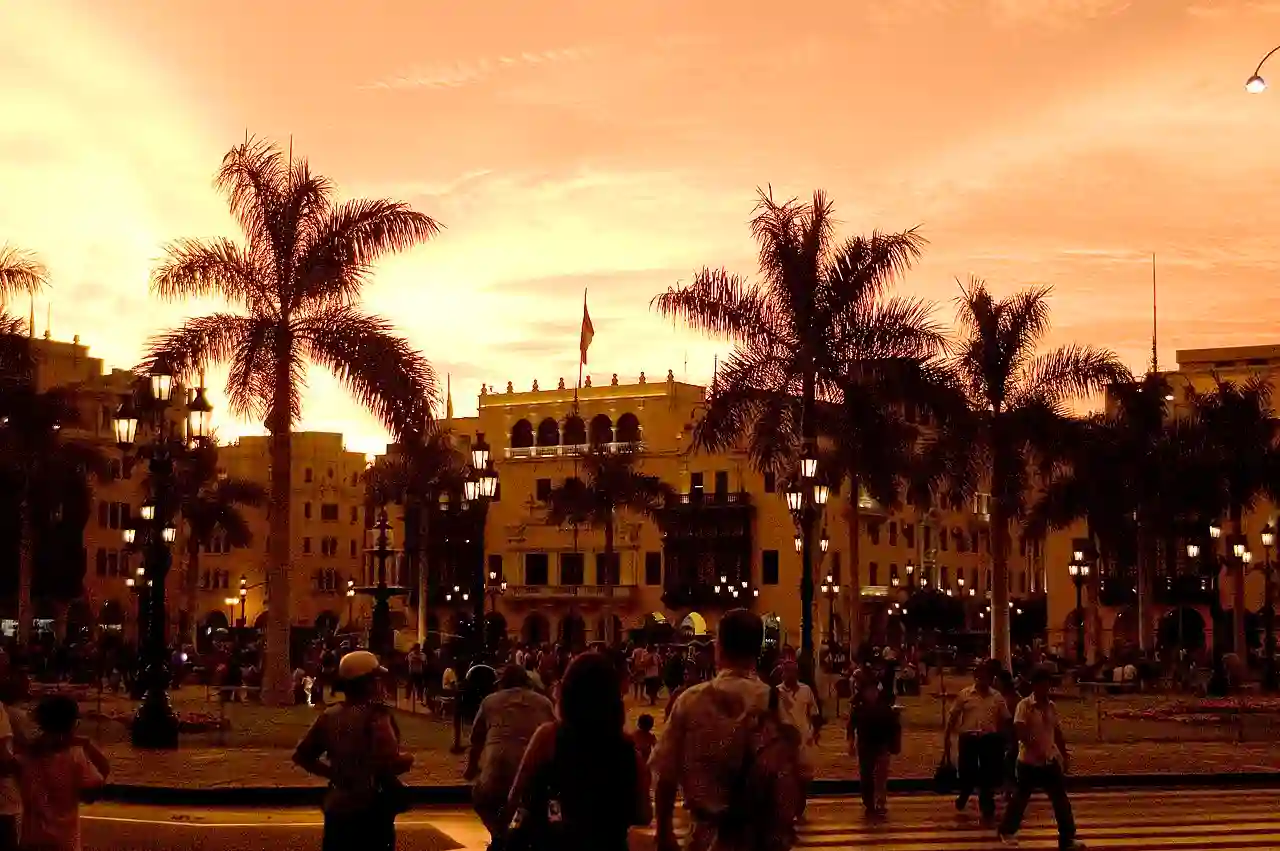
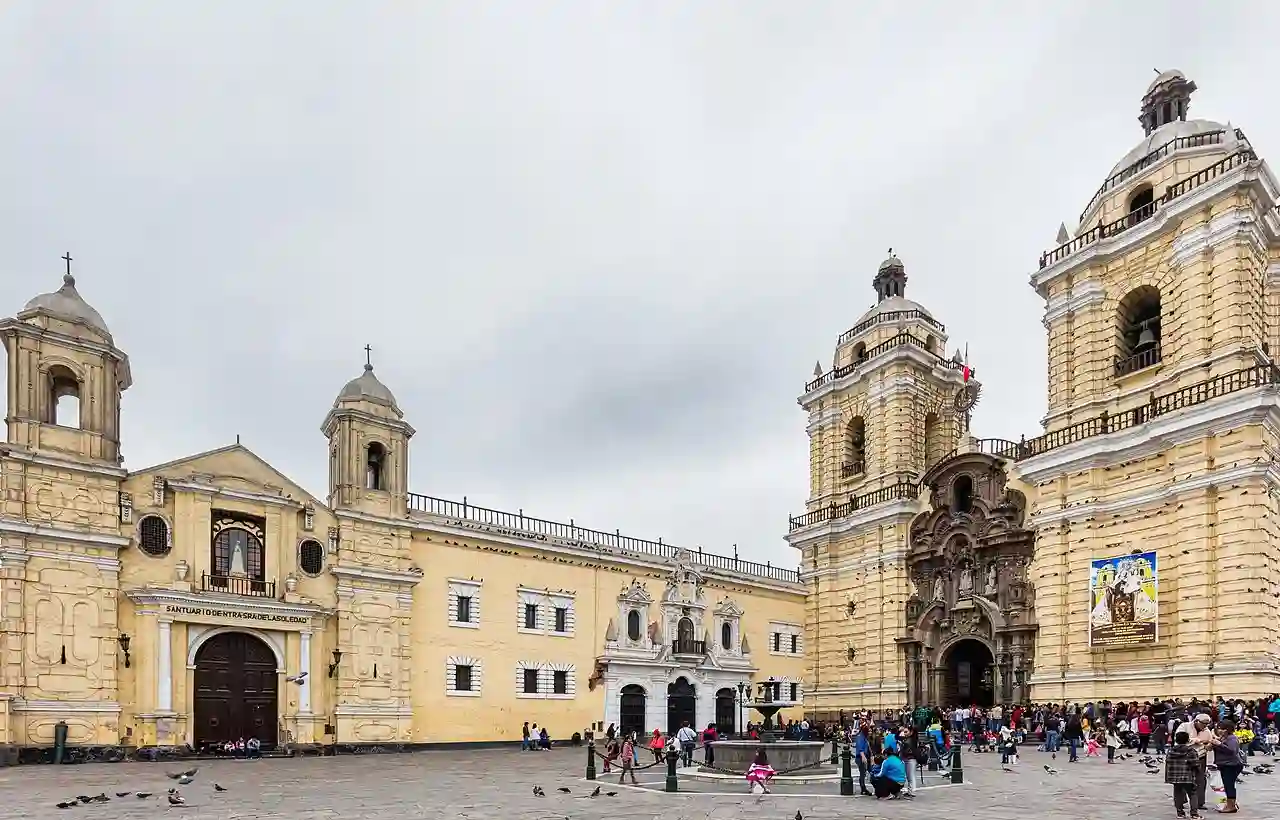
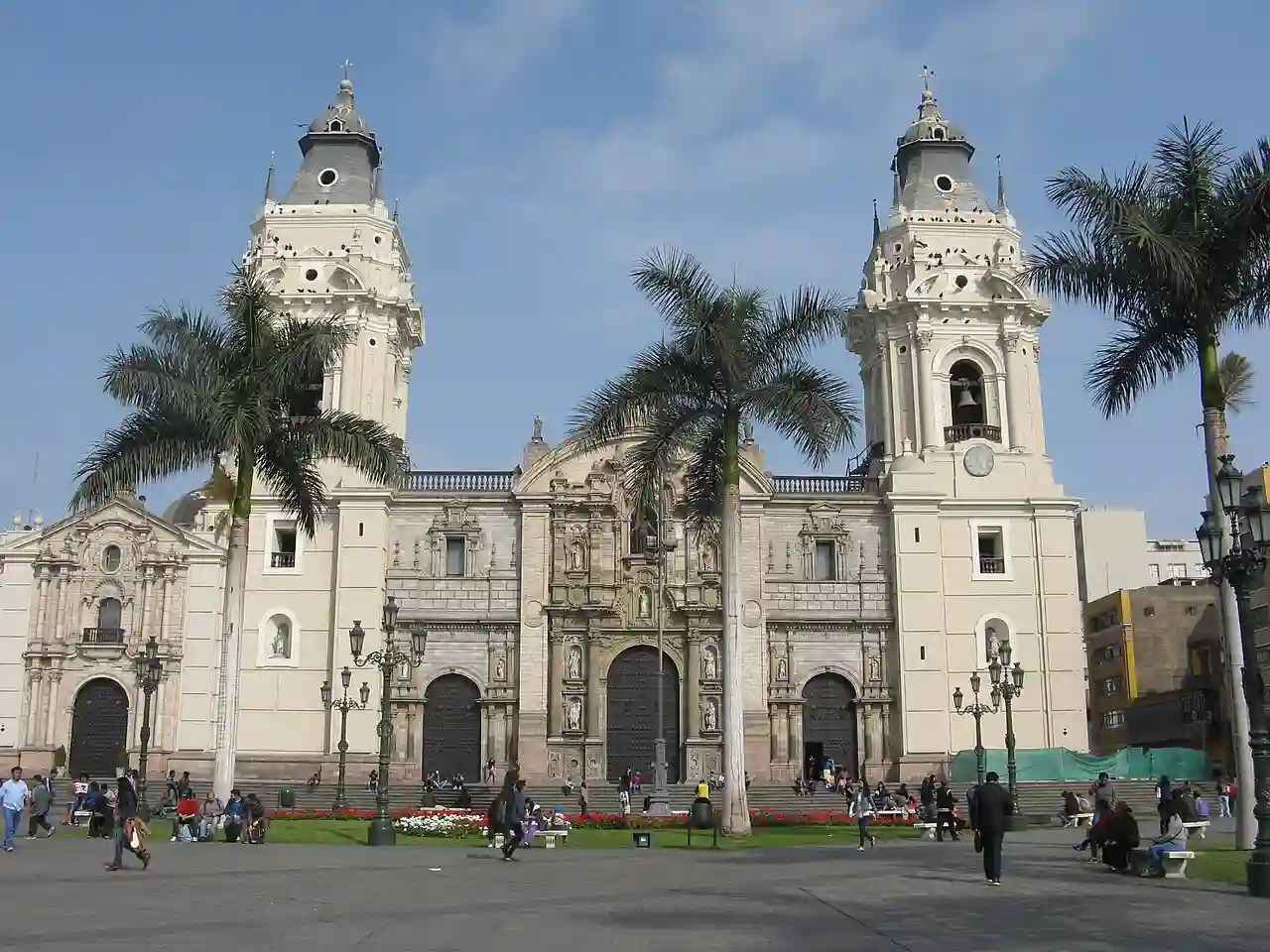
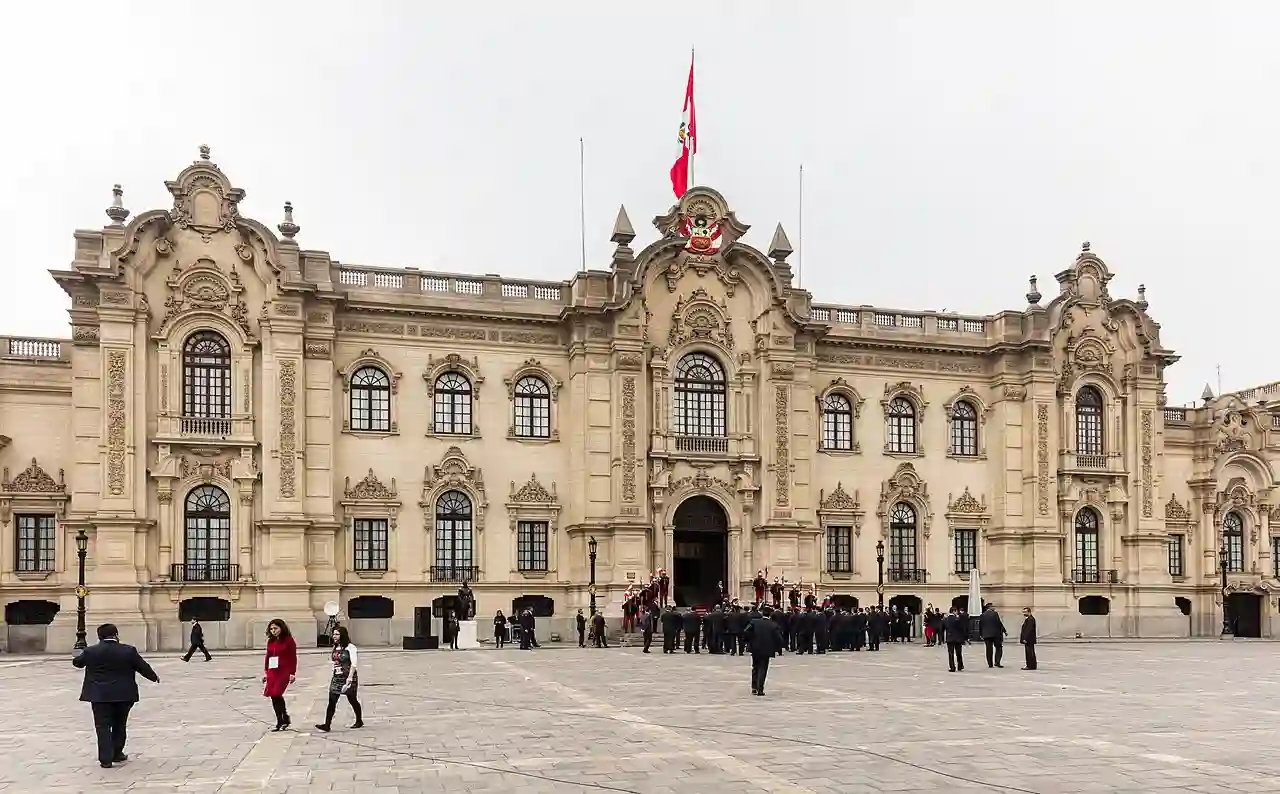
The capital of Peru, Lima is a dynamic metropolis of nearly 10 million inhabitants that perfectly embodies the meeting of colonial heritage and South American modernity. Founded in 1535 by Francisco Pizarro, it is now established as the country's essential political, economic, and cultural center. Its historic center, classified as a UNESCO World Heritage site, bears witness to the grandeur of the colonial era with architectural gems such as the cathedral and the Torre-Tagle palace. The city has also earned a global reputation for its exceptional gastronomic scene, offering a creative fusion of traditional Andean flavors, Spanish heritage, and Asian influences.
Geographical situation
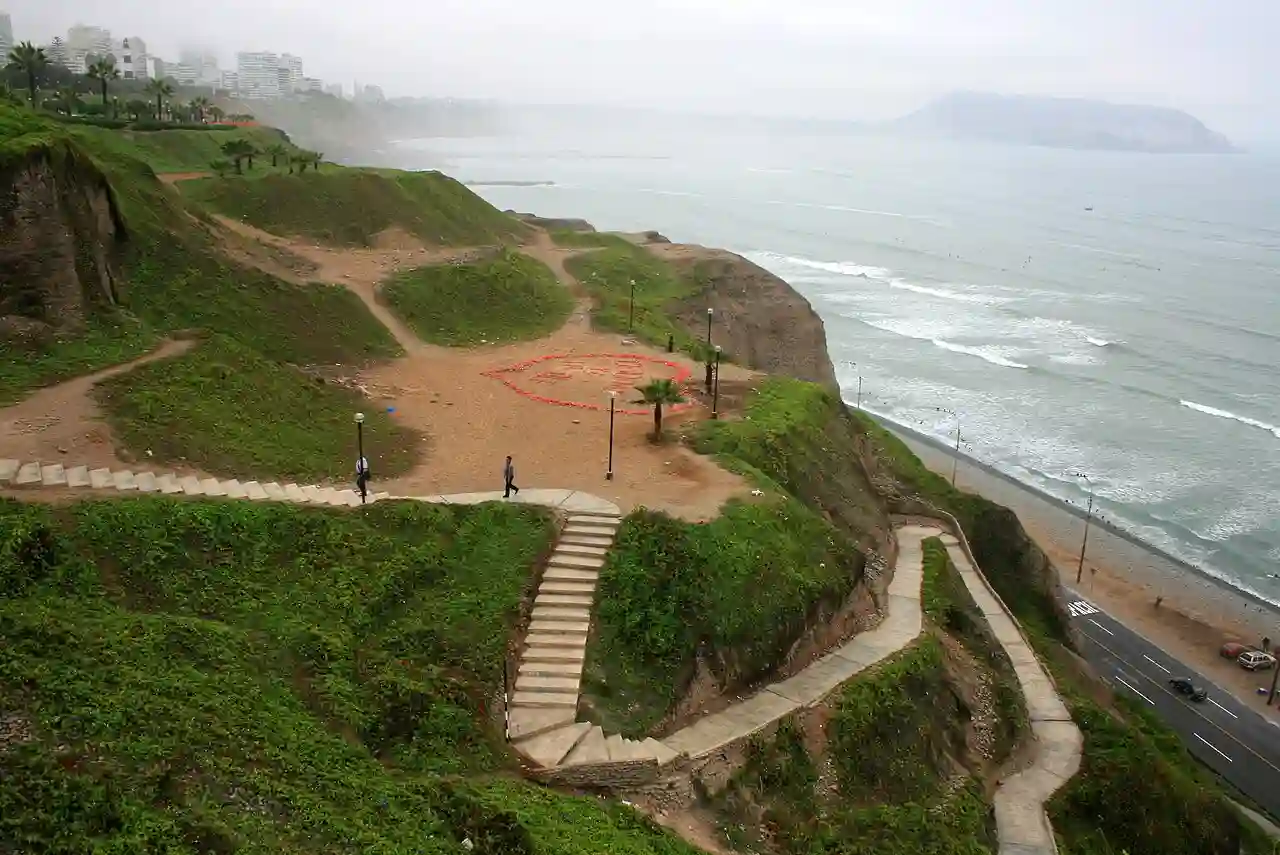
Situated on the central coast of Peru, the city majestically extends along the Pacific Ocean. It is bordered to the north by the regions of Ancash, Pasco, and Junín, while the Ica region marks its southern boundary. The Rímac River flows through the metropolis, earning it the poetic nickname "Ciudad de los Reyes" (City of Kings). This privileged location between the ocean and the mountain range offers contrasting landscapes, from coastal cliffs to verdant valleys.
Ambiance and character
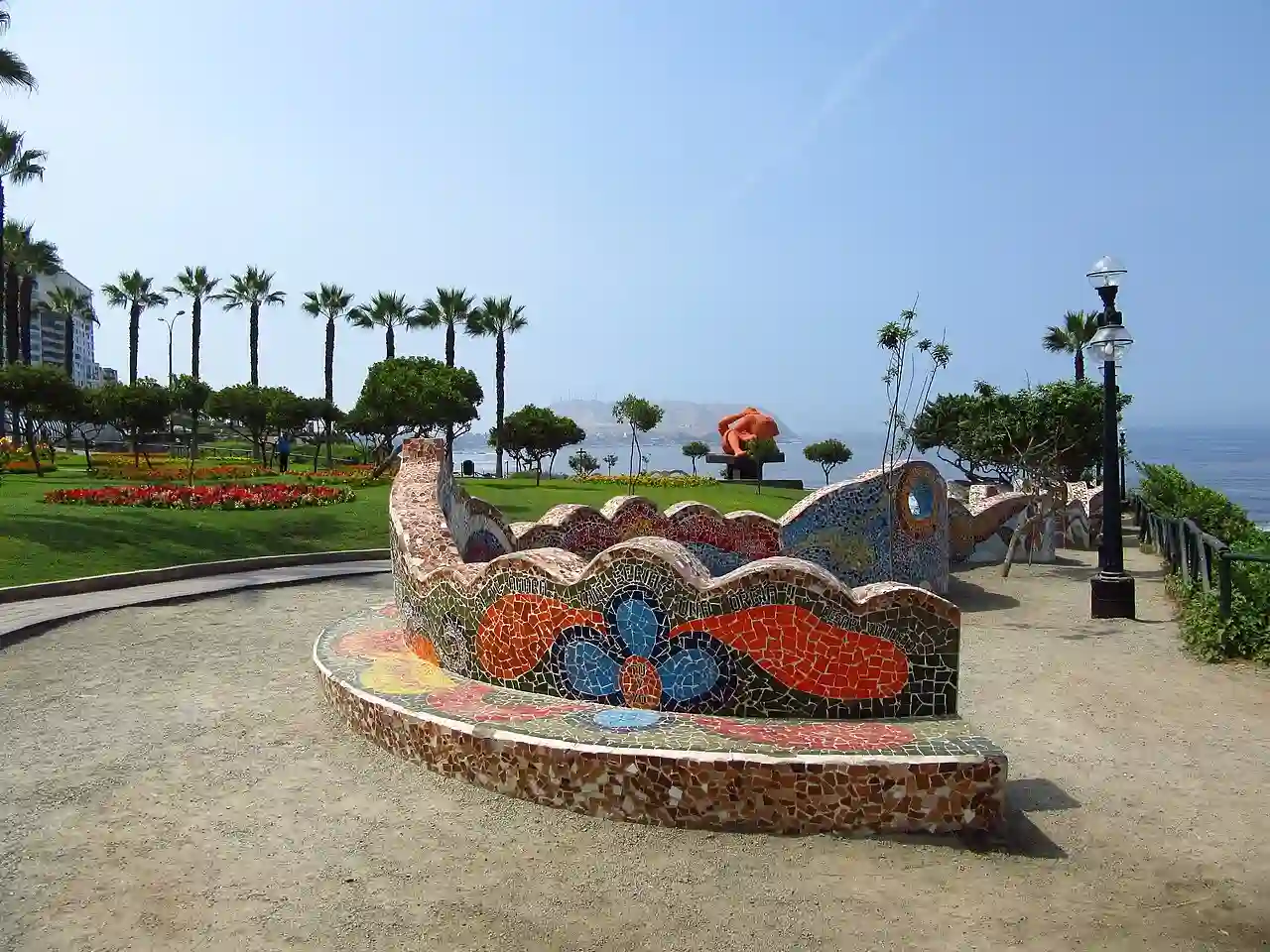
Lima reveals multiple personalities depending on its neighborhoods. The historic center exudes an authentic colonial atmosphere, punctuated by ancient buildings with colorful façades and lively squares where history and daily life intertwine. The neighborhoods of Miraflores and Barranco present a completely different face, more contemporary and bohemian, with their trendy cafes, art galleries, and vibrant nightlife. The proximity to the Pacific Ocean gives the whole area a unique maritime dimension, with spectacular seaside promenades and beaches favored by local and international surfers.
Climate
The coastal desert climate benefits from the moderating influence of the cold Humboldt current. Two distinct seasons mark the year:
- Summer (December to April): Temperatures pleasantly fluctuate between 20°C and 30°C, with sunny days and generally clear skies
- Winter (June to October): Cooler temperatures range between 15°C and 20°C, characterized by often overcast skies, a light fog known as "garúa," and increased humidity
Best season to visit
The optimal period corresponds to the Southern Hemisphere summer, from December to April. Weather conditions are ideal for fully enjoying the beaches and outdoor activities. However, it should be noted that this period coincides with the high tourist season, resulting in greater crowds and generally higher accommodation rates.
Access
Jorge Chávez International Airport, located in Callao about 11 kilometers from downtown, is the main air gateway. Official shuttles such as Airport Express Lima provide regular connections to major tourist neighborhoods like Miraflores and Barranco. Licensed taxis also represent a reliable option to reach the heart of the metropolis.
Internal transportation
Traffic in this megacity can be complex due to its size and traffic density. Several options are available to visitors:
- Metropolitano: Rapid bus system operating on dedicated lanes, efficiently linking major tourist neighborhoods
- Taxis and ride-hailing apps: Uber and Cabify are particularly recommended for their safety and reliability
- Traditional public transport: Buses and "combis" (minibuses), often crowded and less structured, generally discouraged for visitors unfamiliar with the city
It is highly advisable to plan your travels in advance and to prioritize secure means of transport for an optimal visiting experience.
Top 50
Wikipedia
Viator activities
Tiqets activities
Top 50
Reviews
Log in for free to add a review and discover others'.