


Quito
General presentation
Top 50
History, culture & traditions
Travel advice
Wikipedia
Viator activities
Tiqets activities
Overall presentation
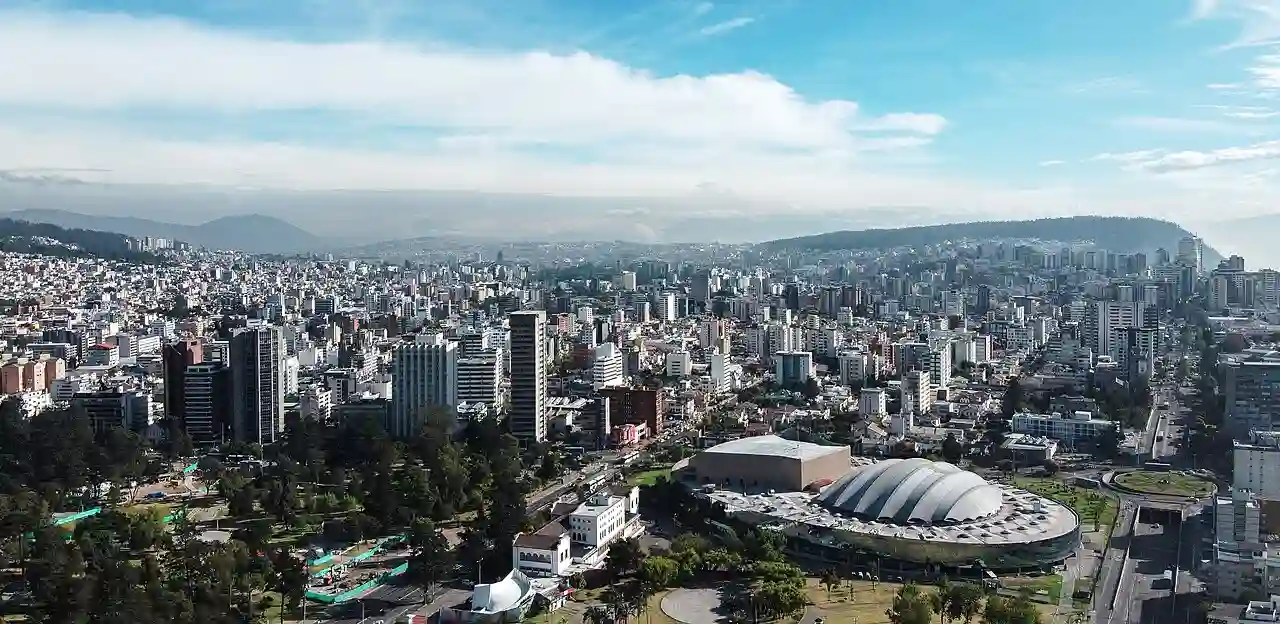
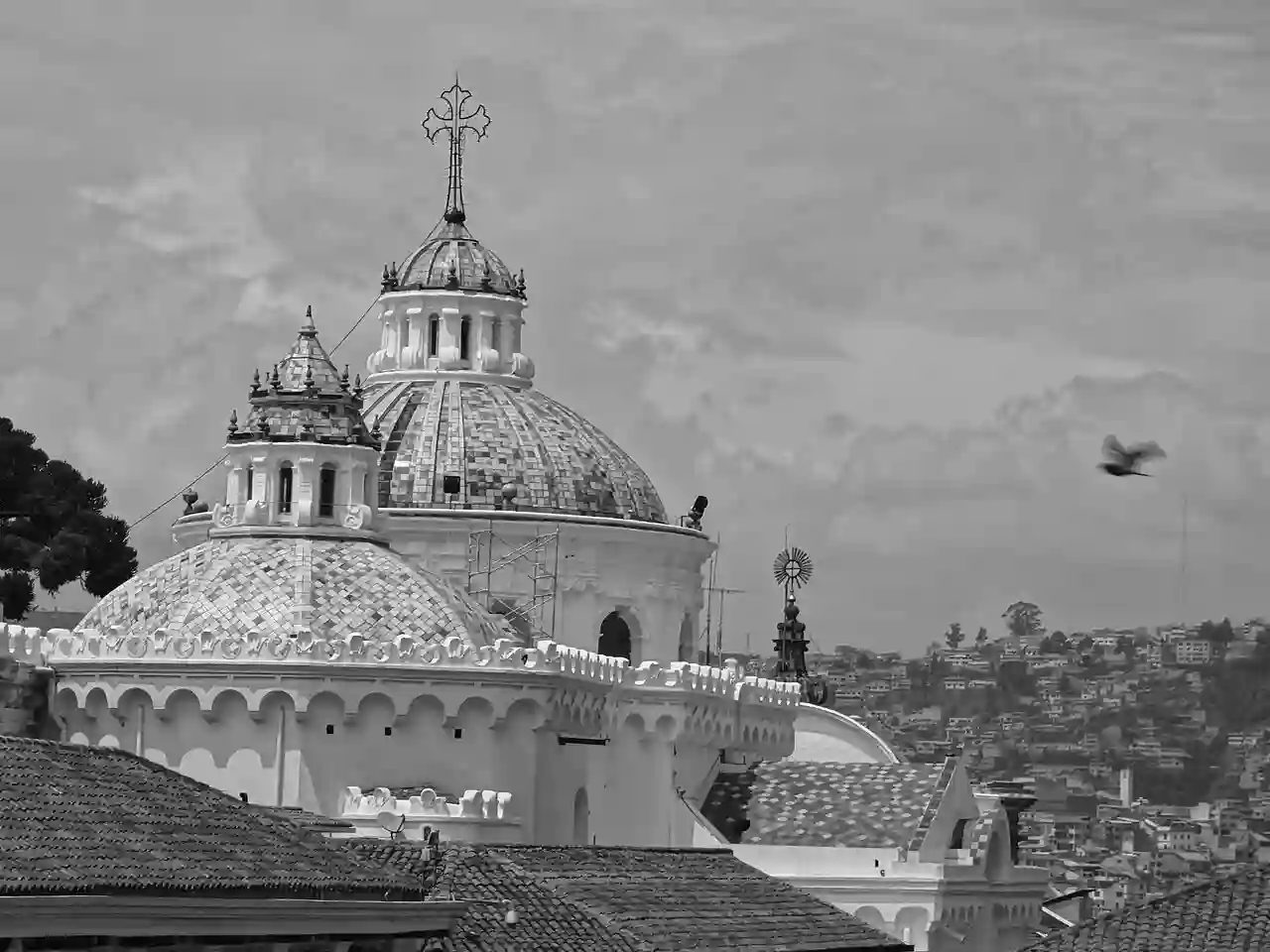
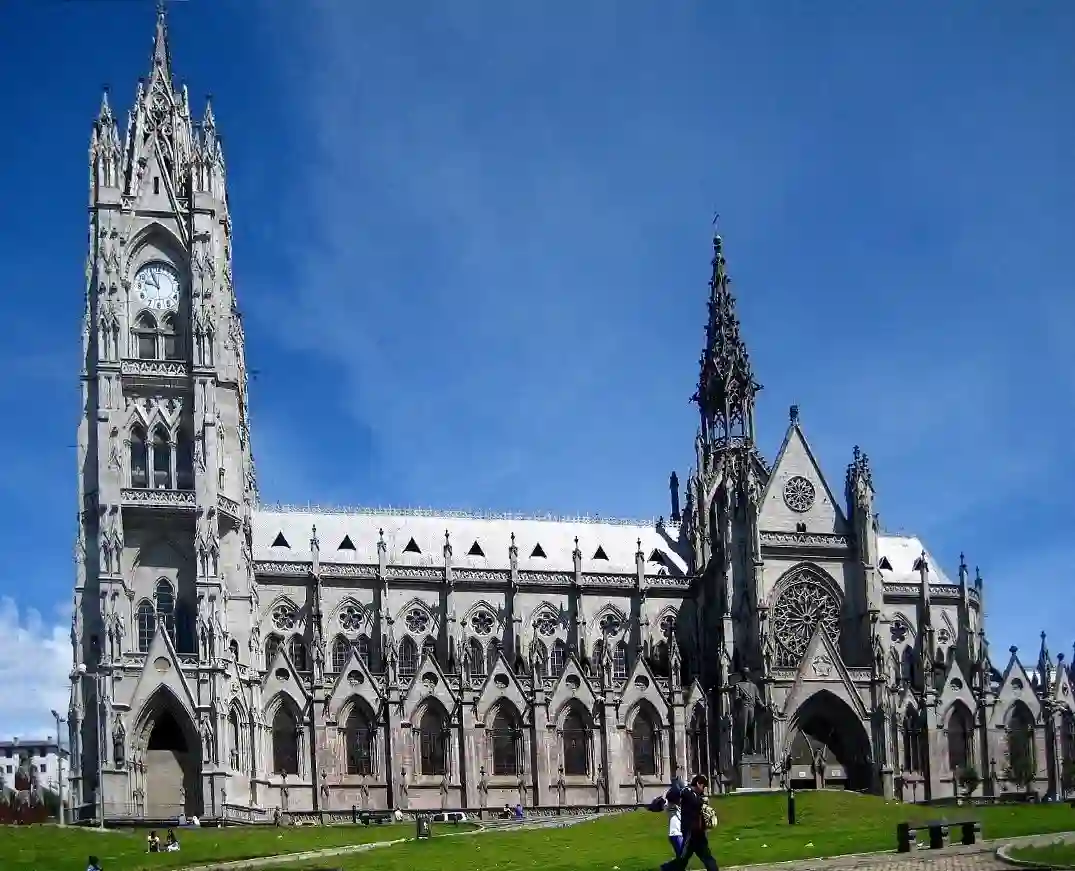
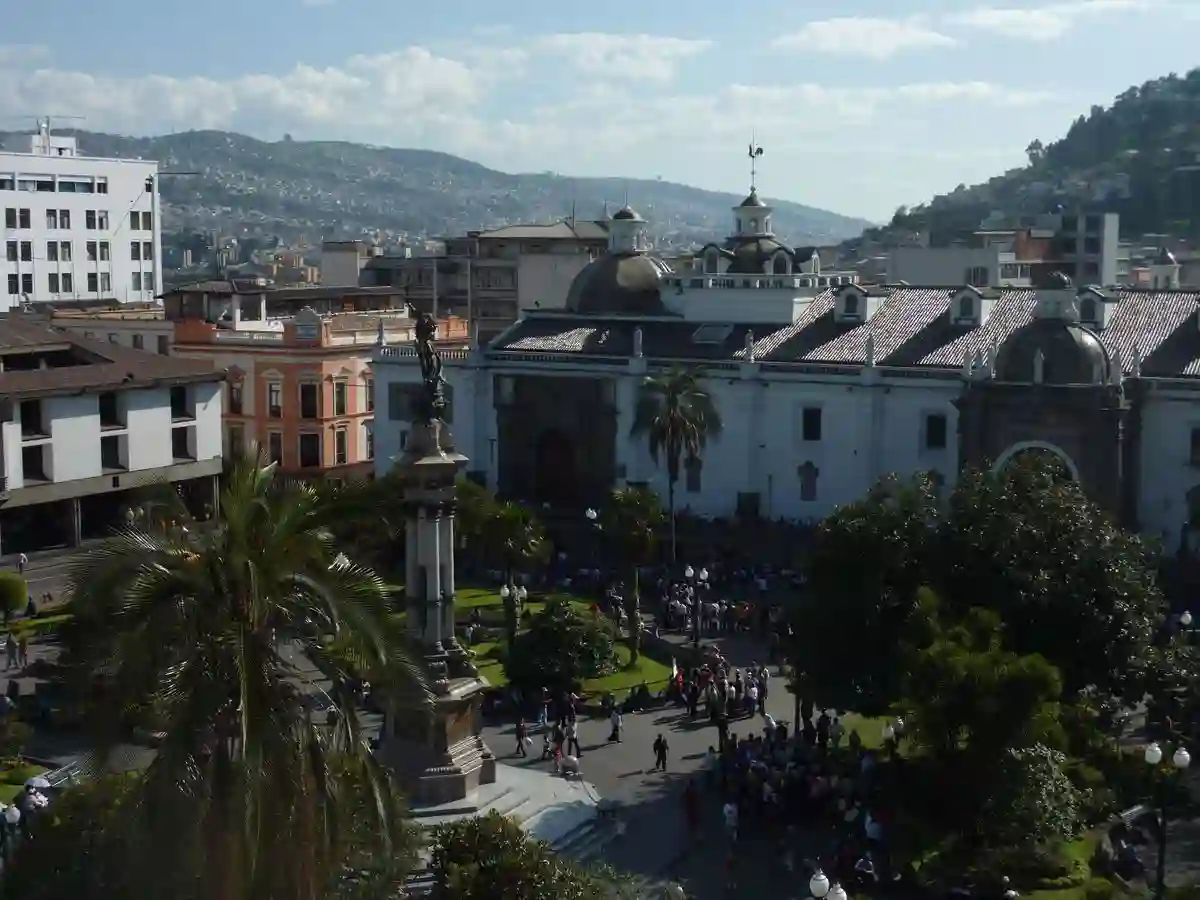
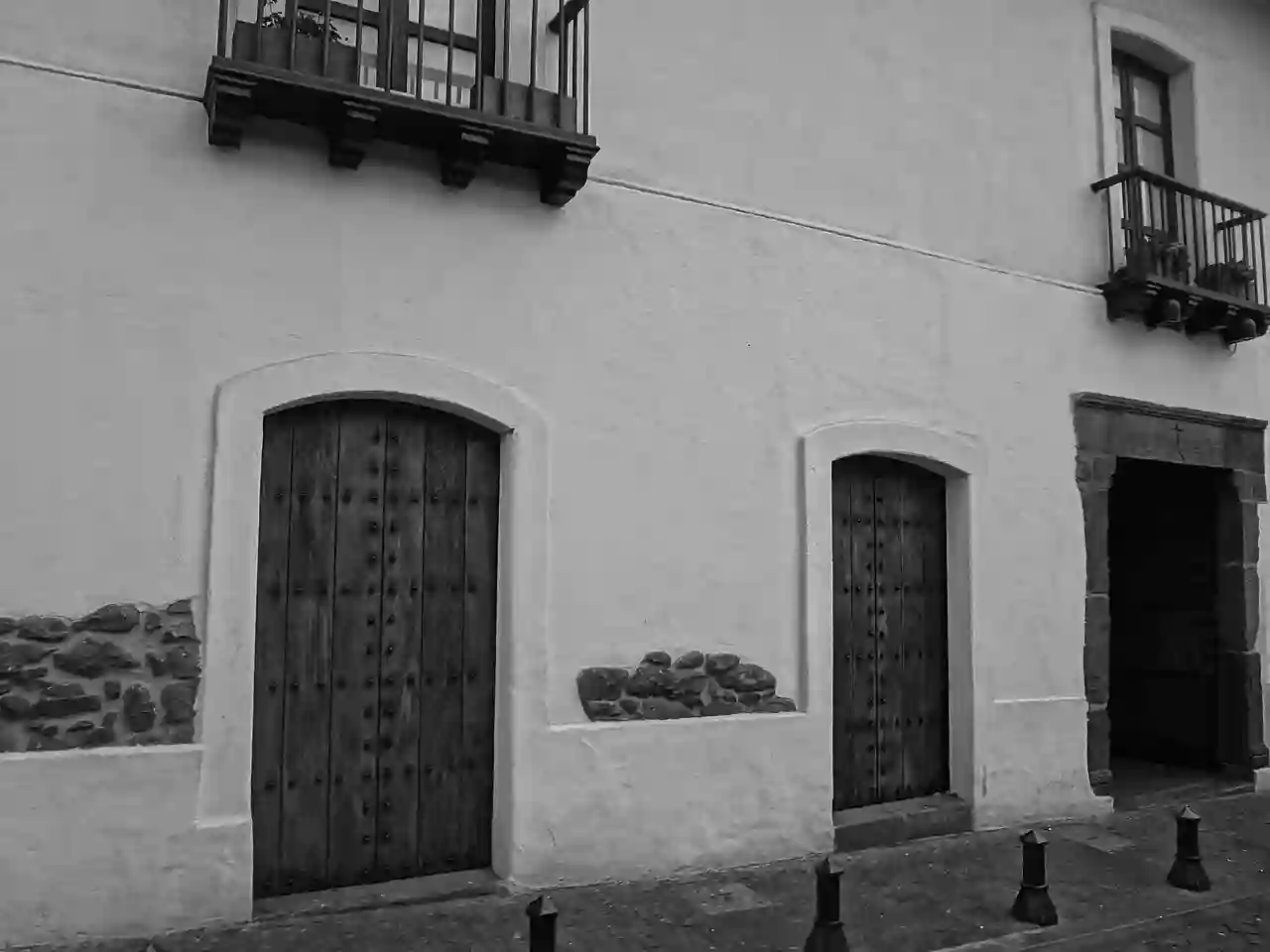
Capital of Ecuador, this exceptional Andean metropolis stands at an altitude of 2,850 meters, offering a living testament to South American colonial history. Founded in 1534, the city houses one of the best-preserved historical centers on the continent, recognized as a UNESCO World Heritage site since 1978. Its colonial churches, lively squares, and cobblestone alleys narrate five centuries of history, while the majestic volcanoes surrounding it create a stunning natural backdrop.
Geographical situation
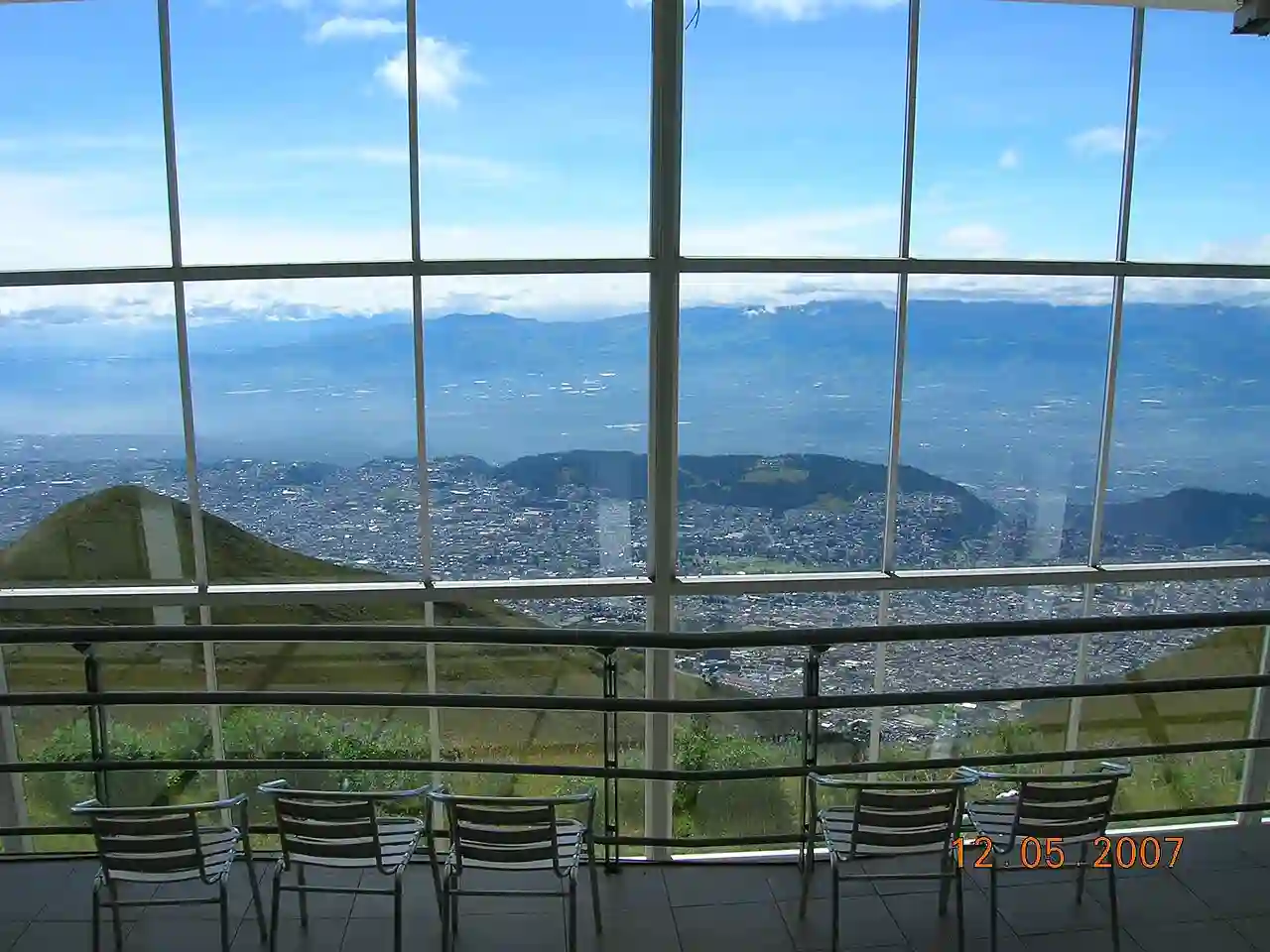
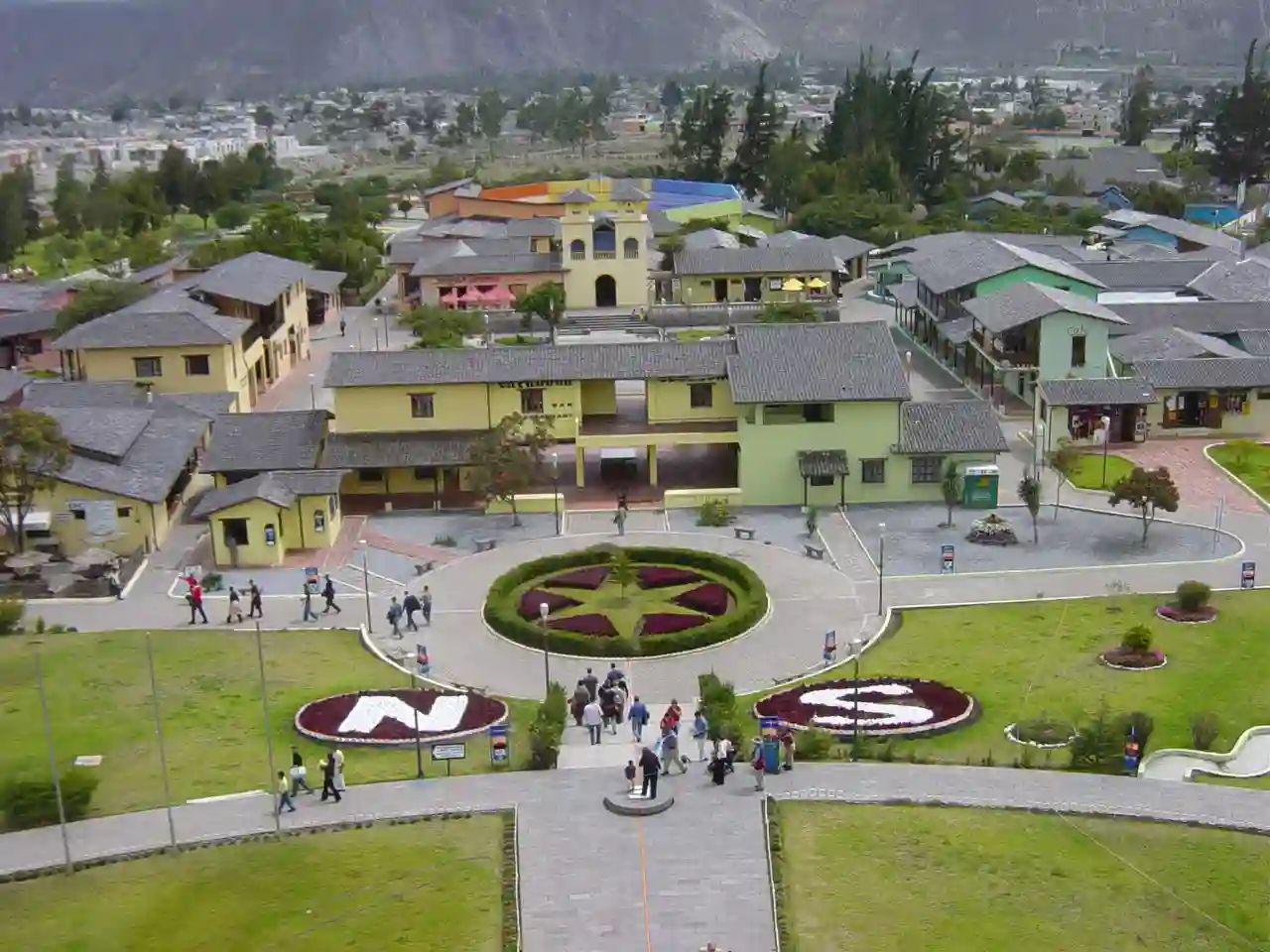
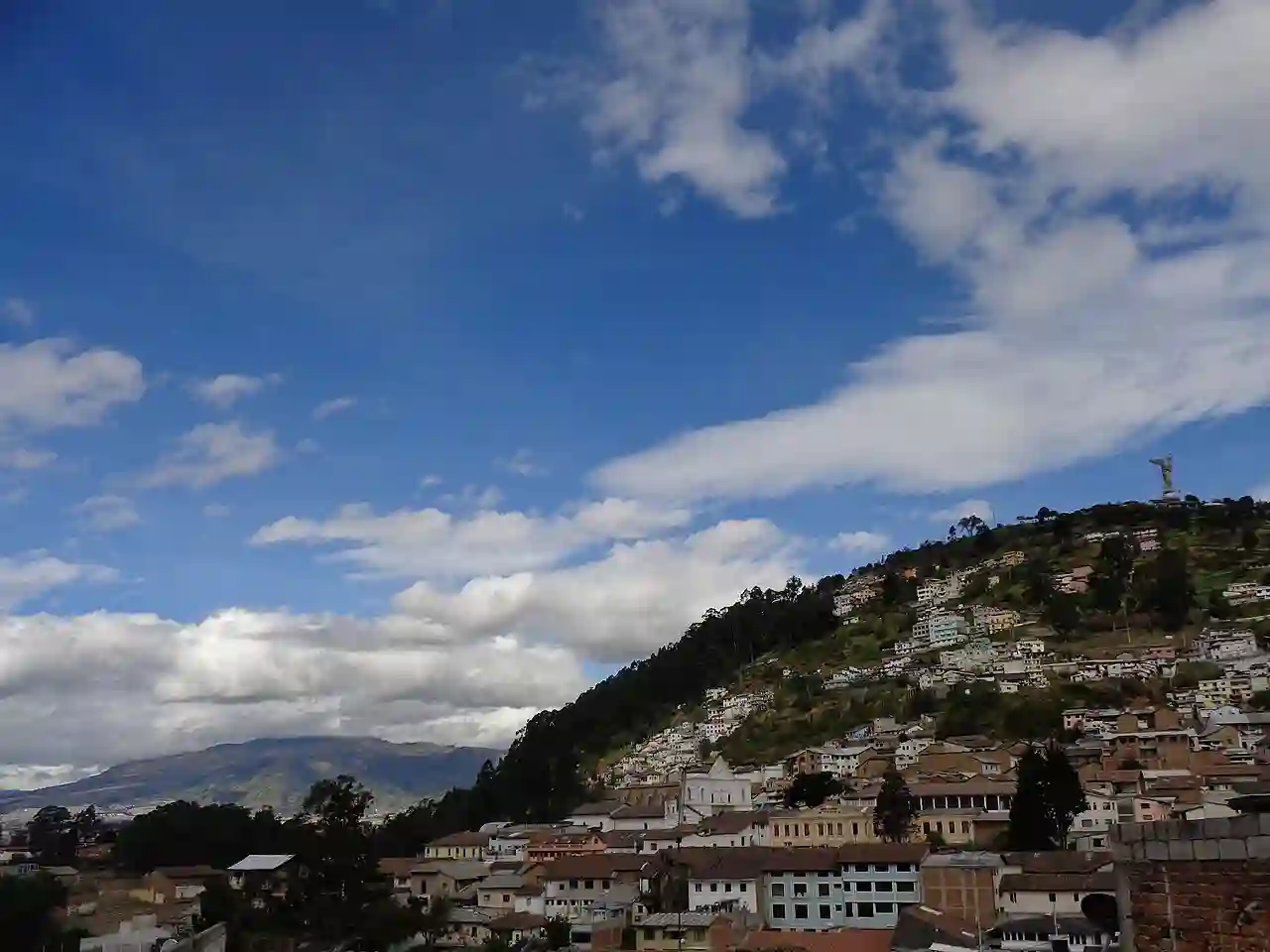
Situated in the heart of the Andes mountains, the city stretches about 50 kilometers from north to south, nestled on the slopes of the Guagua Pichincha volcano. Its exceptional position, in immediate proximity to the Earth's equator, gives it a unique geography in the world. The iconic volcanoes Pichincha, Cotopaxi, and Cayambe outline a spectacular horizon, while the famous "Mitad del Mundo" monument symbolically marks the nearby equatorial line.
Atmosphere and character
This fascinating destination reveals a particularly appealing dual personality. The baroque historical center, with its sumptuous churches and authentic colonial squares, harmoniously interacts with the modern neighborhoods in the north, where contemporary shopping centers, refined restaurants, and a dynamic nightlife thrive. This natural coexistence of millennia-old tradition and urban modernity creates a unique atmosphere, where each neighborhood tells a different era of Ecuadorian history.
Climate
The temperate oceanic climate offers remarkable stability throughout the year. Average temperatures hover around 14°C, with maximums generally reaching 19°C and minimums dropping to 10°C. This thermal regularity is accompanied by a well-defined rainfall regime:
- Rainy season: December to May
- Dry season: June to November
Best season to visit
The ideal period runs from June to September, coinciding with the dry season. These months offer optimal conditions with reduced precipitation and predominantly sunny days, perfect for discovering urban riches and exploring the mountainous surroundings in excellent visibility conditions.
Access
Mariscal Sucre International Airport, inaugurated in 2013, serves as the main gateway. Located in Tababela, about 18 kilometers from the city center, it features the longest runway in South America at 4,100 meters. Regular bus connections link the airport to the heart of the city, providing an economical and practical solution to reach various neighborhoods.
Internal transport
The public transport network has significantly modernized with the inauguration in 2023 of the metro, whose main line serves 15 stations from north to south across the metropolitan area. This system is effectively complemented by:
- A network of urban buses
- Trolleybuses operating on main routes
- Registered official taxis
- Ride-hailing services like Uber
For safety reasons, it is highly recommended to avoid informal taxis and to prefer official transport options.
Top 50
Wikipedia
Viator activities
Tiqets activities
Top 50
Reviews
Log in for free to add a review and discover others'.