

Guayaquil
General presentation
Top 50
History, culture & traditions
Travel advice
Wikipedia
Viator activities
Tiqets activities
Overall presentation
Nicknamed the "Pearl of the Pacific," this Ecuadorian metropolis founded in 1537 by Francisco de Orellana is now the largest city in the country and its main economic center. Its status as the country's primary seaport makes it a major player in international trade thanks to its ultramodern port infrastructure.
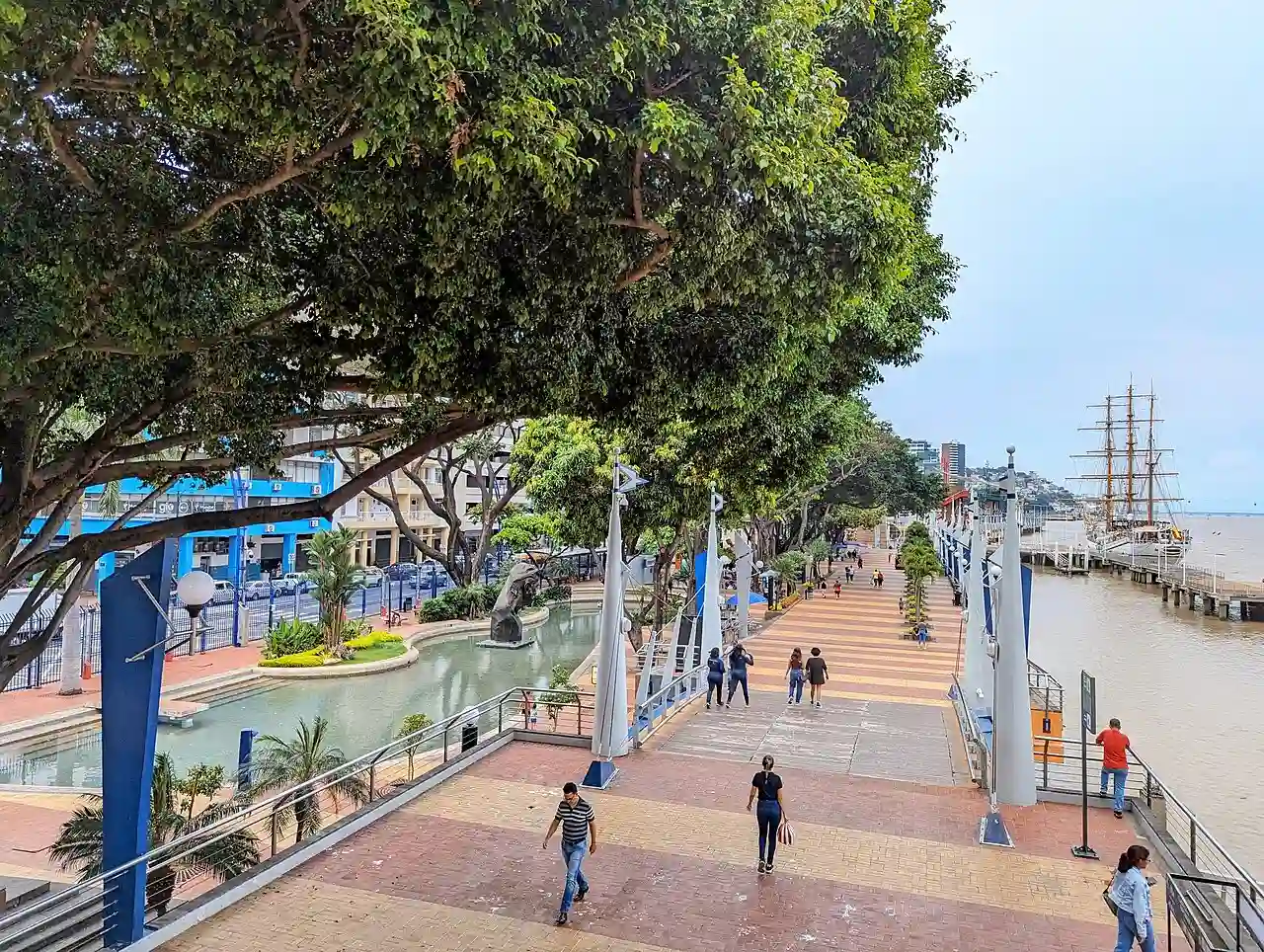
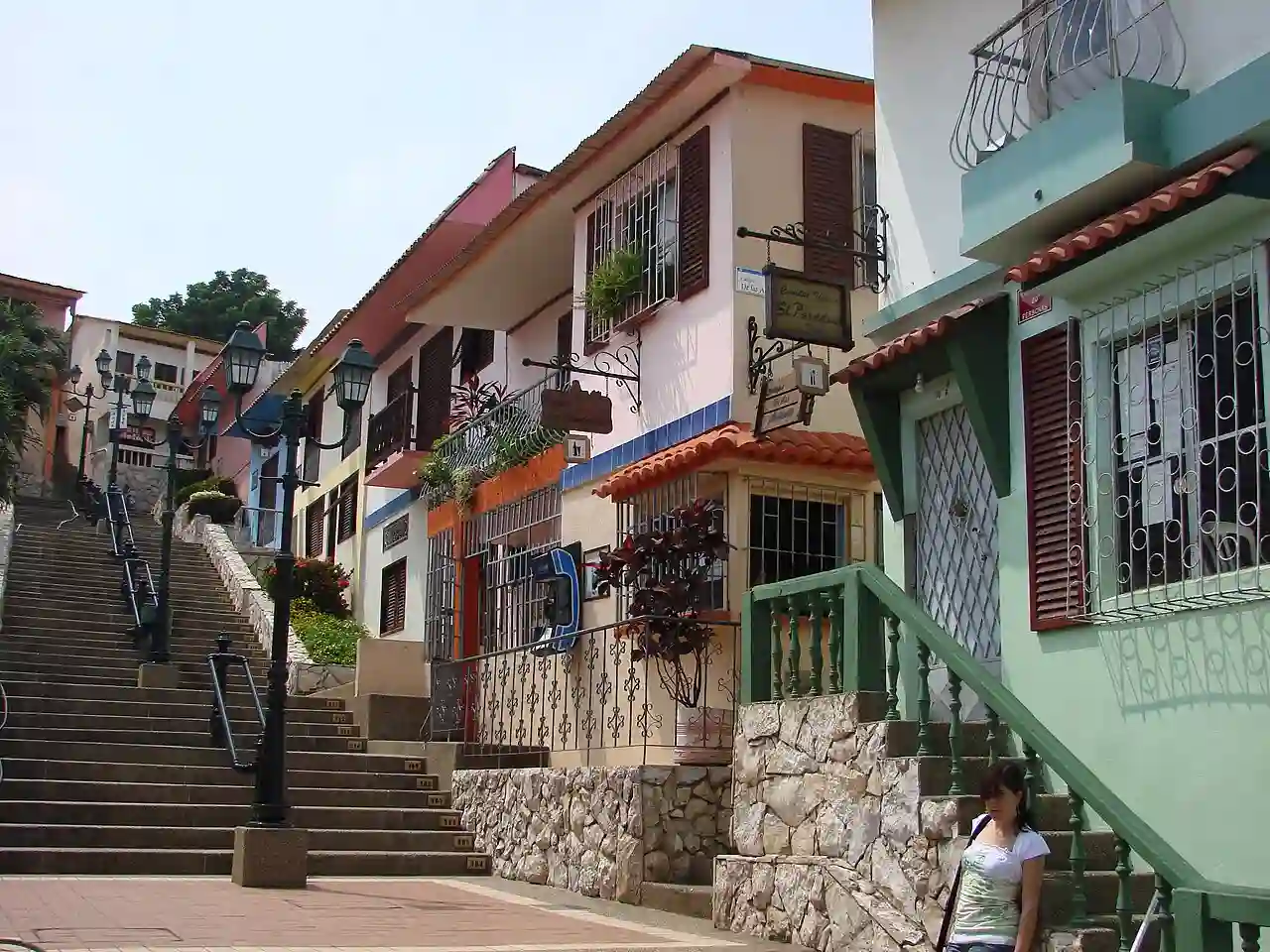
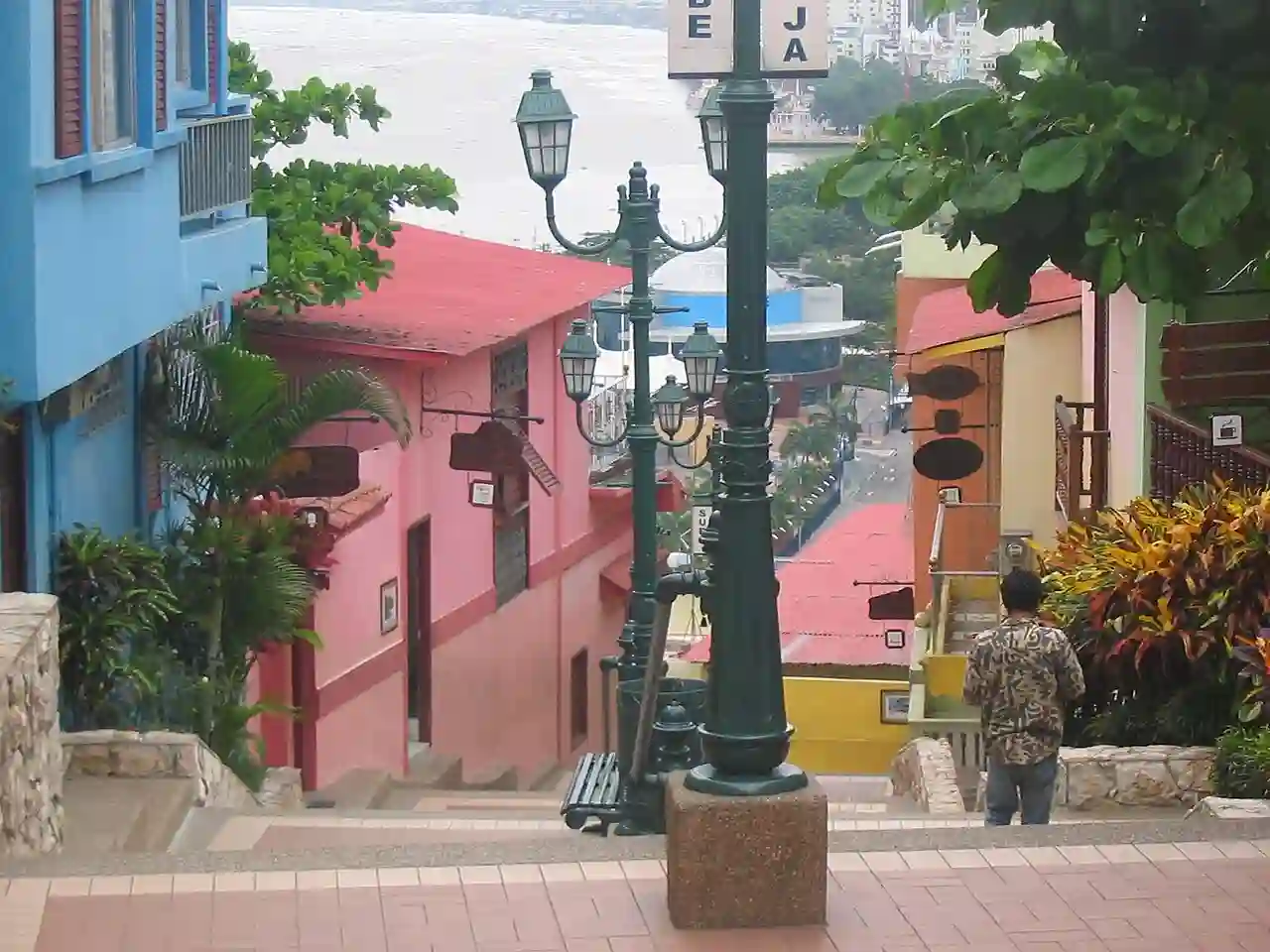
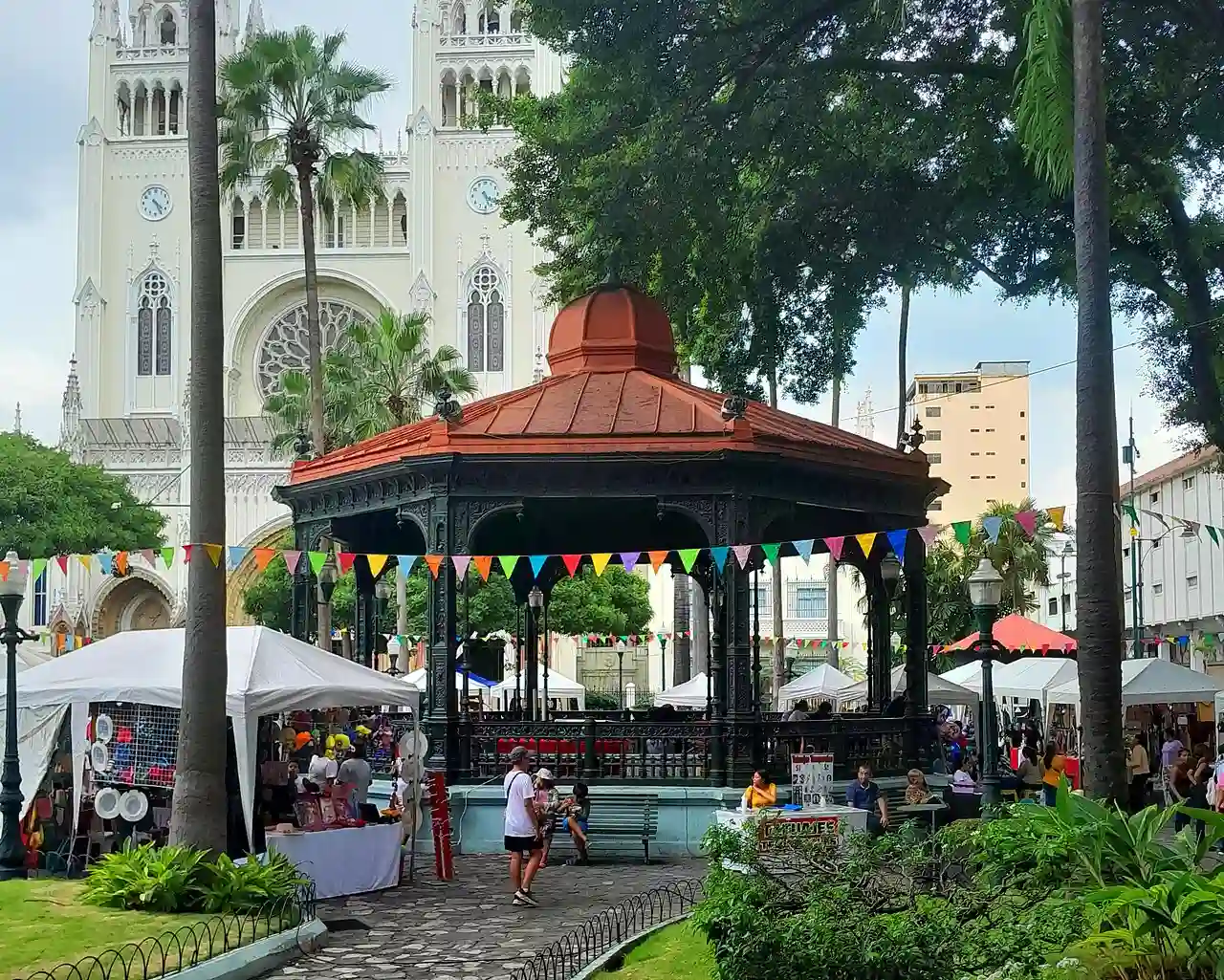
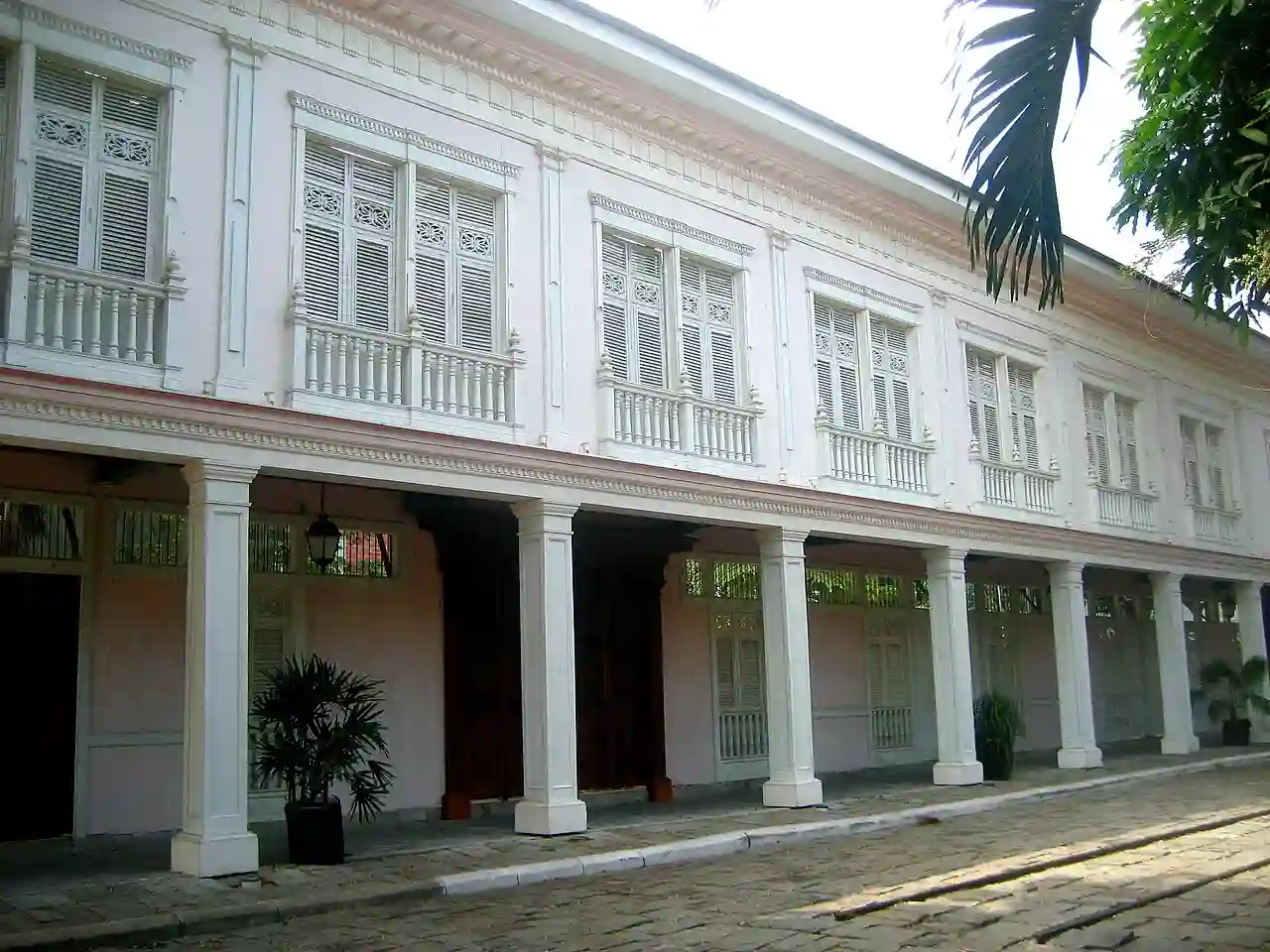
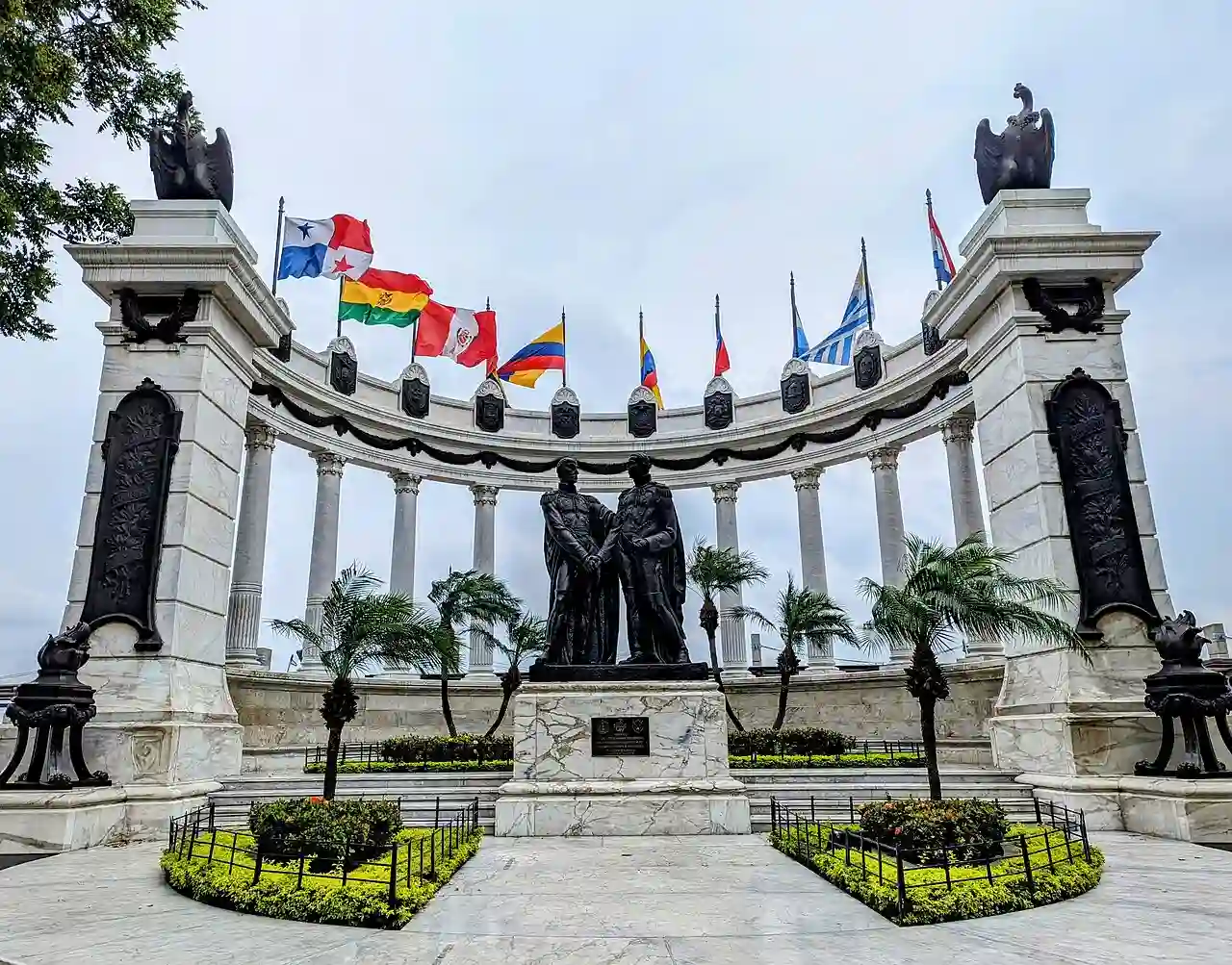
The city charms with its contrasting architecture, harmoniously blending contemporary buildings and preserved historic neighborhoods. The picturesque district of Las Peñas reveals its colorful houses and period cobblestone streets, while the Malecón 2000, an elegant promenade along the Guayas River, serves as a favored walking area for locals and visitors alike.
Geographical location
Strategically located on the west coast of South America, the city thrives at the mouth of the Guayas River, on the doorstep of the Pacific Ocean. As the capital of the Guayas province, it occupies a privileged geographical position that makes it the natural access point to the famous Galápagos Islands.
Atmosphere and character
The atmosphere in this dynamic metropolis is characterized by its warmth and genuine hospitality. The particularly lively nightlife in the Las Peñas district helps create a festive and friendly ambiance. The richness of the local cultural scene is expressed through a dense schedule of festivals and events that punctuate the year and showcase the artistic dynamism of the region.
Climate
The tropical climate benefits from the contrasting influence of the cold Humboldt currents and the warm El Niño, creating a well-defined seasonal cycle. This particular climatic configuration generates two distinct seasons:
- Rainy season (December to April): hot and humid period
- Dry season (May to December): cooler and more pleasant period
Temperatures remain constant throughout the year, pleasantly oscillating between 20 and 27 °C.
Best season to visit
The optimal period extends from June to December, corresponding to the dry season. These months offer ideal climatic conditions with reduced precipitation, greatly facilitating tourist activities and urban travel.
Access
José Joaquín de Olmedo International Airport, the second-largest airport infrastructure in the country, ensures excellent national and international connectivity. Flight connections serve:
- National destinations: Quito, Cuenca
- International destinations: New York, Madrid, Amsterdam
Ground transport offers an alternative via the bus terminal located north of the airport, with regular connections to various Ecuadorian cities and Peru.
Internal transport
The urban transport network provides several solutions suited to all needs:
- Metrovía: rapid bus system serving the main routes
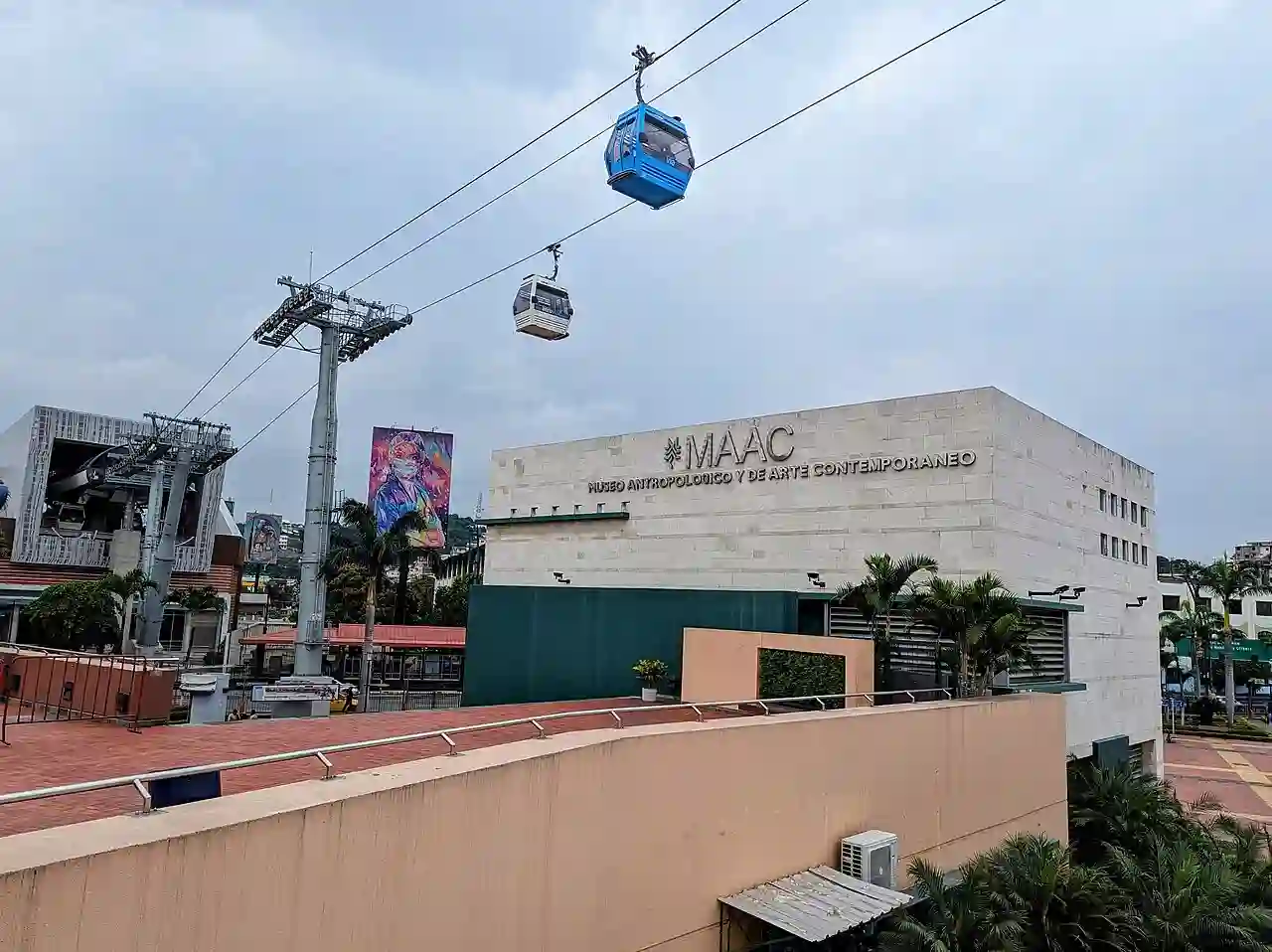
- Aerovía: urban cable car inaugurated in 2020, connecting the city to Durán
- Taxis and ridesharing apps: widely available throughout the city
- Walking: particularly enjoyable along the Malecón 2000 and in the historic Las Peñas district
Top 50
Wikipedia
Viator activities
Tiqets activities
Top 50
Reviews
Log in for free to add a review and discover others'.