

Medellín
General presentation
Top 50
History, culture & traditions
Travel advice
Wikipedia
Viator activities
Tiqets activities
Global presentation
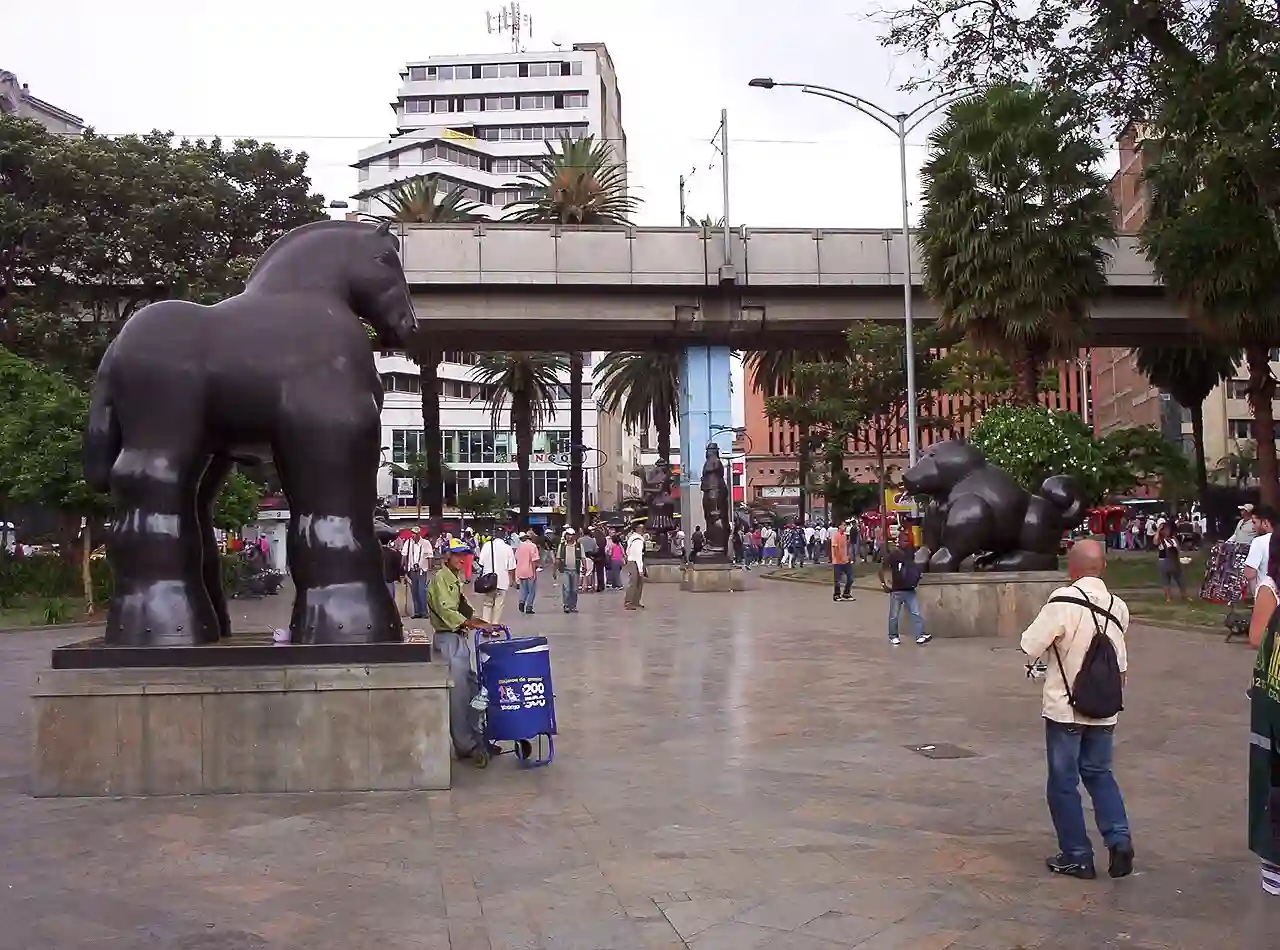
Nicknamed the "City of Eternal Spring," Medellín is the second largest city in Colombia and the capital of the Antioquia department. This metropolis has undergone a remarkable transformation, evolving from a tumultuous past into a dynamic and innovative destination that fascinates travelers from around the world today. Known for its exceptional cultural richness, vibrant nightlife, and the legendary warmth of its inhabitants known as "Paisas," it stands out as one of the must-visit destinations in South America.
Geographical location
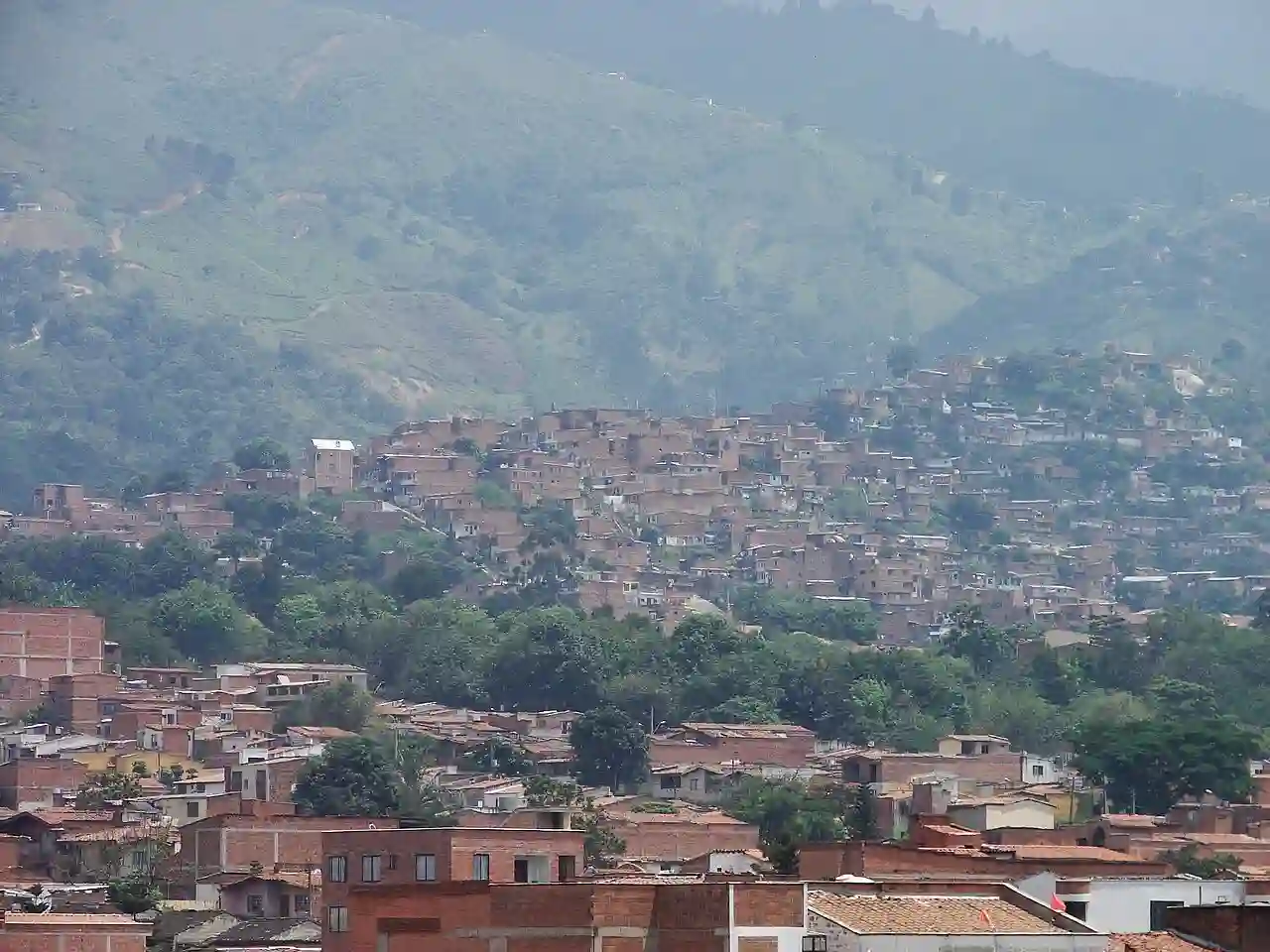
Nestled at about 1,500 meters above sea level in the Aburrá Valley, the city is majestically surrounded by the Central Andes mountain range. This privileged position, crossed by the Medellín River, provides it with a spectacular natural setting and a unique mountainous environment. Its proximity to the equator, combined with this considerable altitude, creates exceptional geographic conditions that directly influence its climate and distinctive atmosphere.
Ambiance and character
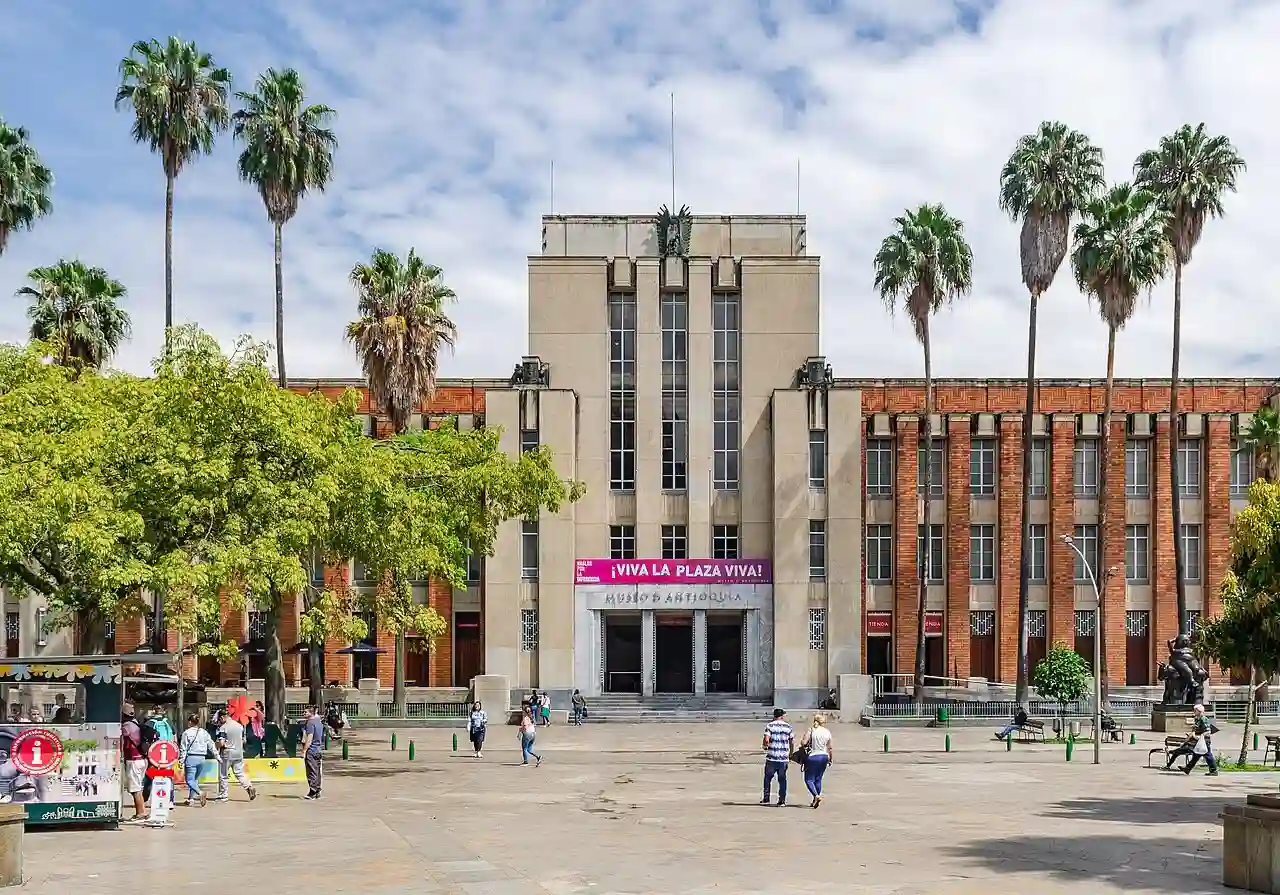
The atmosphere of Medellín is characterized by constant dynamism and ongoing innovation. The cultural scene is particularly rich with its numerous museums, theaters, and art galleries that showcase local creativity. The nightlife is particularly vibrant, especially in the emblematic neighborhoods of El Poblado and Laureles, where a multitude of bars, nightclubs, and restaurants create a festive and cosmopolitan ambiance. The hospitality of the Paisas adds a warm human dimension to this urban excitement.
Climate
Thanks to its altitude and equatorial position, the city enjoys a remarkably stable temperate climate throughout the year. Average temperatures pleasantly range between 16°C and 28°C, fully justifying its nickname of "City of Eternal Spring." The rainfall regime includes two main rainy seasons, from April to May and from September to November. However, even during these periods, the showers are generally short and give way to many sunny days.
Best time to visit
The most favorable periods for visiting extend from December to March and from June to August, corresponding to the dry season when precipitation is lower and sunny days are more frequent. These periods also coincide with major cultural events that enrich the tourist experience:
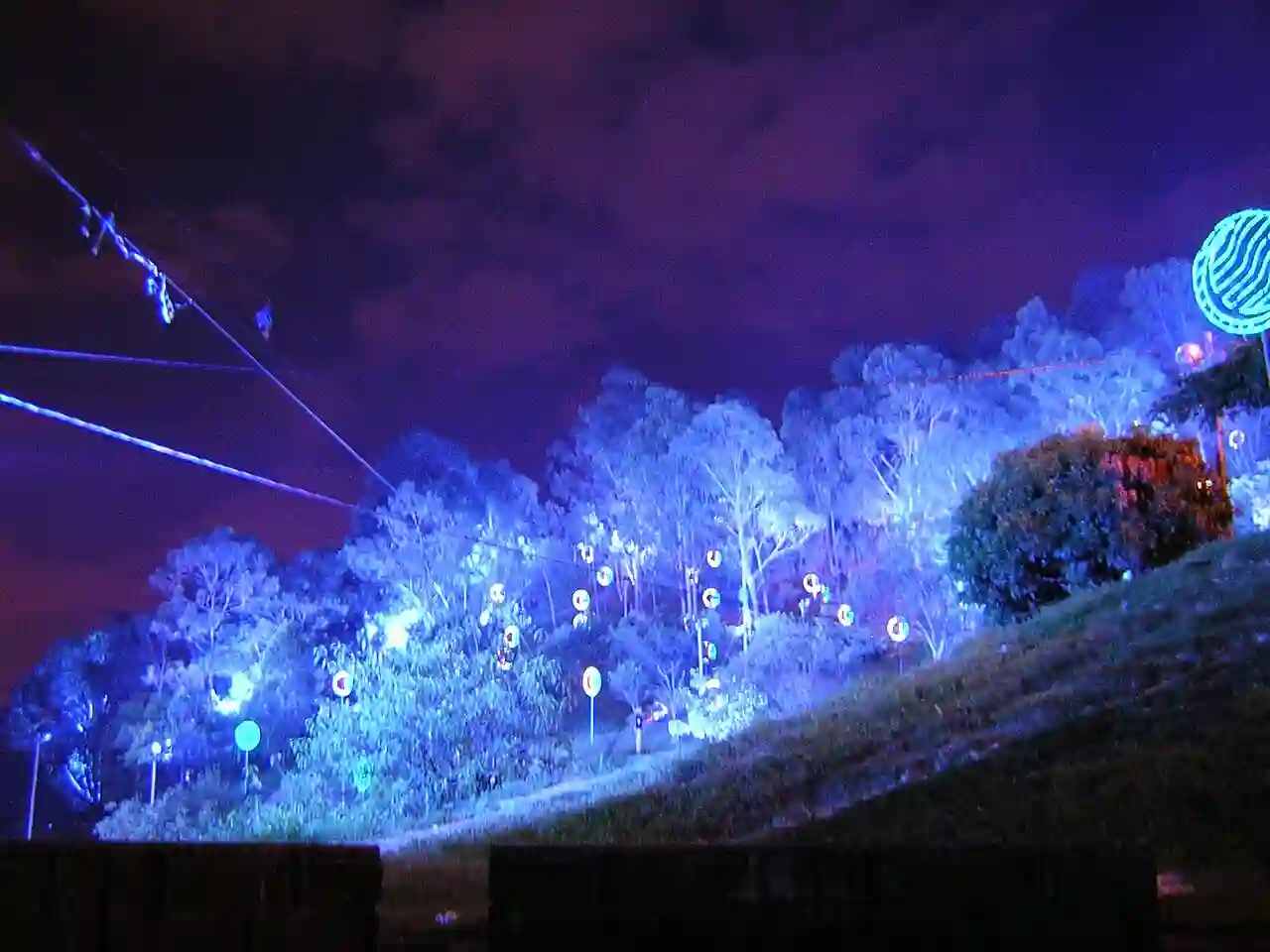
- The Alumbrado Navideño in December, a spectacular illumination of the city
- The Feria de las Flores in August, an emblematic festival celebrating the floral wealth of the region
Access
The city is served by two complementary airports:
- José María Córdova International Airport (MDE): the main entry point located about 35 km from downtown, welcoming national and international flights
- Olaya Herrera Airport (EOH): closer to the urban center, primarily dedicated to domestic connections
Ground transportation is organized around two strategic bus terminals:
- Terminal del Norte: serves destinations to the north and east of the country
- Terminal del Sur: provides connections to the south and west
Internal transport
The city stands out for its integrated and particularly efficient public transportation system:
- Metro: two main lines (A and B) cross the metropolis from north to south and from east to west
- Metrocable: an innovative cable car system connecting high neighborhoods to central areas, offering exceptional views of the valley
- Tramway (Tranvía): line T-A completing the urban rail network
- Metroplús: a high service level bus system integrated into the metropolitan network
Complementary transport solutions include traditional taxis, ridesharing services like Uber, and an urban bus network covering the entire metropolitan area.
Top 50
Wikipedia
Viator activities
Tiqets activities
Top 50
Reviews
Log in for free to add a review and discover others'.