

Santiago
General presentation
Top 50
History, culture & traditions
Travel advice
Wikipedia
Viator activities
Tiqets activities
Overall presentation
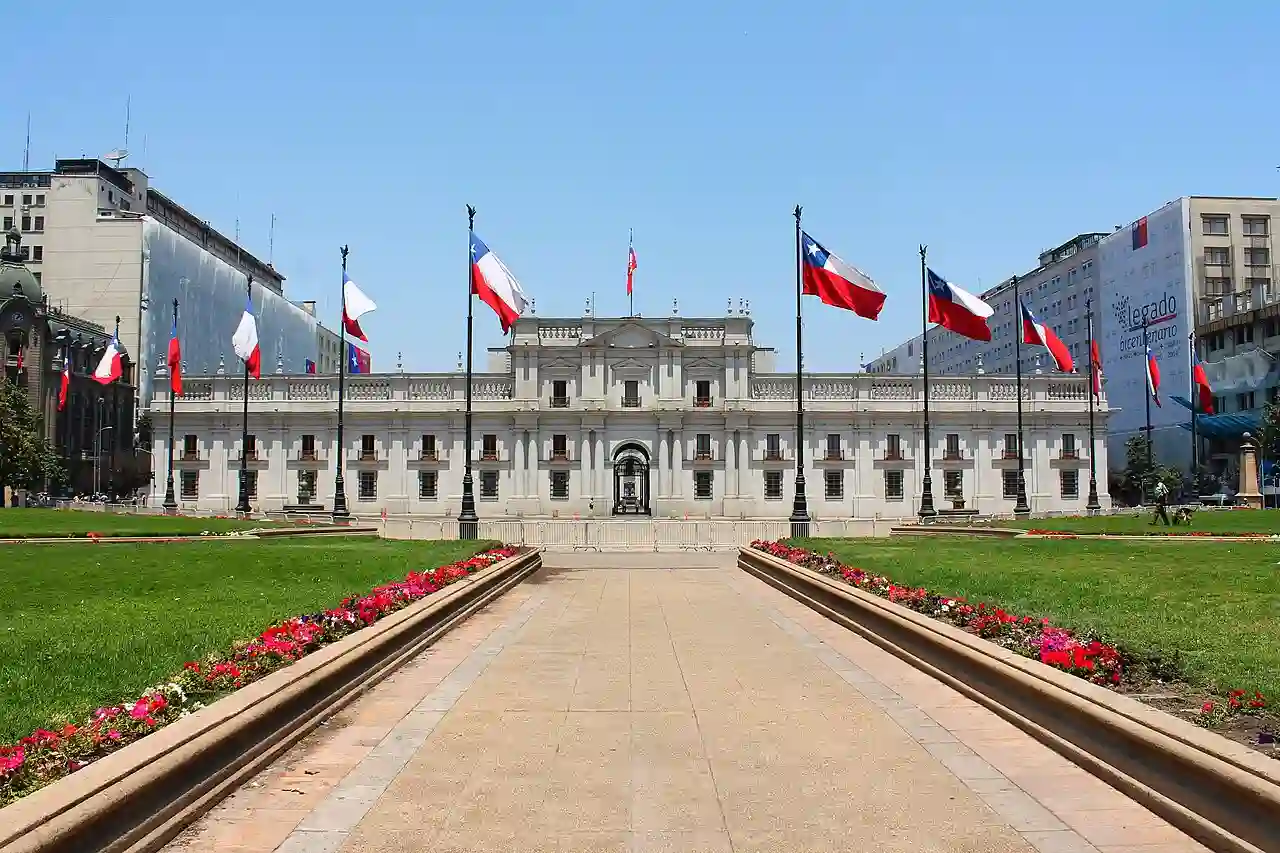
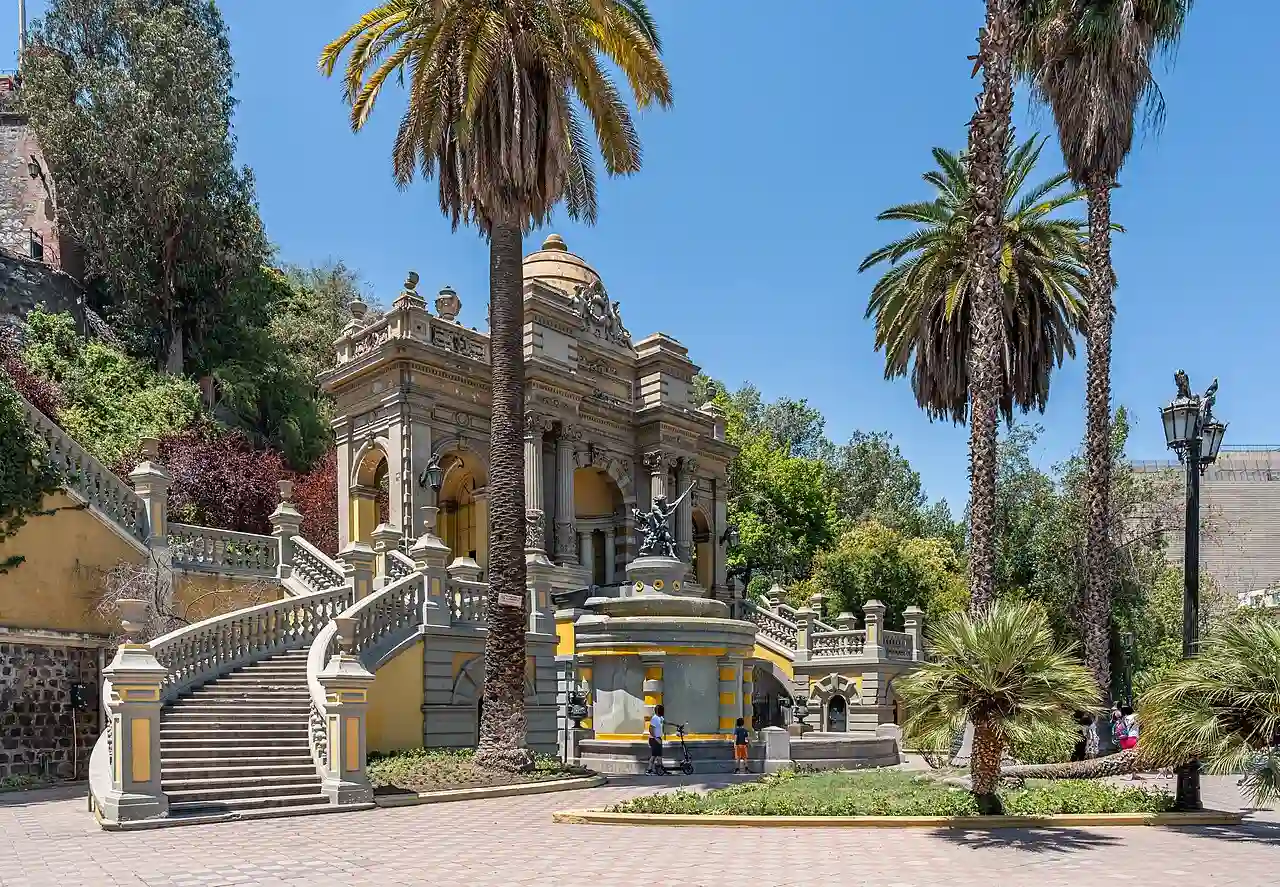
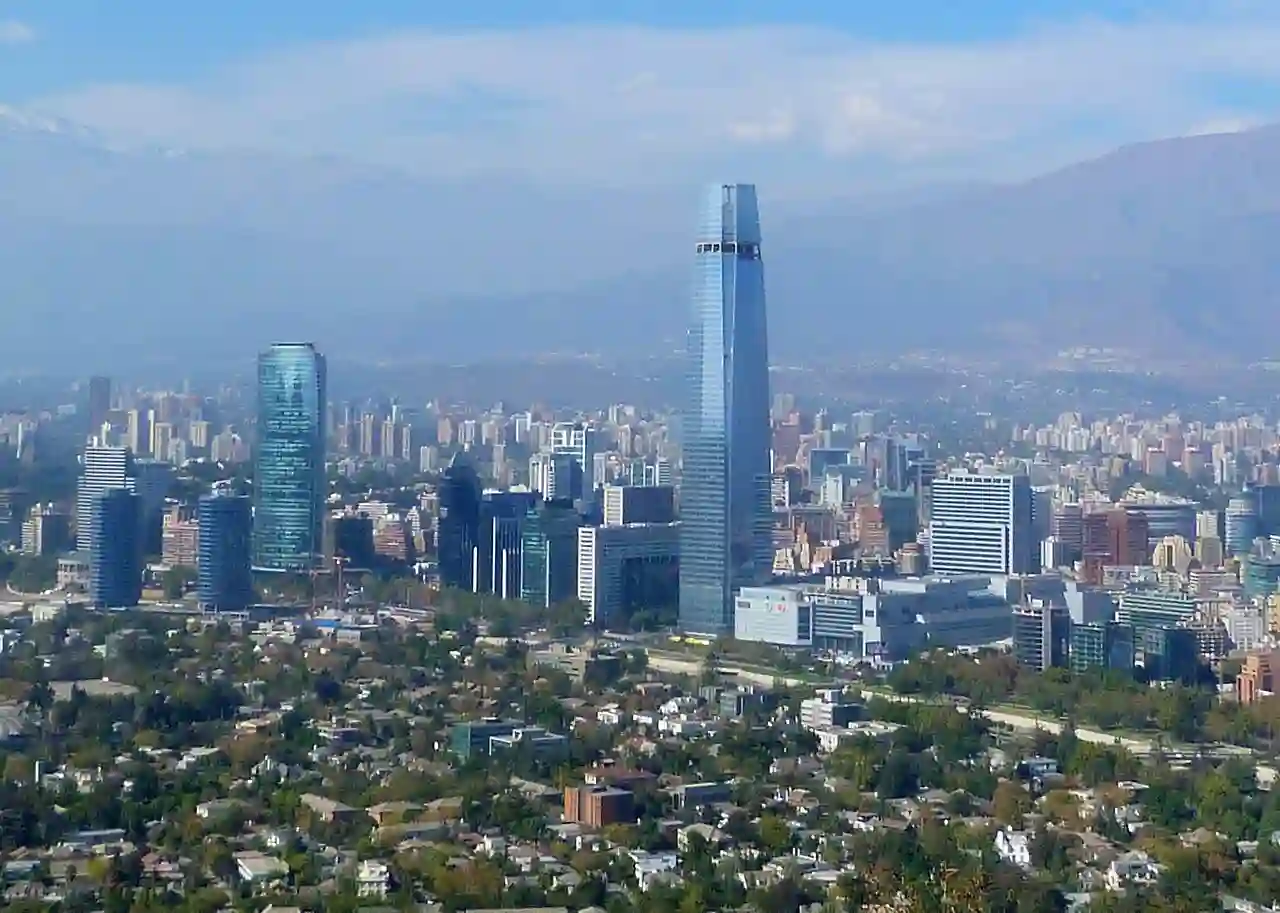
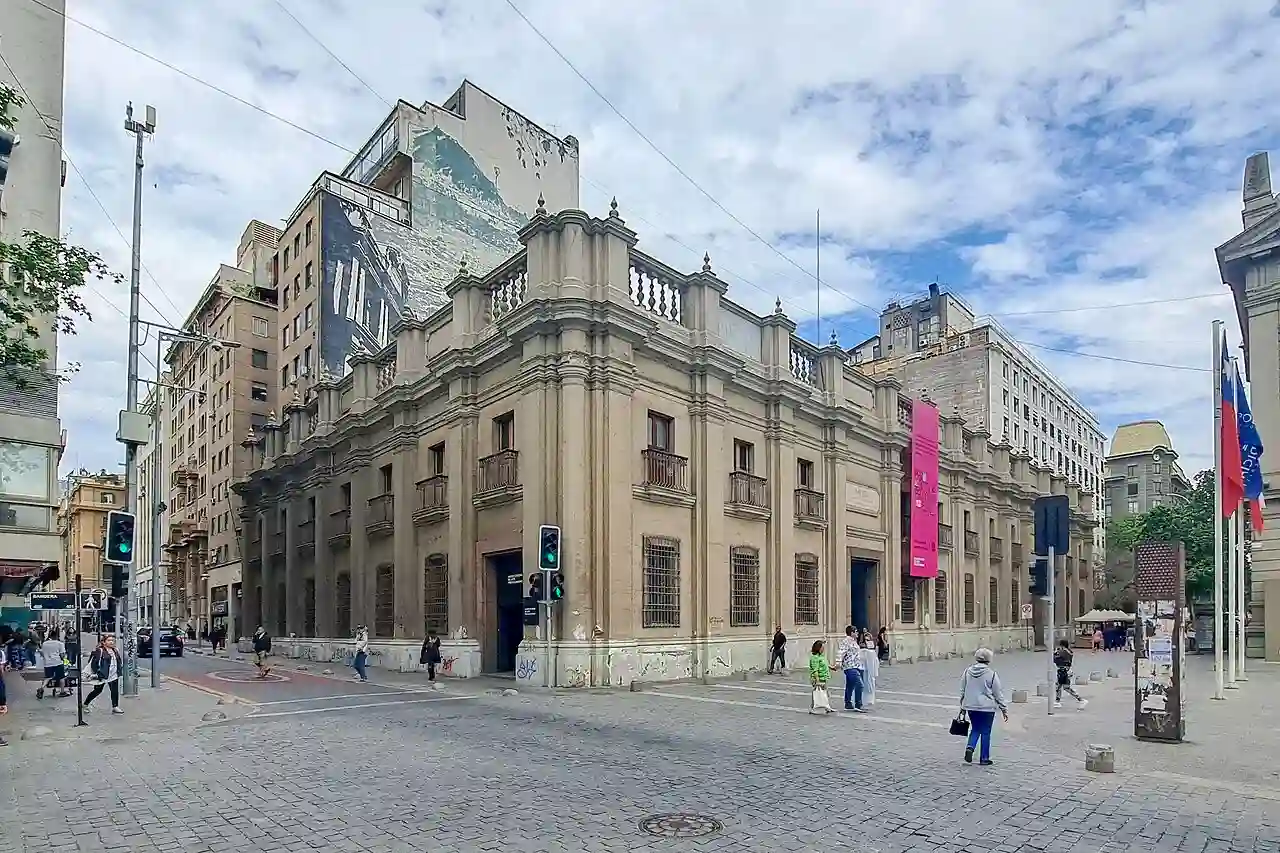
Capital of Chile founded in 1541, Santiago is a dynamic metropolis that harmoniously blends its rich colonial heritage with contemporary modernity. This ever-evolving city features a remarkable downtown area where neoclassical architecture, Art Deco influences, and neo-Gothic touches coexist. Crossed by the Mapocho River and punctuated by lush hills, the capital offers elegant relaxation spaces such as Parque Forestal. Sustained economic growth has transformed Santiago into a modern metropolis, equipped with theaters, fine dining restaurants, and shopping centers, crowned by Gran Torre Santiago, the tallest skyscraper in South America.
Geographical situation
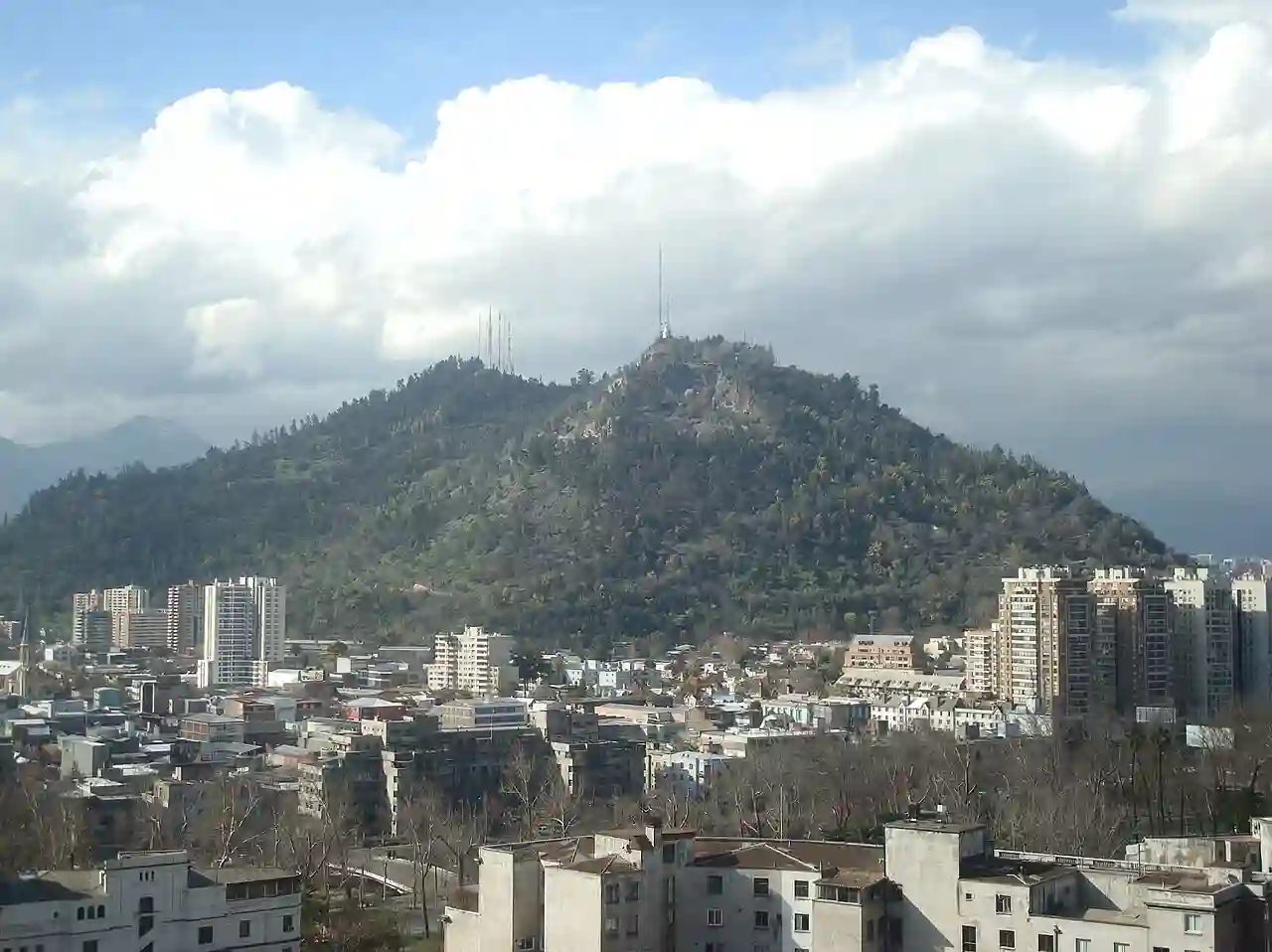
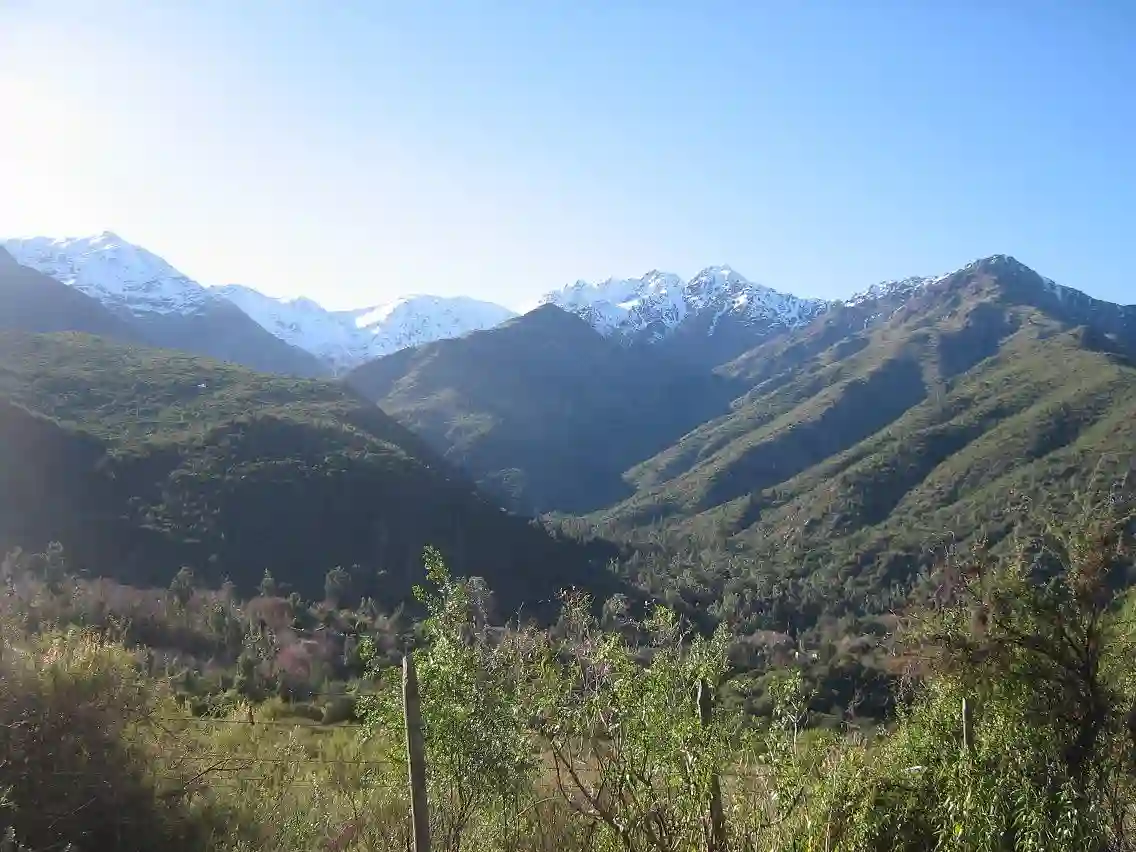
Nestled in the central valley of Chile, the capital benefits from an exceptional geographical setting. It is majestically framed by the Andes Mountains to the east, offering impressive panoramas visible from many points in the city, and by the Coastal Range to the west, which separates it from the Pacific Ocean. Located at an average altitude of 550 meters, it is approximately 85 kilometers from the Pacific coast, 115 kilometers east-southeast of Valparaíso, and 520 kilometers north-northeast of Concepción.
Atmosphere and character
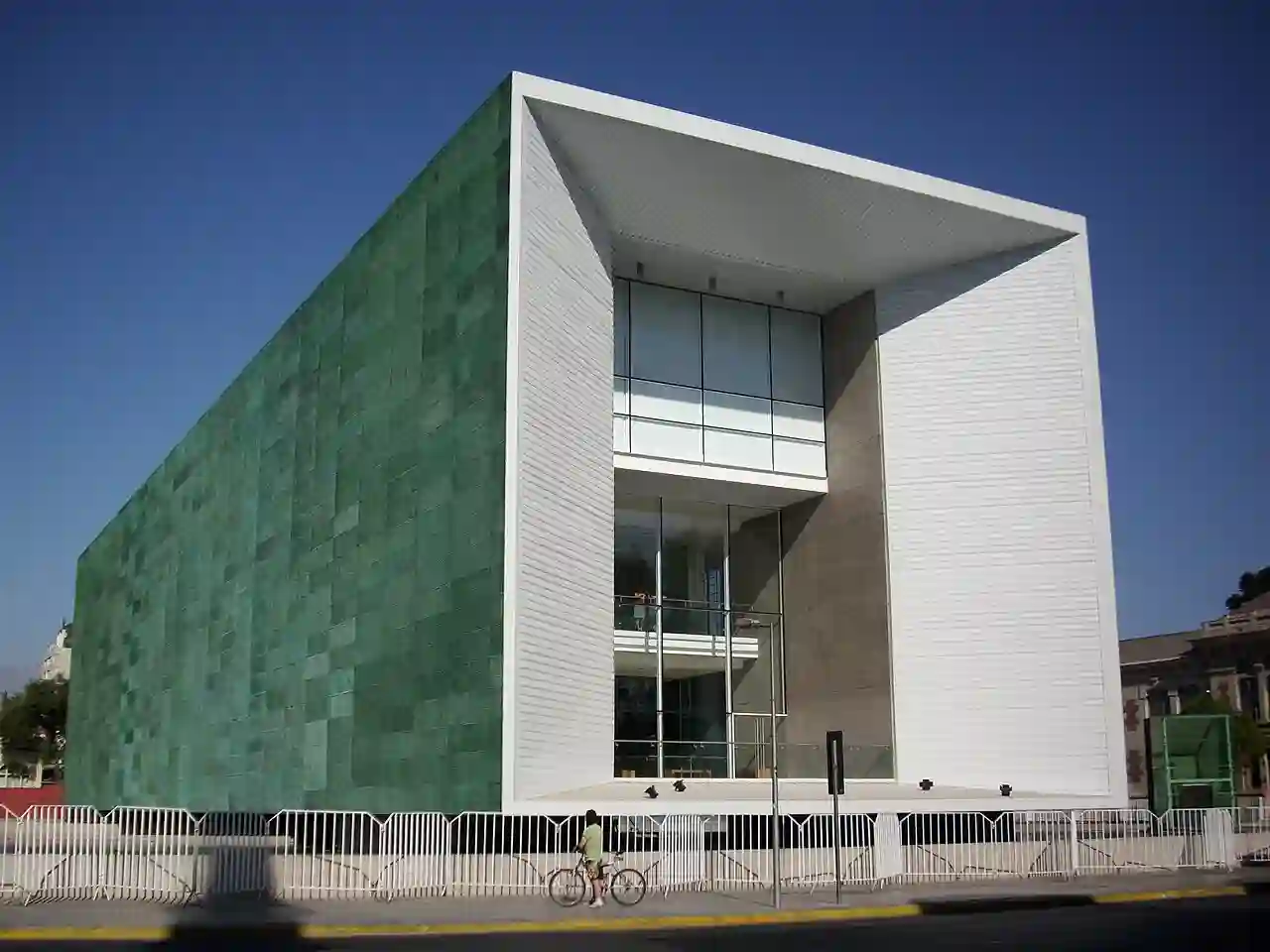
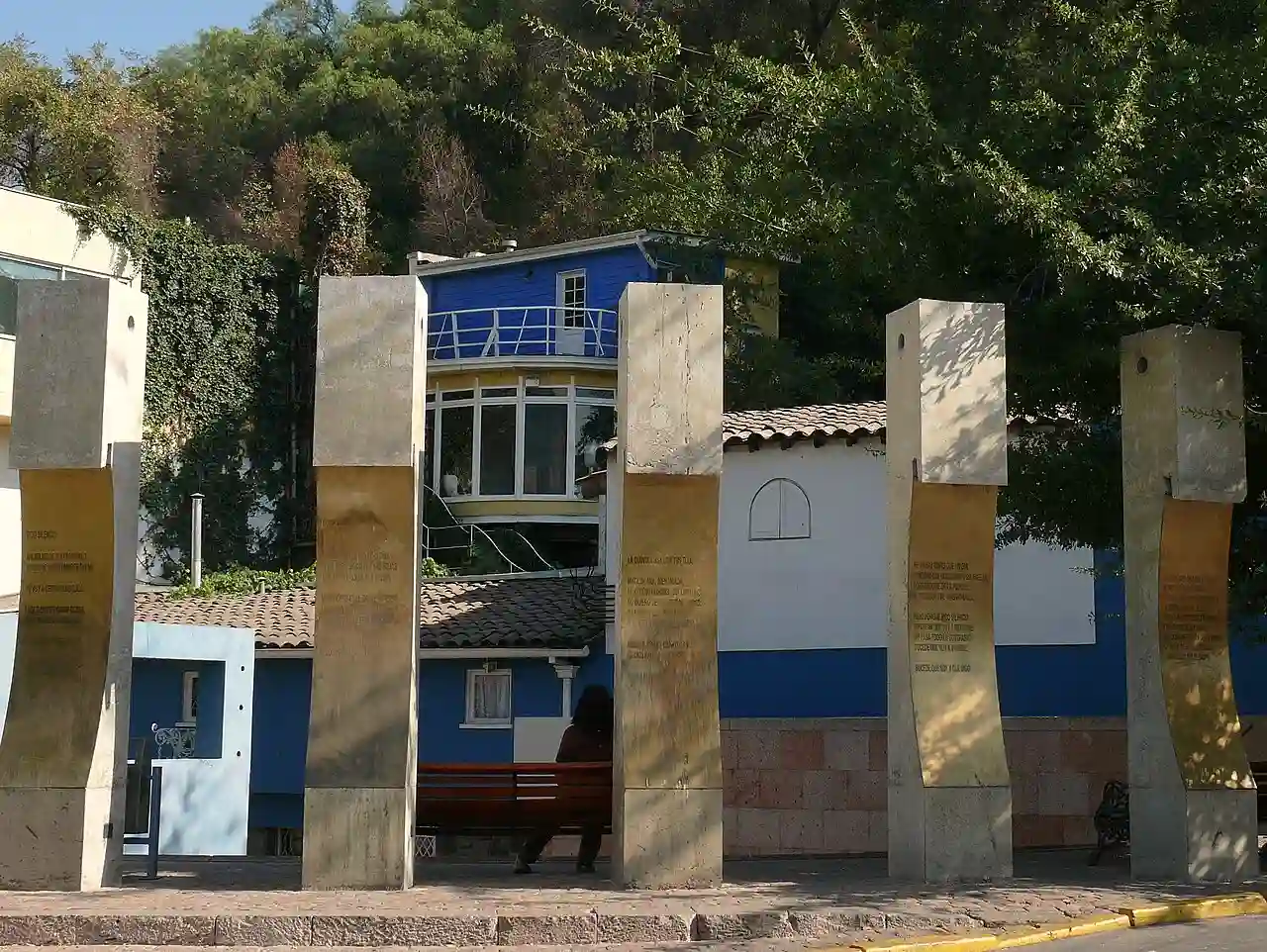
Santiago exudes a cosmopolitan and vibrant atmosphere, fueled by an exceptionally rich cultural life. The city is home to numerous museums, theaters, and regularly hosts cultural festivals. Some neighborhoods like Bellavista and Lastarria stand out for their authentic bohemian vibe, creative restaurants, and dynamic nightlife. As a major economic center of the country, the capital hosts many multinational companies and financial institutions, giving it a modern and international character.
Climate
The city enjoys a particularly pleasant Mediterranean climate, characterized by well-defined seasons. Summers, from December to February, are hot and dry with temperatures frequently exceeding 30°C. Winters, from June to August, remain mild with average temperatures around 10°C and are relatively rainy. Precipitation is mainly concentrated during the winter months, while summer generally remains dry.
Best season to visit
The ideal times to explore the capital are spring (September to November) and autumn (March to May). These intermediate seasons offer particularly pleasant temperatures and moderate tourist traffic, allowing full enjoyment of urban attractions. Summer corresponds to the high tourist season, with high temperatures and increased attendance. Winter, although cooler and rainier, can appeal to winter sports enthusiasts due to the proximity of the Andean resorts.
Access
Comodoro Arturo Merino Benítez International Airport (SCL) serves as the main gateway, located about 15 kilometers from downtown. It is well served by flights from Europe, North America, and other South American countries. Several transportation options allow access to the downtown area:
- Official taxis
- Transvip shared shuttles
- Car rentals
Internal transport
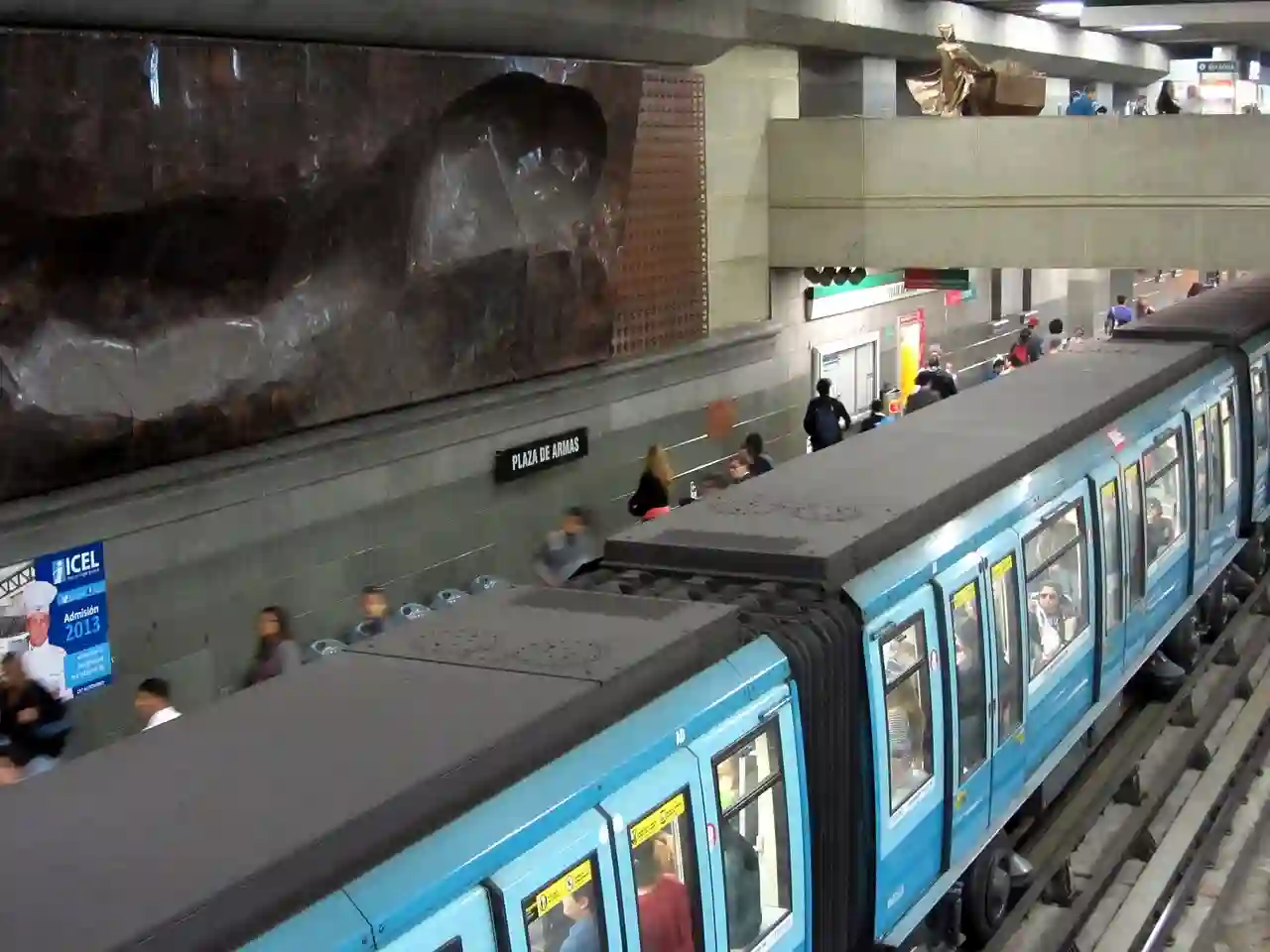
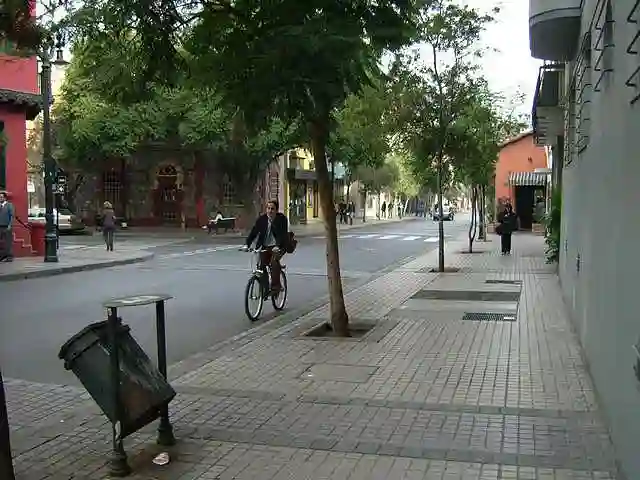
The capital has a modern and particularly efficient public transportation network. The subway, with its seven lines covering most of the city, is the fastest way to get around. Urban buses, integrated into the public transport system, perfectly complement the network by serving areas not covered by the subway. The Bip! card greatly facilitates transfers between the different modes of transport. Taxis and ridesharing services like Uber and Cabify are widely available. For those who enjoy soft mobility, a developing network of bike lanes makes cycling increasingly safe and pleasant.
Top 50
Wikipedia
Viator activities
Tiqets activities
Top 50
Reviews
Log in for free to add a review and discover others'.