


São Paulo
General presentation
Top 50
History, culture & traditions
Travel advice
Wikipedia
Viator activities
Tiqets activities
Global presentation
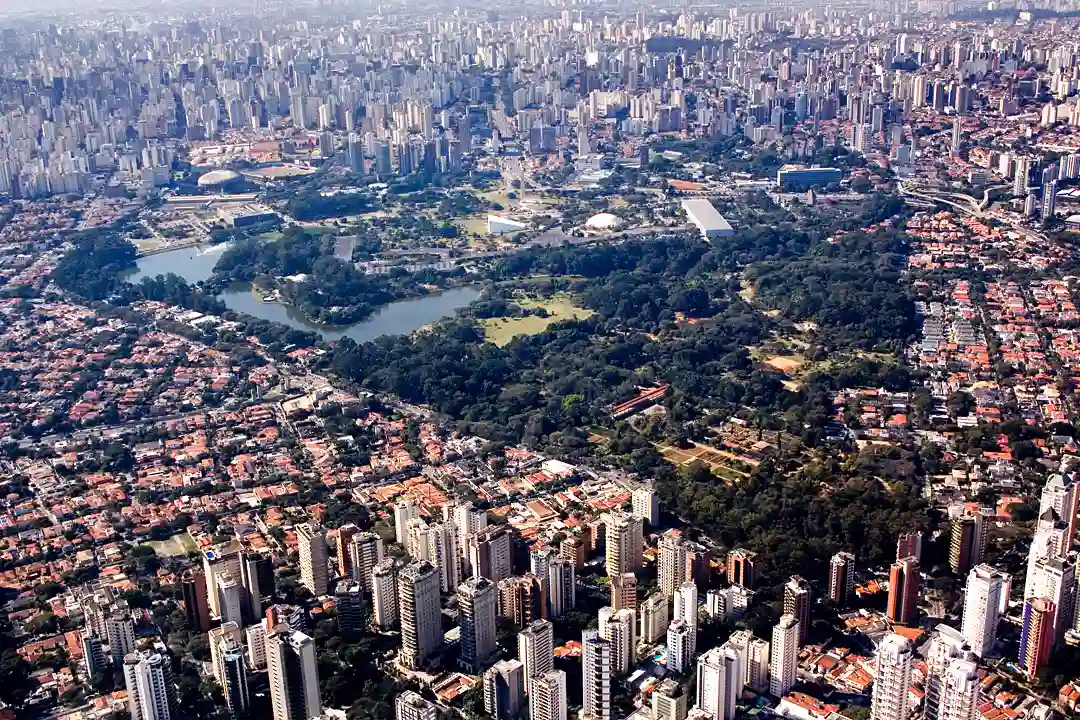
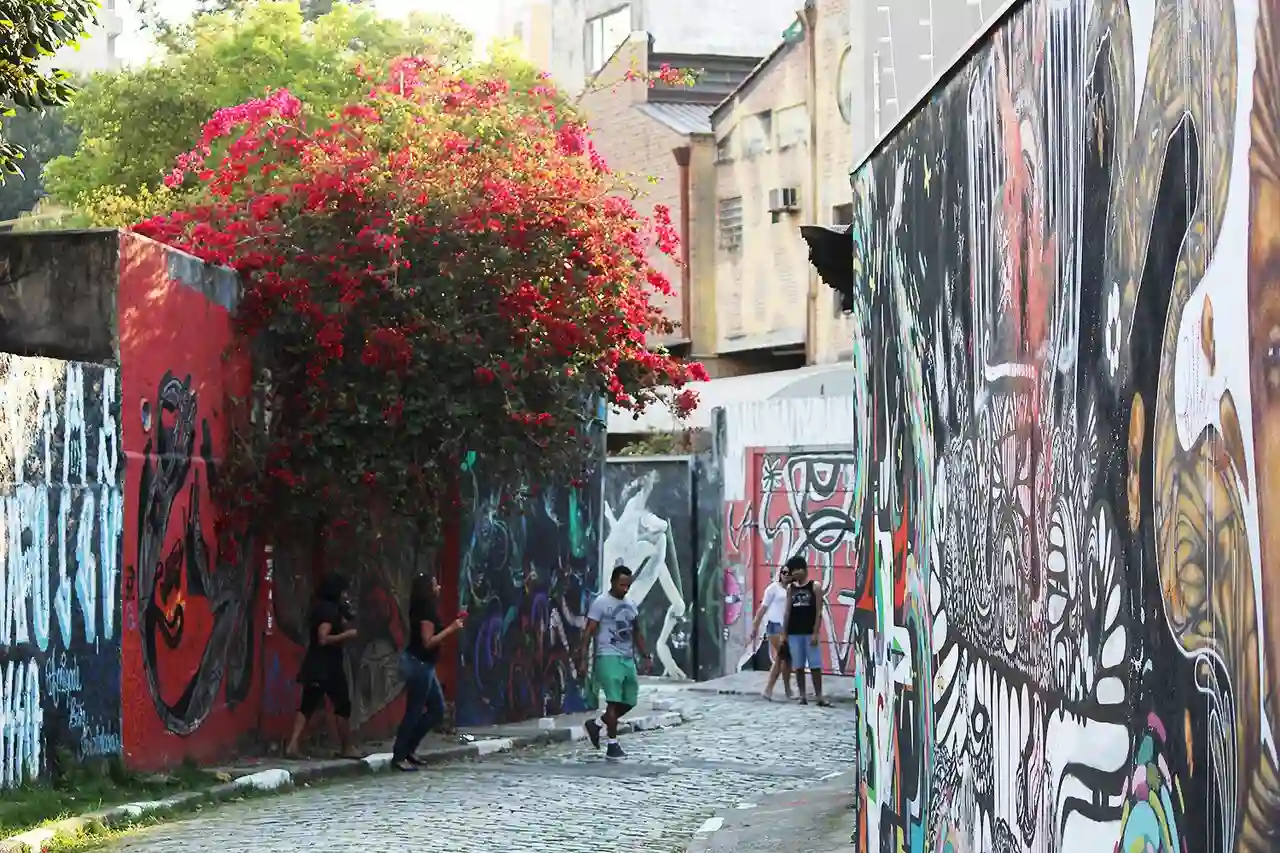
True South American giant, São Paulo stands out as the largest metropolis on the continent with its 12 million inhabitants. Founded in 1554 by Jesuit missionaries, it has evolved to become Brazil's economic powerhouse, concentrating the country's main financial, commercial, and industrial activities. This megalopolis is distinguished by its extraordinary cultural diversity, inherited from successive waves of Italian, Japanese, Lebanese, and Portuguese immigration. This multicultural richness is now reflected in exceptional gastronomy, cosmopolitan neighborhoods, and a particularly dynamic artistic scene.
Geographical location
The capital of the State of São Paulo extends over a vast plateau at an altitude of 760 meters, about 65 kilometers from the Atlantic Ocean. Crossed by the Tietê and Pinheiros rivers that flow into the Rio Paraná, the city occupies a strategic position in southeastern Brazil. It is located 400 kilometers west-southwest of Rio de Janeiro and 1,000 kilometers south of the federal capital Brasília.
Ambiance and character
Nicknamed "the city that never sleeps," São Paulo vibrates with constant energy and a frantic pace. This bustling metropolis fascinates with its contrasts: legendary traffic jams and an incessant ballet of helicopters in the sky, electrifying nightlife and a thriving cultural scene. The intense urban atmosphere attracts a young and dynamic population, creating a unique cosmopolitan vibe where traditions and modernity blend together.
Climate
The humid subtropical climate offers well-defined seasons. Summers, from December to February, are characterized by temperatures around 22°C, high humidity, and frequent rainfall. Winters, from June to August, bring relative mildness with temperatures ranging between 13°C and 22°C, accompanied by drier weather. However, the weather can surprise with unpredictable variations: cool days in the middle of summer or mild temperatures in winter.
Best season to visit
The ideal period extends from March to May, offering the most pleasant conditions to discover the city. These austral autumn months benefit from mild temperatures, reduced rainfall, and lower tourist attendance, allowing for full enjoyment of the many attractions in optimal conditions.
Access
Two main airports serve the metropolis:
- São Paulo-Guarulhos International Airport (GRU): main international hub located 25 kilometers from downtown
- Congonhas Airport (CGH): closer to the center, primarily dedicated to domestic flights
A vast road network also connects the city to major Brazilian destinations, facilitating arrivals by land.
Internal transport
The public transport system combines several modes of transportation:
- Metro: efficient network but often crowded during peak hours
- Buses: extensive network but complex for outsiders
- Taxis and ridesharing apps: practical solutions, particularly recommended in the evening
The Bilhete Único, a rechargeable transport card, allows the use of all means of transport with integrated fares. It is advisable to avoid traveling during peak hours to escape monumental traffic jams and congestion in public transport.
Top 50
Wikipedia
Viator activities
Tiqets activities
Top 50
Reviews
Log in for free to add a review and discover others'.