

Salvador de Bahia
General presentation
Top 50
History, culture & traditions
Travel advice
Wikipedia
Viator activities
Tiqets activities
Global presentation
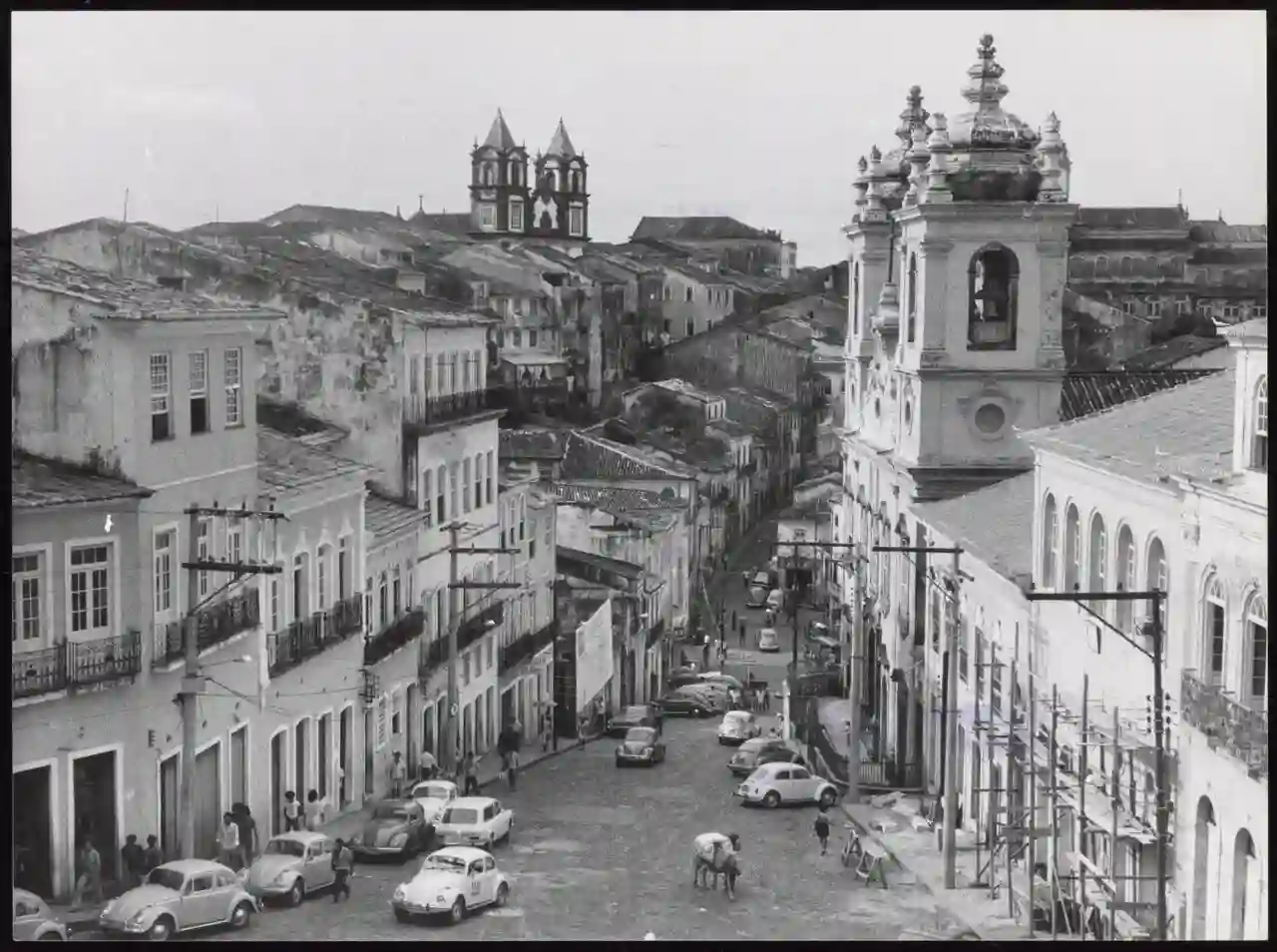
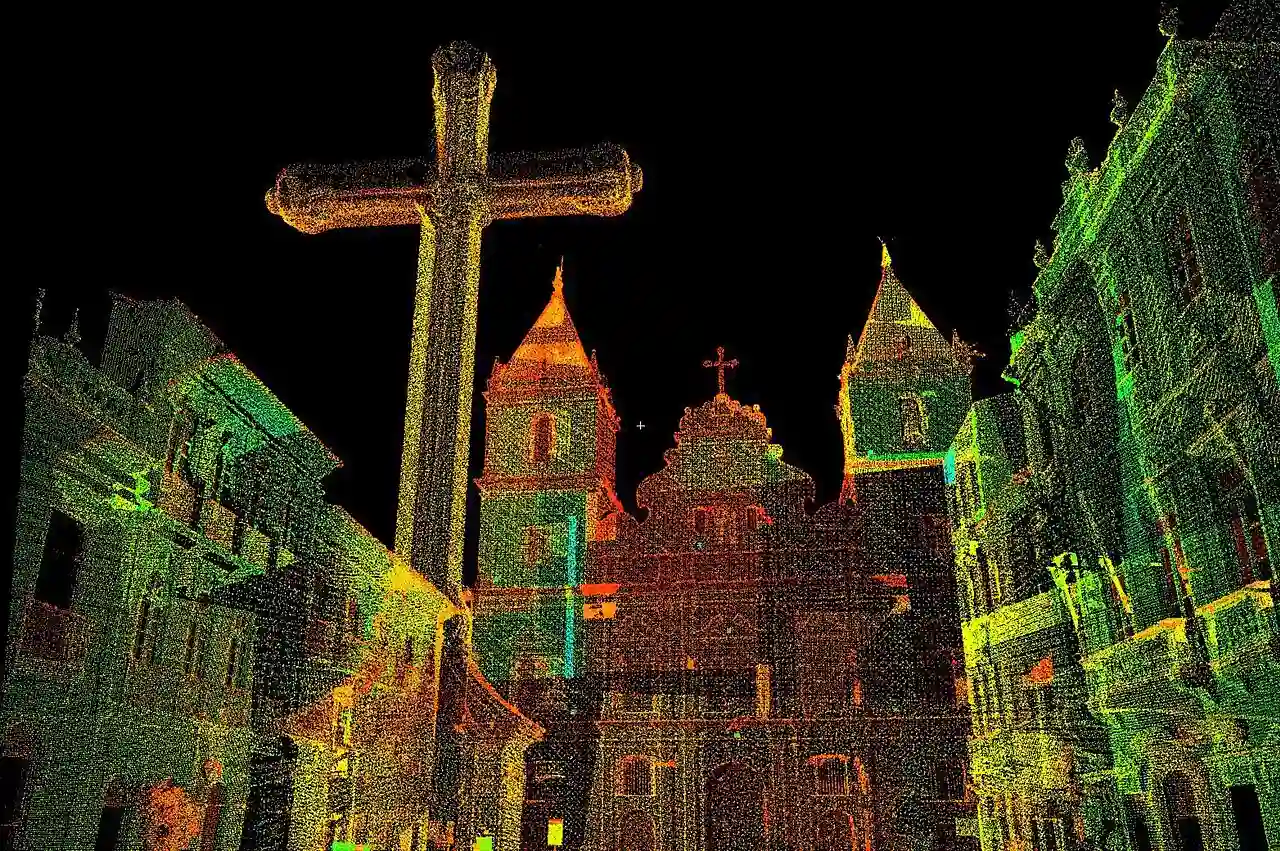
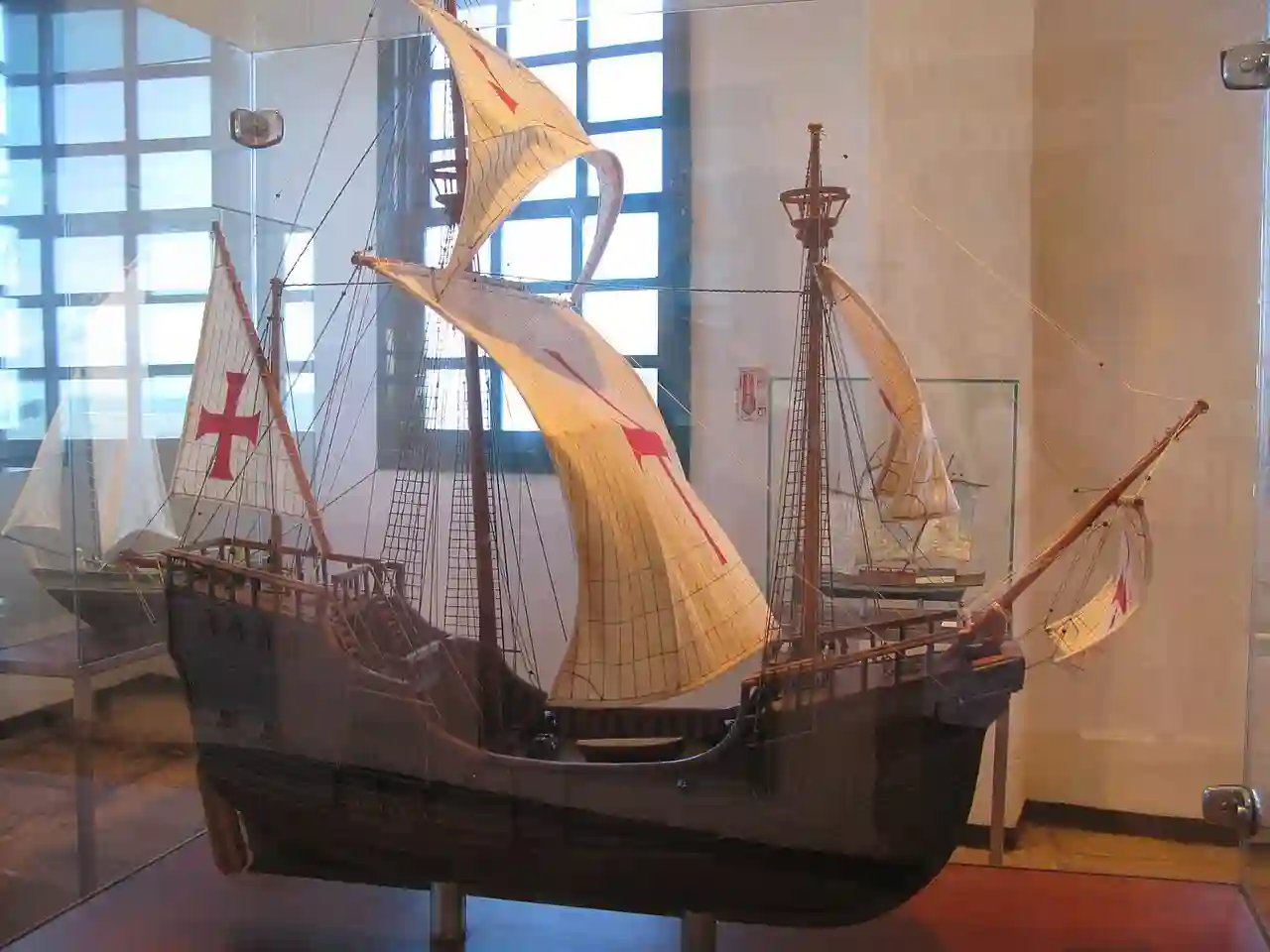
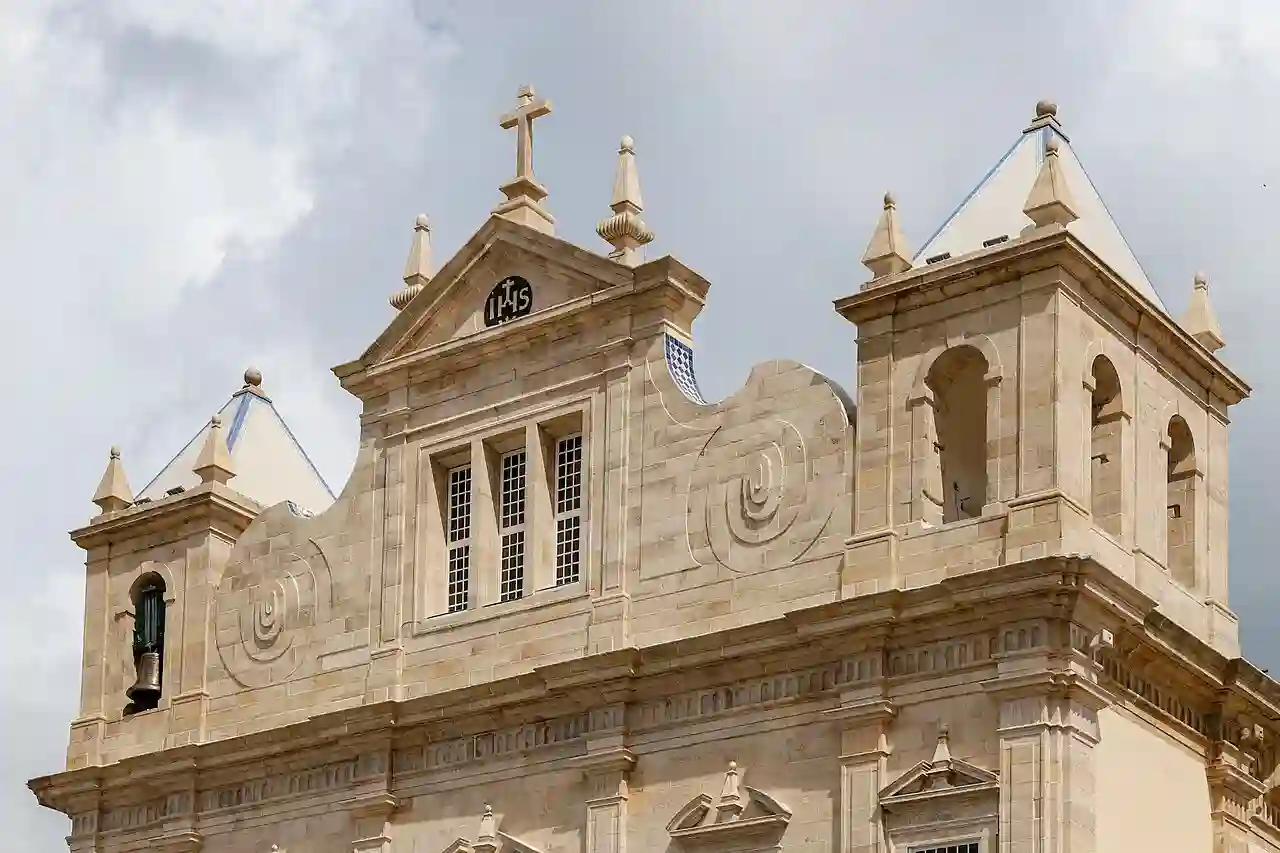
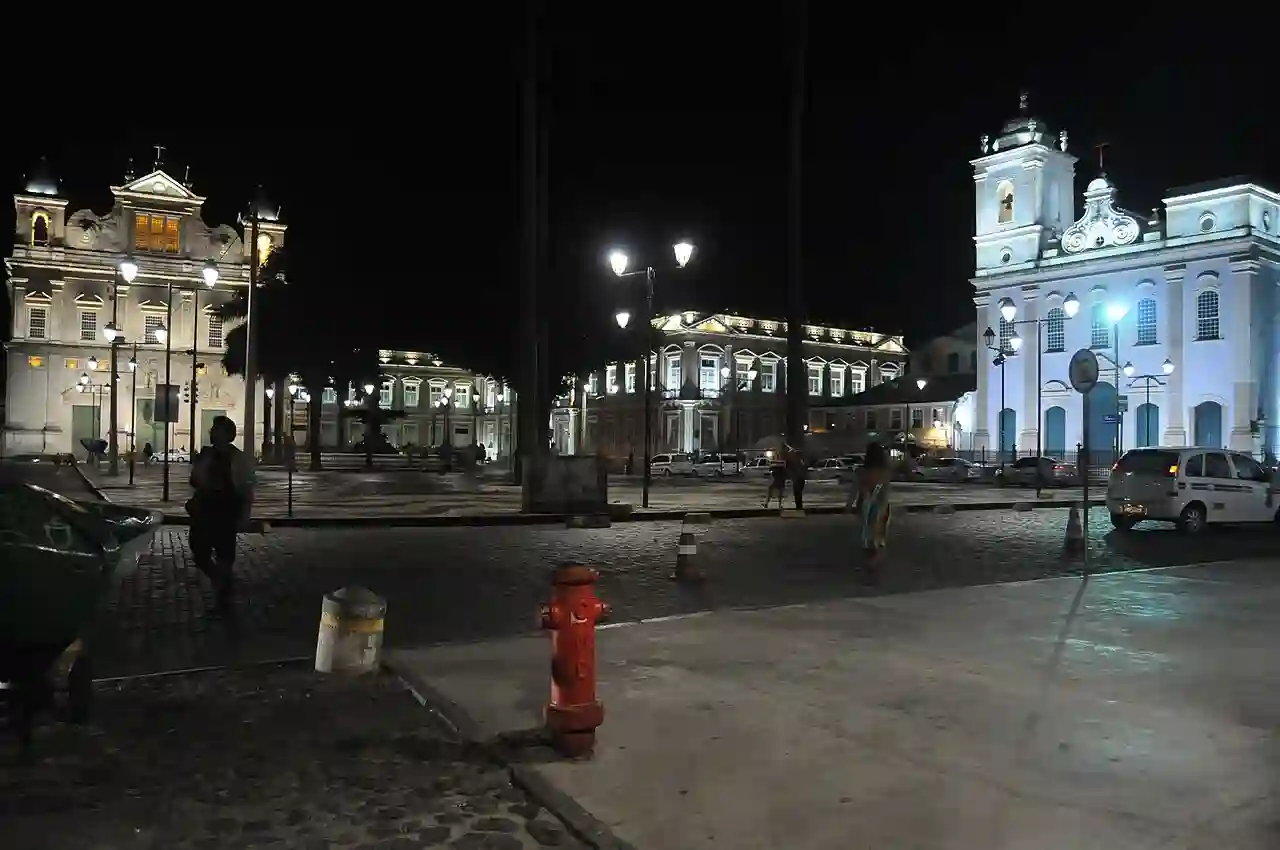
Former capital of Brazil founded in 1549, this metropolis of nearly 3 million inhabitants remains one of the cultural gems of the country. The fourth most populous city in Brazilian territory, it stands out for its extraordinary historical heritage, including the colonial center of Pelourinho, classified as a UNESCO World Heritage site. Beyond its architectural treasures, the city shines with its authentic Afro-Brazilian culture, refined gastronomy, and legendary festivities, notably its carnival recognized as one of the most grandiose in the world.
Geographical situation
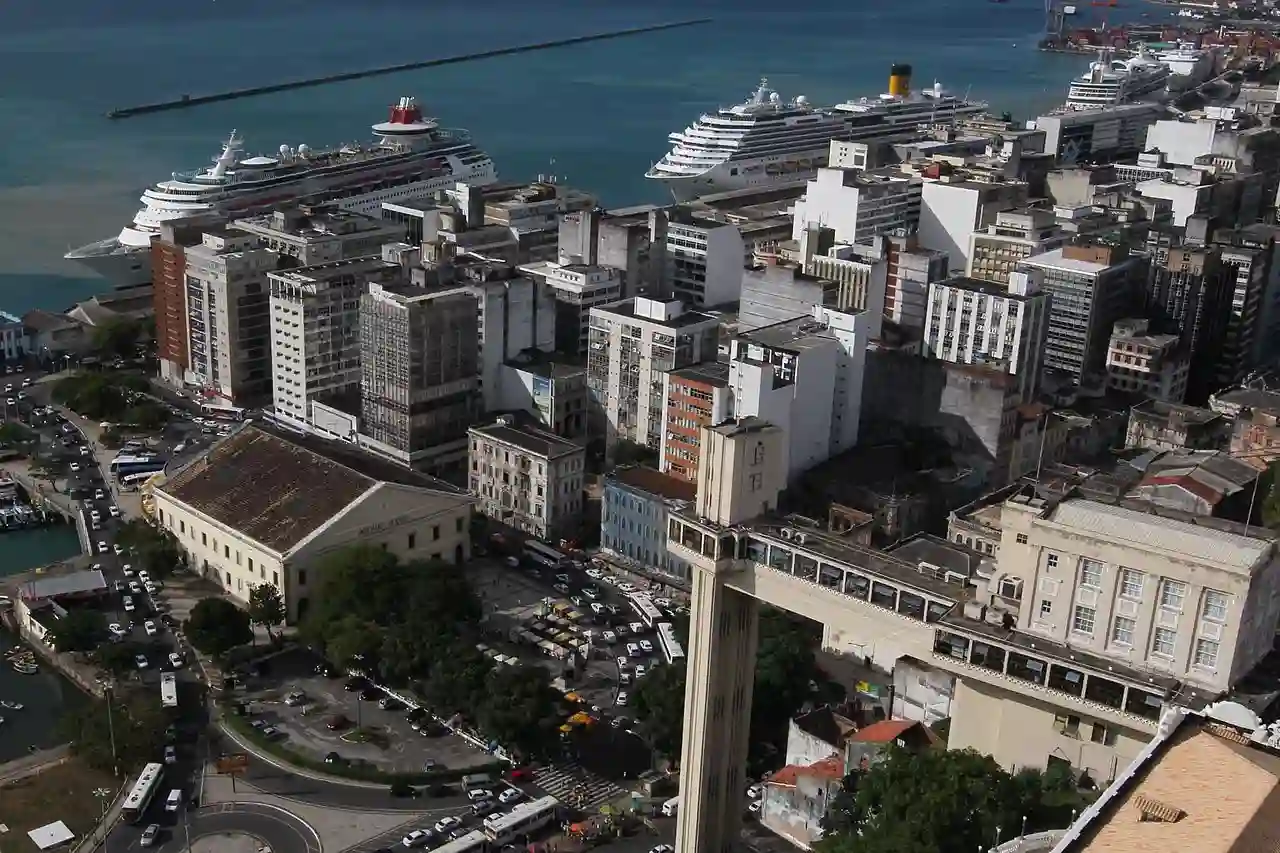
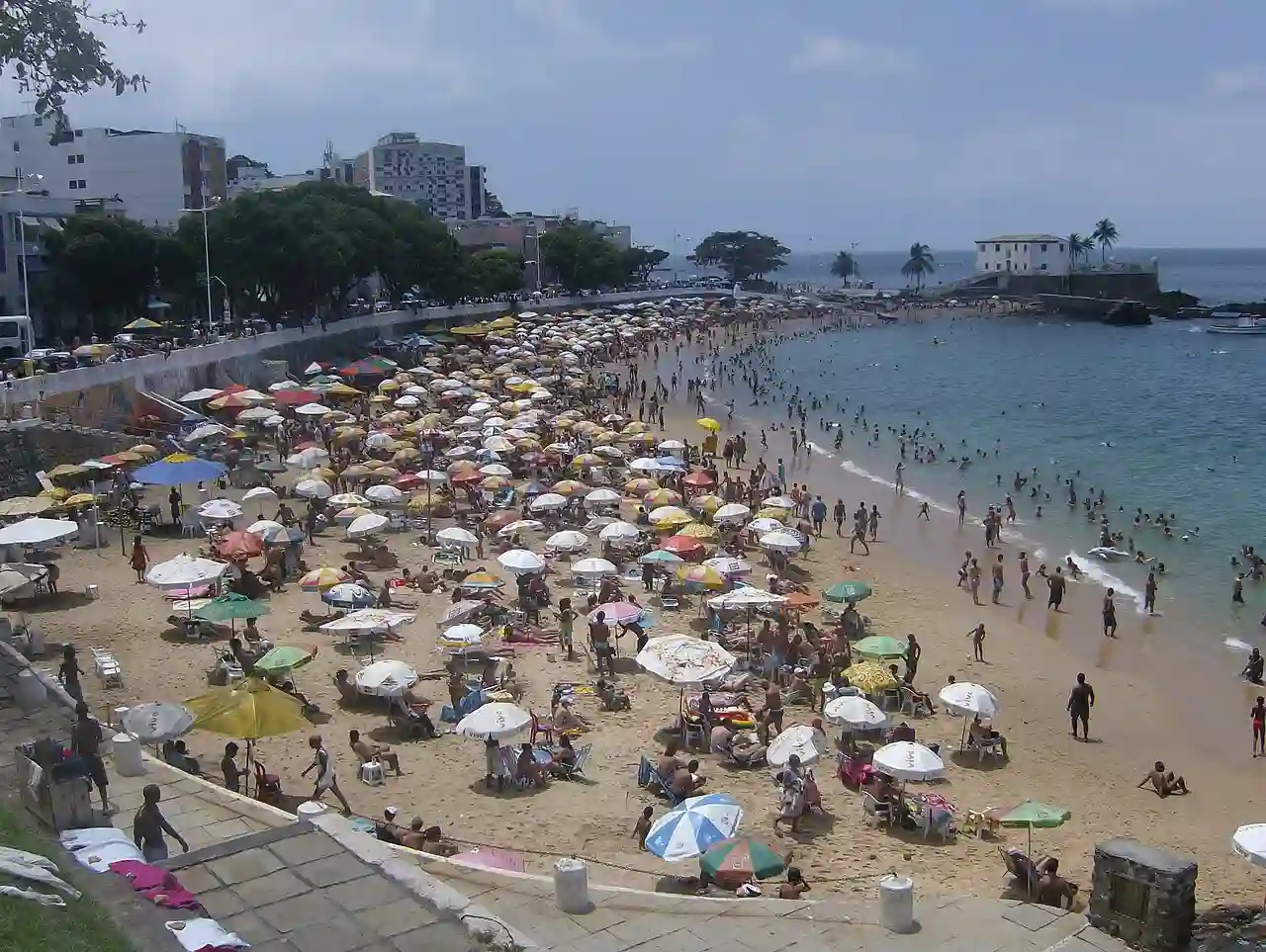
Situated on a strategic peninsula between the majestic Bay of All Saints and the Atlantic Ocean, the city occupies a privileged position in northeastern Brazil. This exceptional geographical configuration offers it an extensive coastline dotted with beautiful beaches. Urban planning is characterized by a natural division into two levels: the upper city (Cidade Alta) perched on the heights, and the lower city (Cidade Baixa) at sea level, connected by the iconic Elevador Lacerda, a historic elevator in operation since 1873.
Atmosphere and character
The atmosphere here reflects a unique cultural blend where African, European, and indigenous influences harmoniously intertwine. This multicultural richness permeates every aspect of local life: music, dance, spirituality, and culinary arts. In the cobblestone alleys of Pelourinho, the colorful facades resonate with the enchanting rhythms of samba and capoeira, creating a warm and vibrant ambiance that instantly captivates visitors.
Climate
The humid tropical climate ensures a constant mildness with temperatures ranging between 25°C and 30°C throughout the year. The rainy season stretches from April to August, peaking in May, while the dry season runs from September to March. Even during the rainy months, the sun regularly makes an appearance, and the ocean temperature remains ideal around 26°C, allowing for swimming in any season.
Best season to visit
The optimal period extends from September to March, coinciding with the dry season. These months offer perfect conditions for exploring tourist sites and fully enjoying the beaches. Festival lovers should not miss the carnival that takes place in February or March, an unmissable event to discover the festive and cultural soul of the destination.
Access
Deputado Luís Eduardo Magalhães International Airport, located 28 km north of downtown, is the main gateway with its national and international connections. Travelers can also reach the city by bus from major Brazilian metropolises such as Rio de Janeiro, São Paulo, or Brasília. For a maritime approach, many Atlantic cruises stop at this historic port.
Internal transportation
Urban mobility revolves around several solutions:
- Public buses: an extensive and economical network covering the entire city
- Metro: two modern lines connecting the historic center to the airport and major neighborhoods
- Taxis: a large fleet of 7,000 vehicles available 24/7
- Transportation apps: services like Uber widely adopted
It is advisable to plan your movements while avoiding morning rush hours and late afternoon hours, periods when traffic can be particularly dense.
Top 50
Wikipedia
Viator activities
Tiqets activities
Top 50
Reviews
Log in for free to add a review and discover others'.