








Rio de Janeiro
General presentation
Top 50
History, culture & traditions
Travel advice
Wikipedia
Viator activities
Tiqets activities
Global presentation
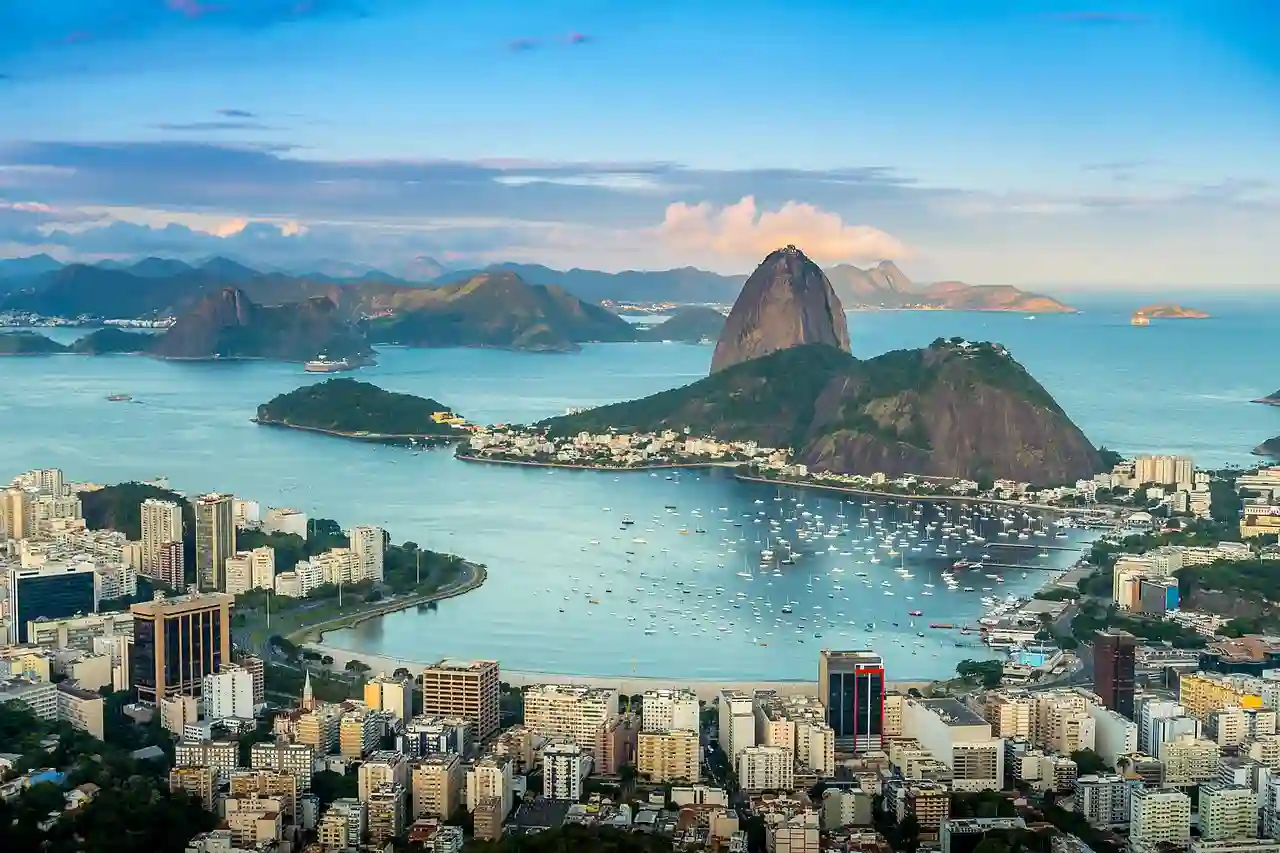
Nicknamed the "Cidade Maravilhosa" (Marvelous City), Rio de Janeiro is the second largest city in Brazil after São Paulo. This iconic metropolis attracts millions of visitors each year thanks to its legendary beaches like Copacabana and Ipanema, and its world-famous sites such as Christ the Redeemer and Sugarloaf Mountain. Rio embodies the festive spirit and exceptional natural beauty of Brazil.
Geographical situation
Located on the Atlantic coast of southeastern Brazil, the city covers about 1,256 km² in an exceptional geographical setting. Bordered by the Atlantic Ocean and Guanabara Bay, it offers a unique landscape characterized by the harmony between mountains, hills, and beaches. Corcovado, rising to 704 meters and crowned by the majestic statue of Christ the Redeemer, majestically overlooks the urban area.
Atmosphere and character
Rio de Janeiro is synonymous with a zest for life and perpetual dynamism. The city vibrates to the rhythm of samba and ignites during its world-renowned carnival. The locals, called Cariocas, are famous for their warm hospitality and contagious passion for festivities and football. This unique atmosphere blends beach relaxation, cultural vibrancy, and Brazilian friendliness.
Climate
The tropical climate prevails in the region with average annual temperatures hovering around 24°C. The city experiences two distinct seasons: summer from December to March, a hot and humid period, and winter from June to September, cooler and drier. This constant mild climate allows for outdoor activities throughout the year.
Best season to visit
The optimal period extends from May to October, when the weather is drier and the temperatures particularly pleasant. These months offer an ideal balance between favorable weather conditions and moderate tourist crowds, allowing for discovering the city in the best conditions.
Access
The destination is served by two main airports:
- Galeão International Airport: handles international and domestic flights
- Santos-Dumont Airport: mainly dedicated to domestic connections
Internal transport
The city has a diverse and efficient public transport network:
- Metro: three lines offering a quick means of transportation
- Tramway: picturesque lines complementing the network
- Bus: extensive coverage of the urban area
- Taxi: easily recognizable by their yellow livery with a blue stripe, widely available throughout the city
Top 50
Wikipedia
Viator activities
Tiqets activities
Top 50
Reviews
Log in for free to add a review and discover others'.