

Buenos Aires
General presentation
Top 50
History, culture & traditions
Travel advice
Wikipedia
Viator activities
Tiqets activities
Overall presentation
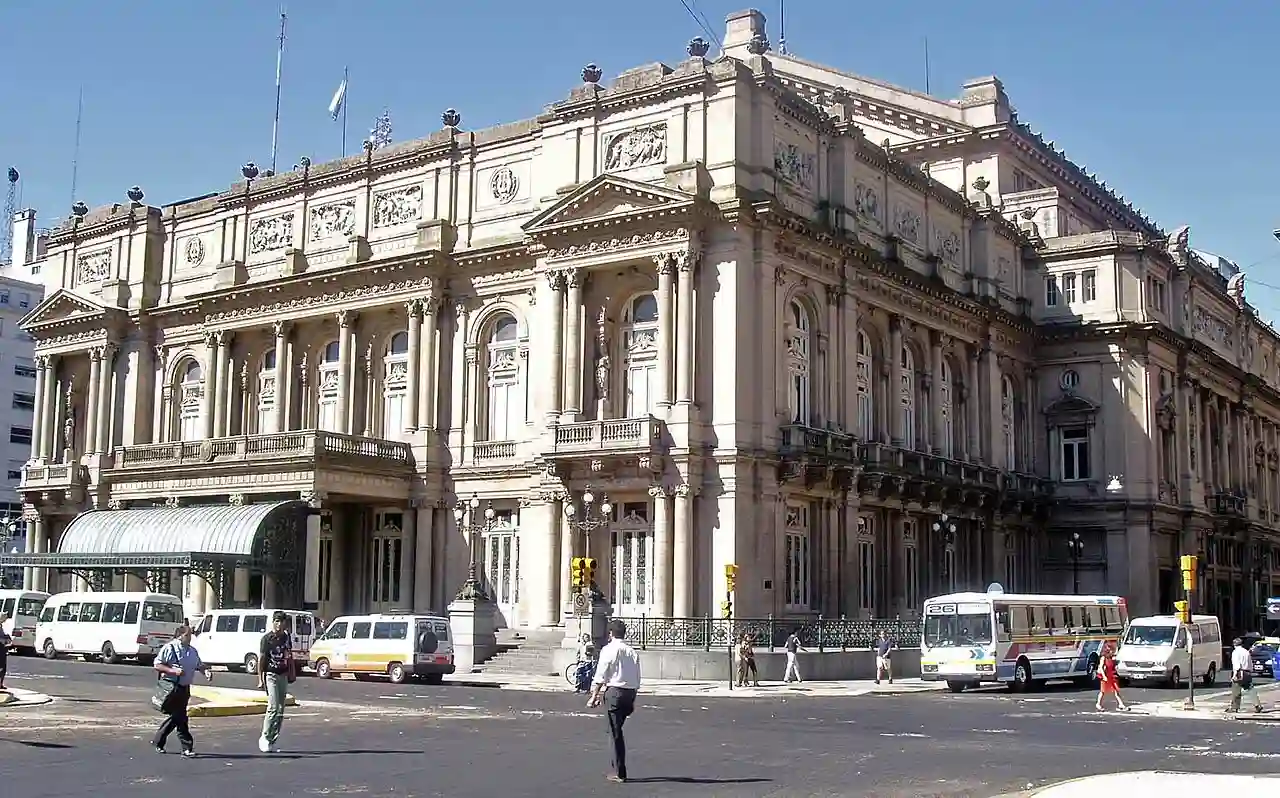
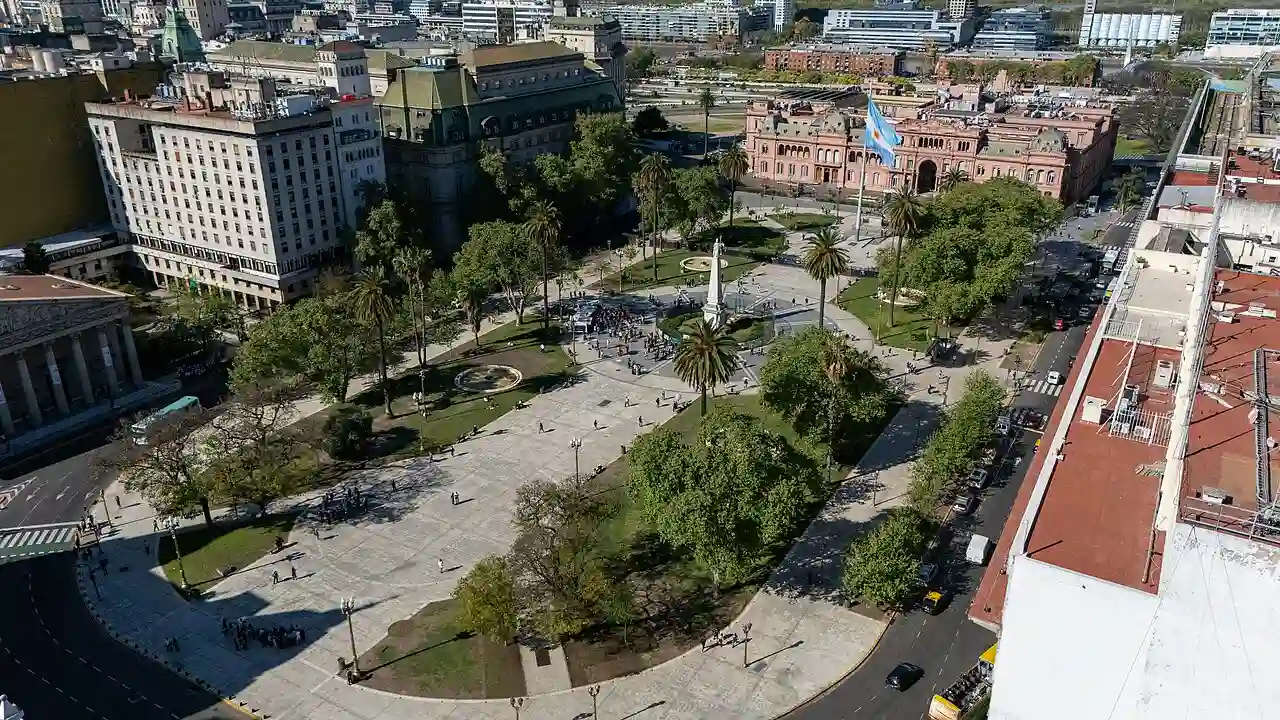
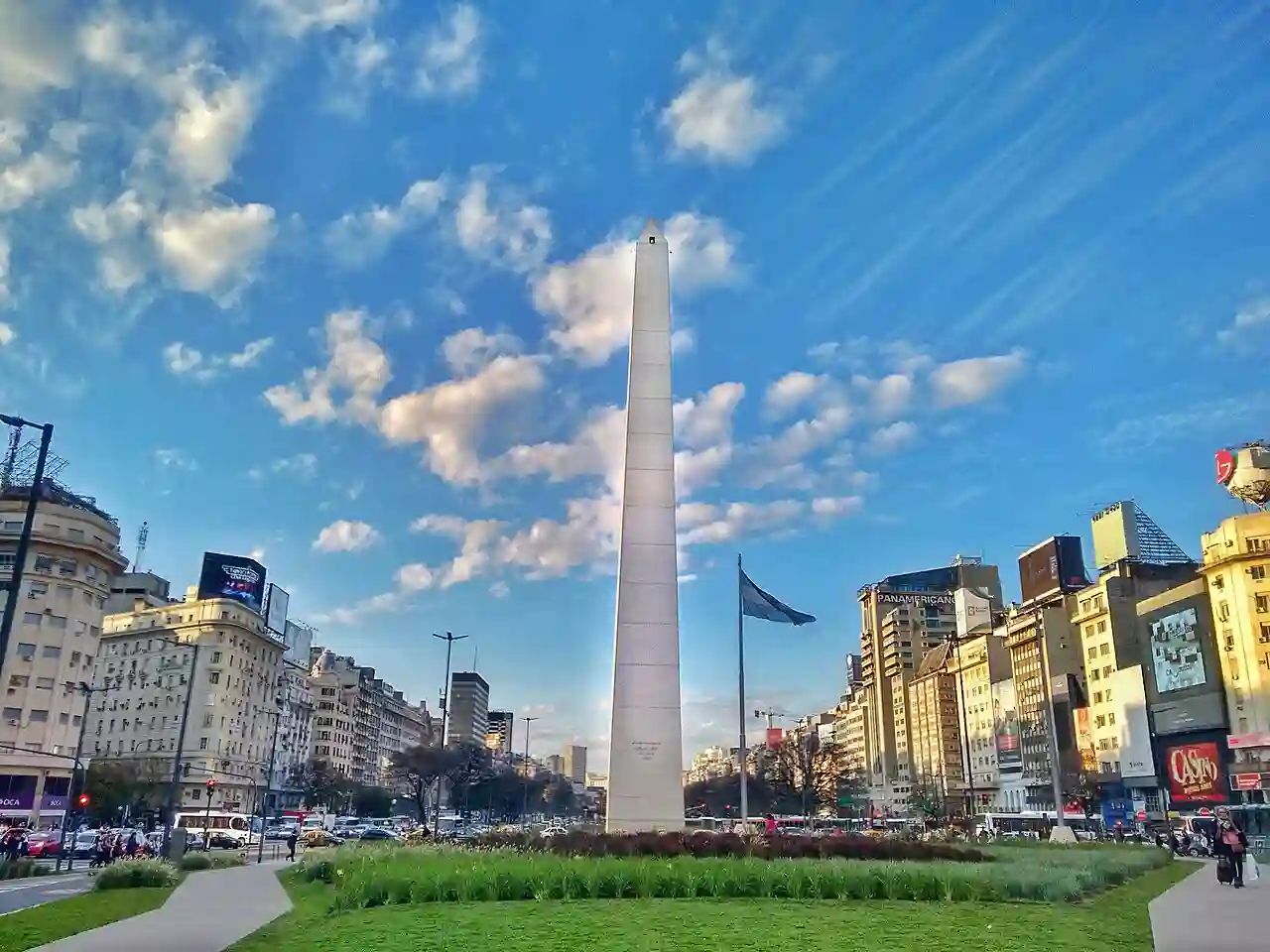
Buenos Aires, the capital of Argentina, is a dynamic metropolis that combines European elegance with Latin American passion. Nicknamed the "Paris of South America", it stands out for its varied architecture, exceptionally rich cultural scene, and legendary nightlife. The birthplace of tango, this cosmopolitan city offers a multitude of museums, theaters, and historic cafés that bear witness to its rich artistic and cultural heritage.
Geographical situation
The Argentine capital extends along the west bank of the Río de la Plata, in the vast Pampas plain. It is bordered to the northeast by the river, to the west by the Pampas land, and to the south by the eponymous province. The city is located about 150 kilometers from the Atlantic Ocean, thus benefiting from a strategic position between land and sea.
Ambiance and character
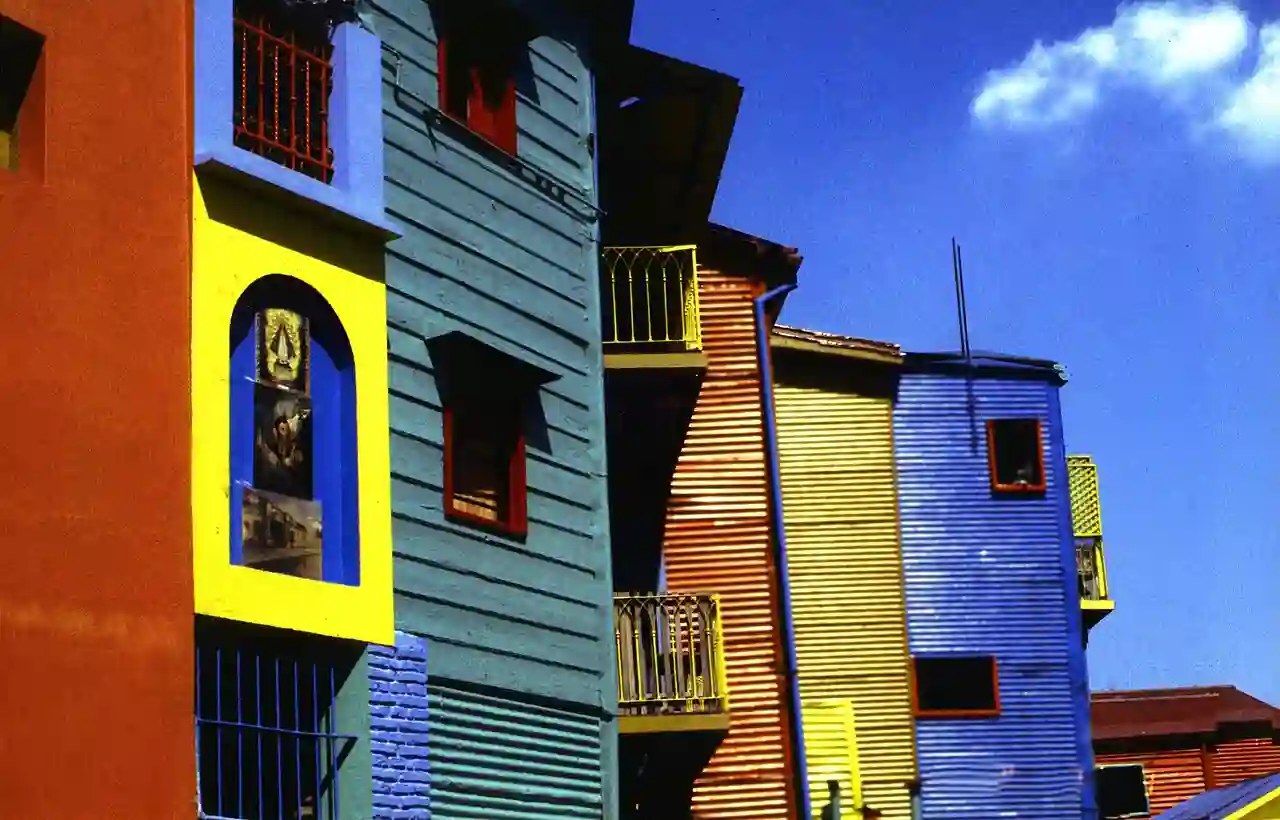
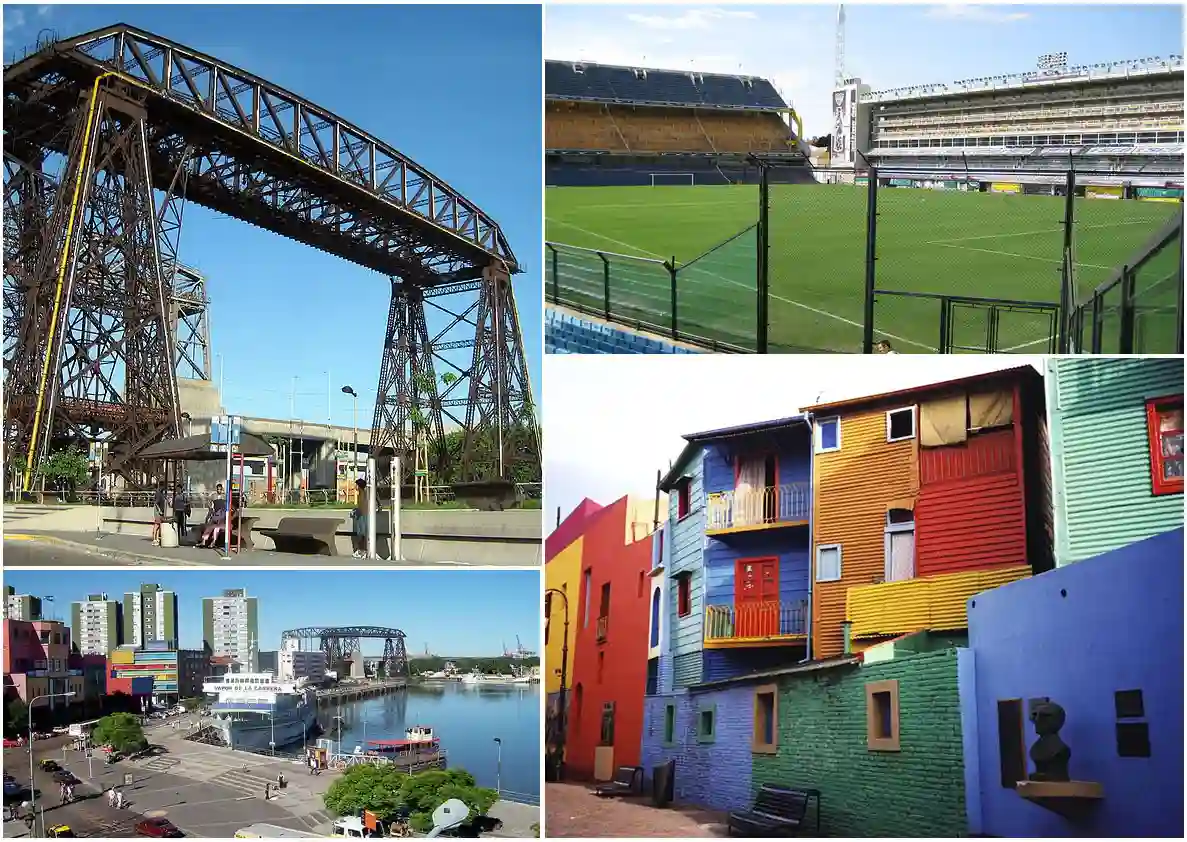
This cosmopolitan metropolis offers a clever blend of tradition and modernity. Each neighborhood has its own personality: San Telmo charms with its cobbled streets and antique markets, while Palermo captivates with its trendy shops and green spaces. The passion for tango permeates the urban atmosphere, with numerous milongas and street performances enlivening the districts. The intense nightlife, with its bars, restaurants, and clubs open until the early hours of the morning, contributes to the unique identity of this capital.
Climate
The city enjoys a humid subtropical climate characterized by distinct seasons. Winters, from June to September, are mild with average temperatures around 11°C, although the mercury can drop to 0°C in July. Summers, from December to March, are hot and humid, with average temperatures nearing 24°C in January. Precipitation is spread throughout the year for an annual average of 916.9 millimeters.
Best season to visit
Spring, from September to November, is the ideal time to discover the capital. Pleasant temperatures, the spectacular blooming of jacarandas that adorn the streets in purple, and moderate tourist traffic create optimal conditions. This season also coincides with numerous festivals and cultural events that enrich the visiting experience.
Access
Two main airports serve the city:
- Ministro Pistarini International Airport (Ezeiza): located 35 kilometers south of the city center, it handles the majority of international flights
- Jorge Newbery Airport (Aeroparque): located only 4 kilometers from the center, it is primarily dedicated to domestic and regional flights
From Ezeiza, the city center is accessible by taxi, bus, or via specialized shuttle services.
Internal transportation
A well-developed public transportation network facilitates travel:
- Metro (Subte): six lines (A, B, C, D, E, and H) efficiently serve the main neighborhoods
- Buses (Colectivos): over 150 lines cover the entire city 24/7
- Taxis: the black and yellow vehicles are ubiquitous and can be hailed on the street
- Bicycles: the "EcoBici" program offers a free bike-sharing service with stations spread throughout the city
To use public transport, it is recommended to acquire a rechargeable SUBE card, valid for buses, the metro, and certain trains.
Top 50
Wikipedia
Viator activities
Tiqets activities
Top 50
Reviews
Log in for free to add a review and discover others'.