



Honolulu
General presentation
Top 50
History, culture & traditions
Travel advice
Wikipedia
Viator activities
Tiqets activities
Overview
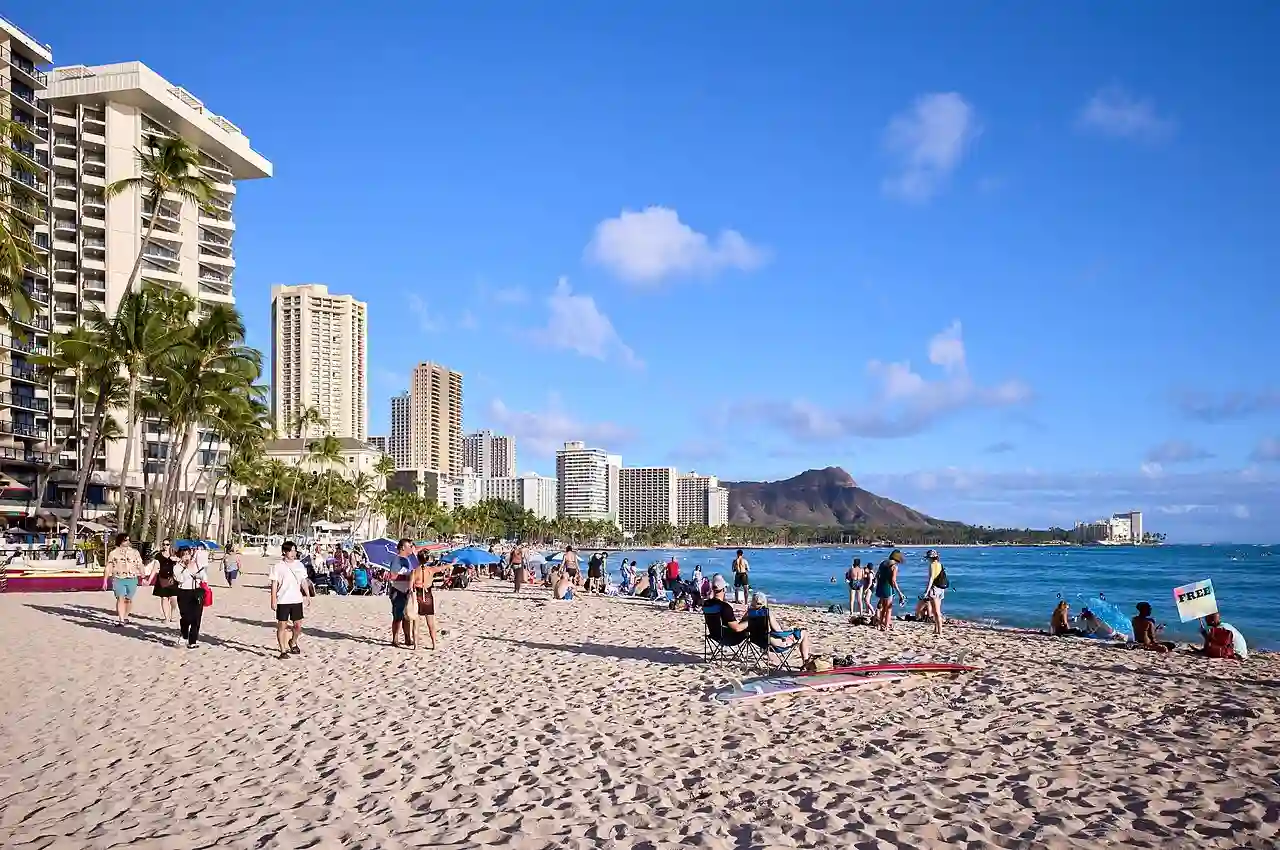
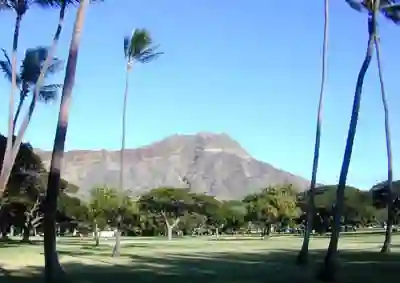
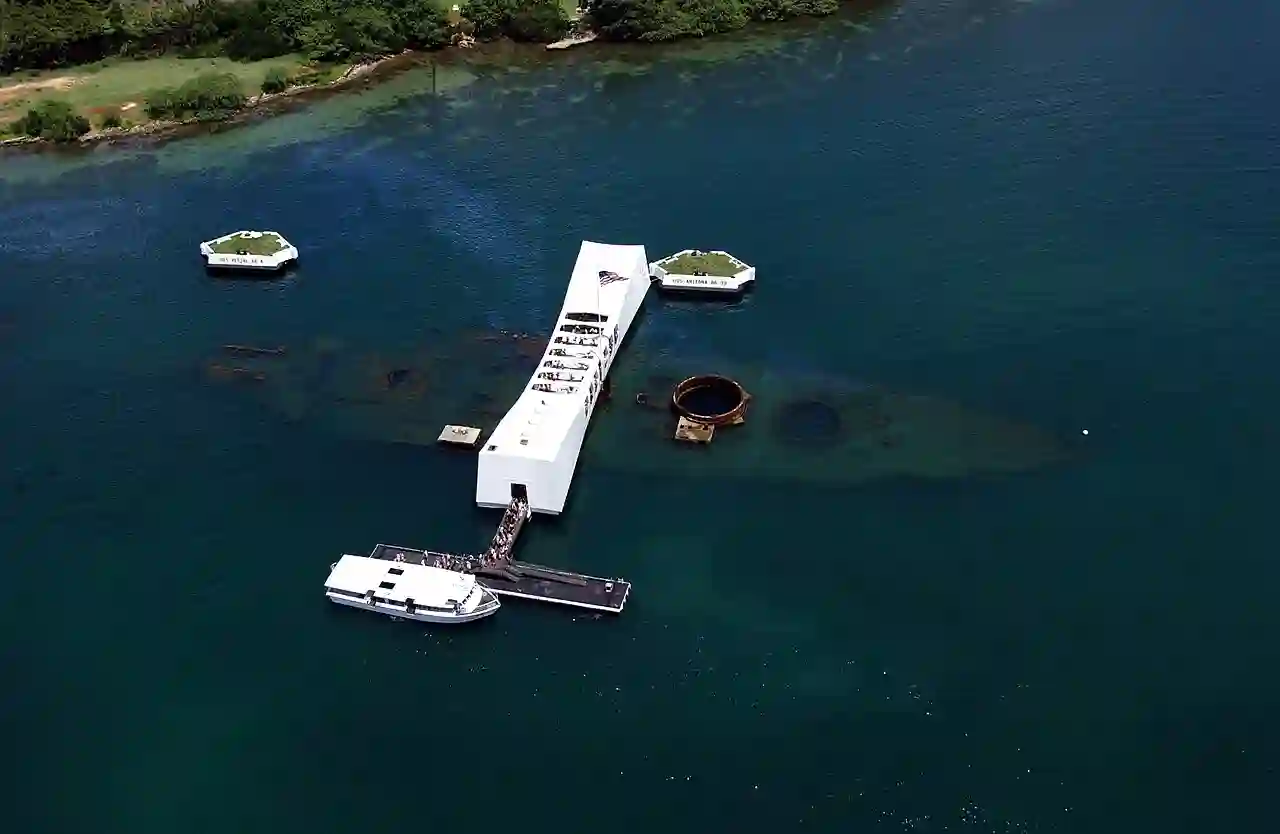
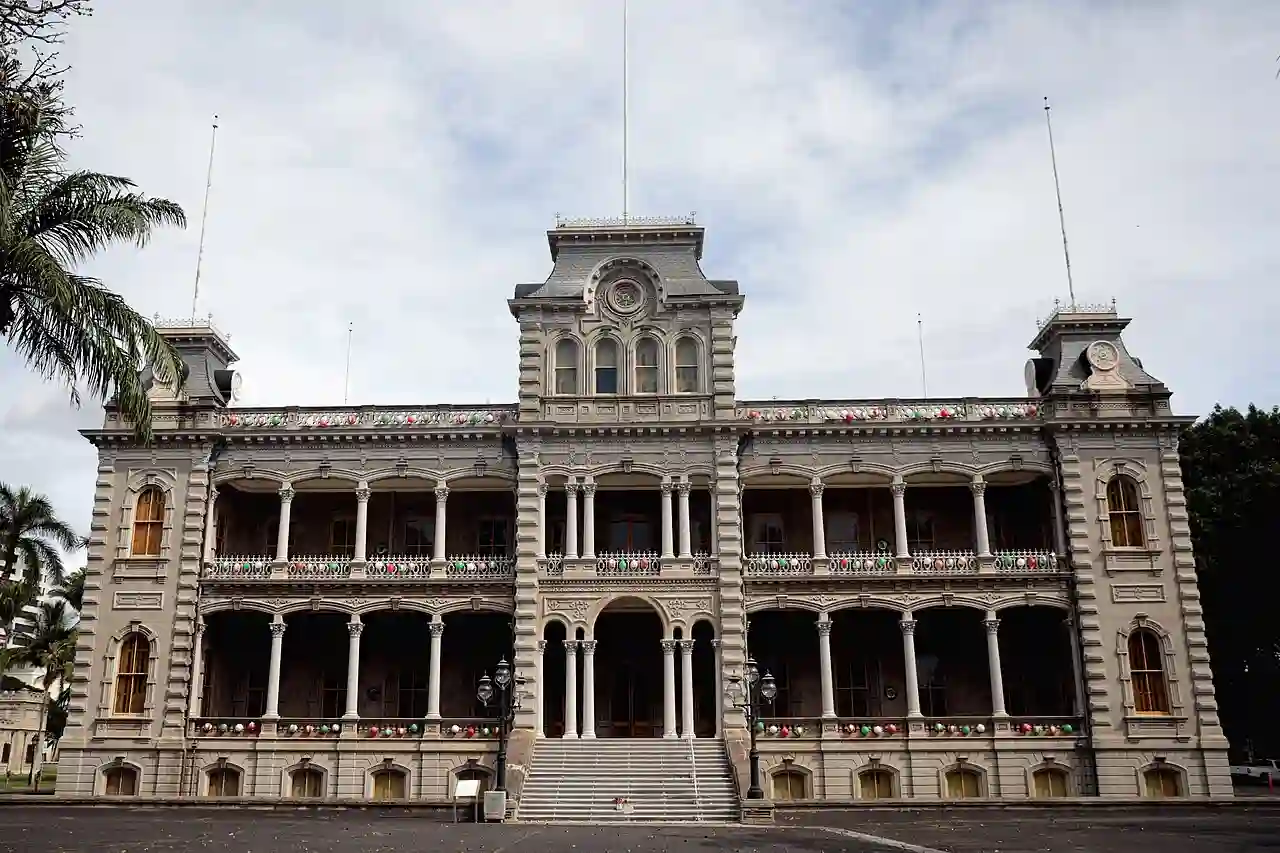
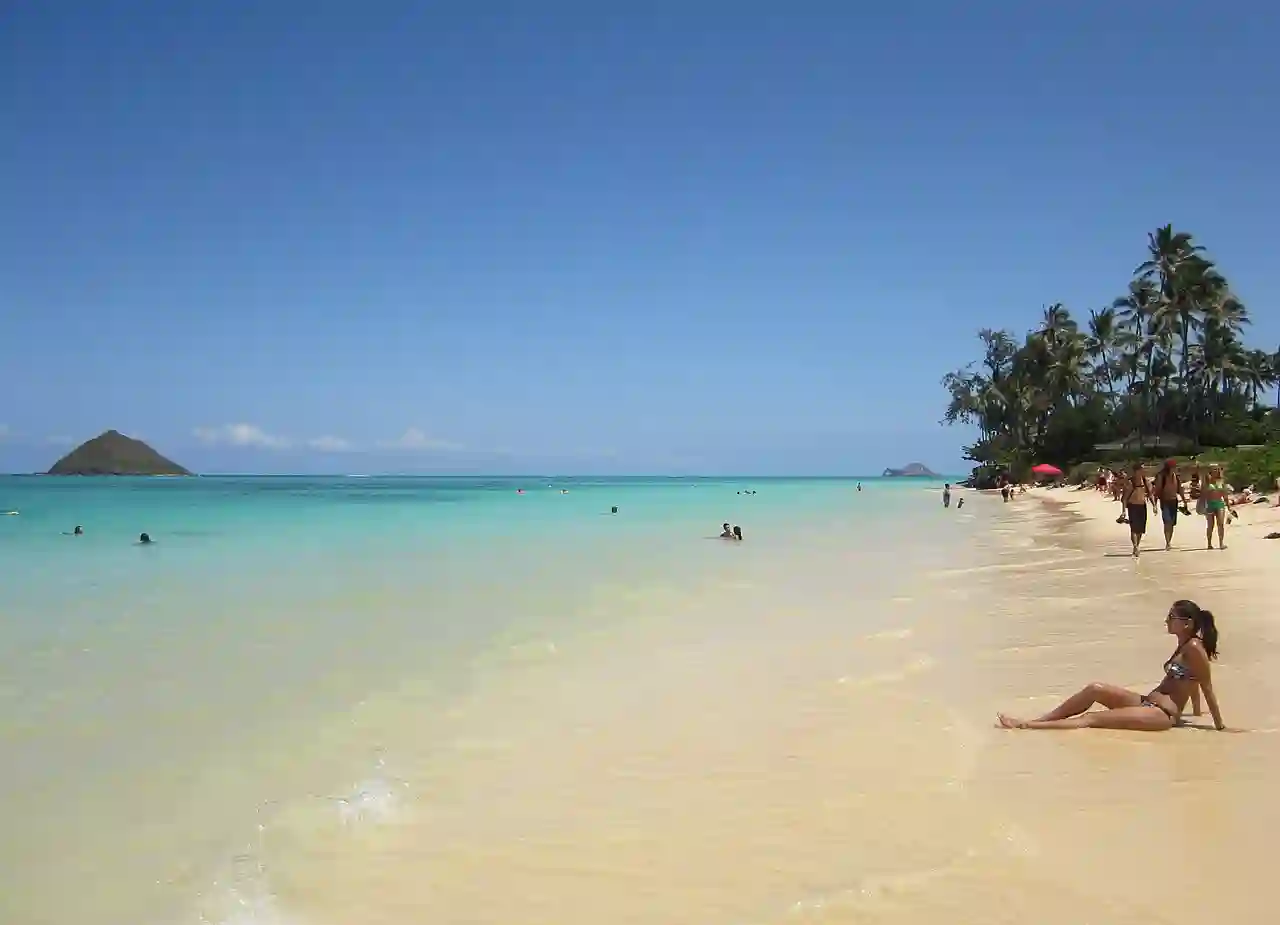
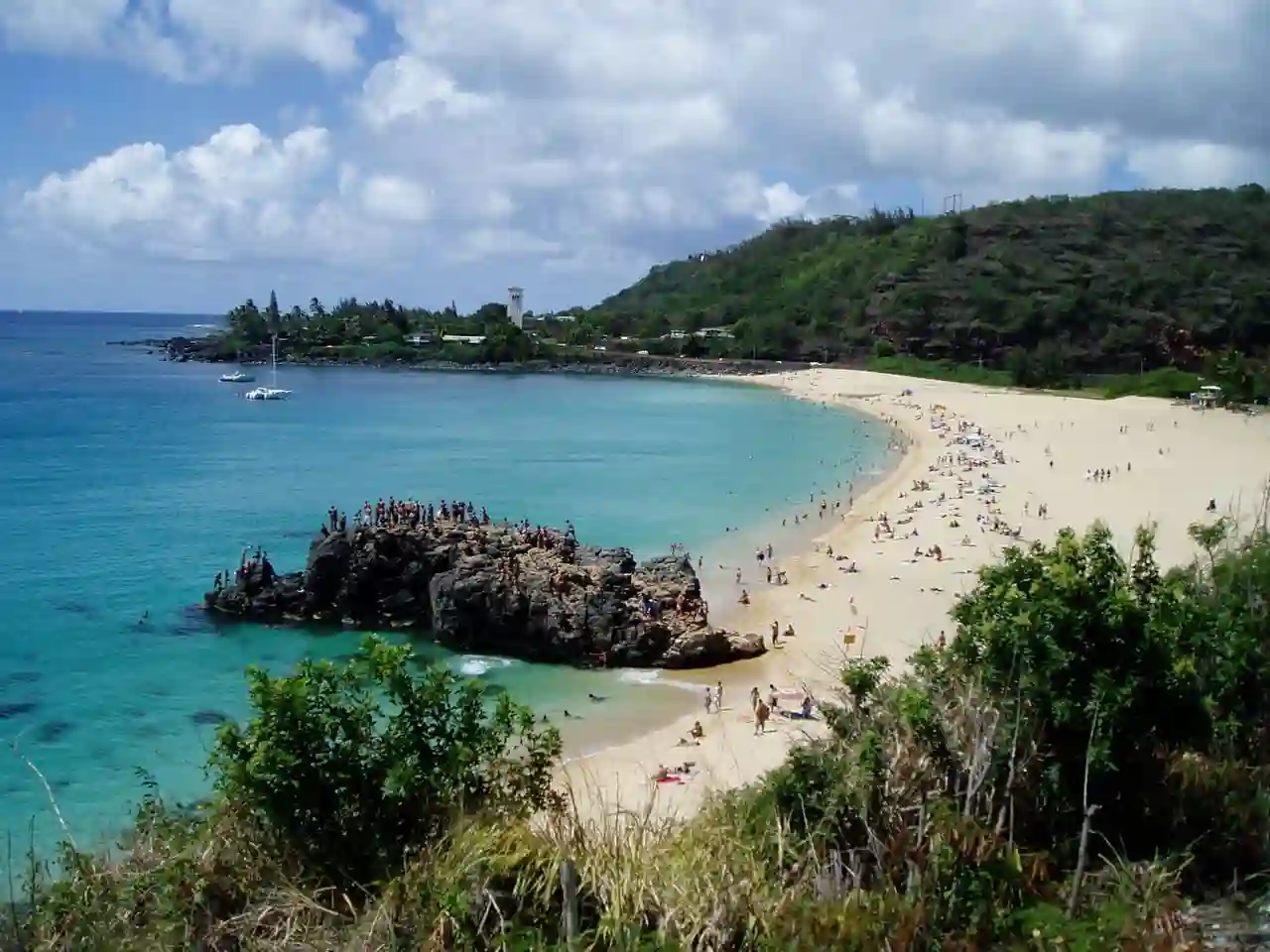
The vibrant capital of the State of Hawaii, this island metropolis offers a fascinating blend of traditional Hawaiian culture and urban modernity. Renowned for its paradise beaches, including the legendary Waikiki, the city captivates with its diversity of experiences: from iconic historical sites like the Pearl Harbor memorial to natural wonders such as the Diamond Head crater, which provides spectacular views of the Pacific Ocean and the metropolitan area.
Geographic situation
Located on the island of Oahu, in the heart of the Hawaiian archipelago, the city thrives amid the Pacific Ocean. It is approximately 3,850 km southwest of Los Angeles and 6,500 km southeast of Tokyo. Covering an area of 177.2 km², of which 156.7 km² is land, it primarily occupies the southeastern coast of the island, bordered by the crystal-clear waters of the Pacific.
Atmosphere and character
The cosmopolitan atmosphere of the city reflects a skillful blend of Asian, Polynesian, and Western influences. This cultural fusion creates a unique ambience, both laid-back thanks to the idyllic island setting and dynamic with a lively nightlife. Neighborhoods such as Chinatown and Kaka'ako offer rich cultural experiences, punctuated by contemporary art galleries, live music performances, and authentic local festivals.
Climate
The tropical climate ensures pleasant weather conditions year-round. Daily maximum temperatures generally range between 25 and 30 °C, even during the winter months. The northeast trade winds, blowing constantly, bring moisture to the mountainous terrain while often preserving a sunny coastline. The rainfall pattern follows a seasonal cycle with a wetter winter and a drier summer.
Best time to visit
Two periods stand out particularly for an optimal stay: from mid-April to early June and from September to mid-December. These time windows combine ideal temperatures, reduced tourist influx, and more favorable accommodation rates. They also allow visitors to avoid the intense summer heat and the winter rainy season.
Access
The international airport, located about 10 km northwest of downtown, serves as the main gateway. It hosts numerous domestic and international airlines. Several options are available for travelers to reach downtown or Waikiki:
- Taxis
- Airport shuttles
- Public transportation
- Car rental
Internal transportation
The public transport network primarily relies on TheBus, an efficient bus system that services the entire island of Oahu. For faster travel, taxi and ridesharing services are readily available. Car rental remains very popular for exploring the island freely, while bike-sharing offers an eco-friendly alternative for urban travel.
Top 50
Wikipedia
Viator activities
Tiqets activities
Top 50
Reviews
Log in for free to add a review and discover others'.