



London
General presentation
Top 50
History, culture & traditions
Travel advice
Wikipedia
Viator activities
Tiqets activities
Overall presentation
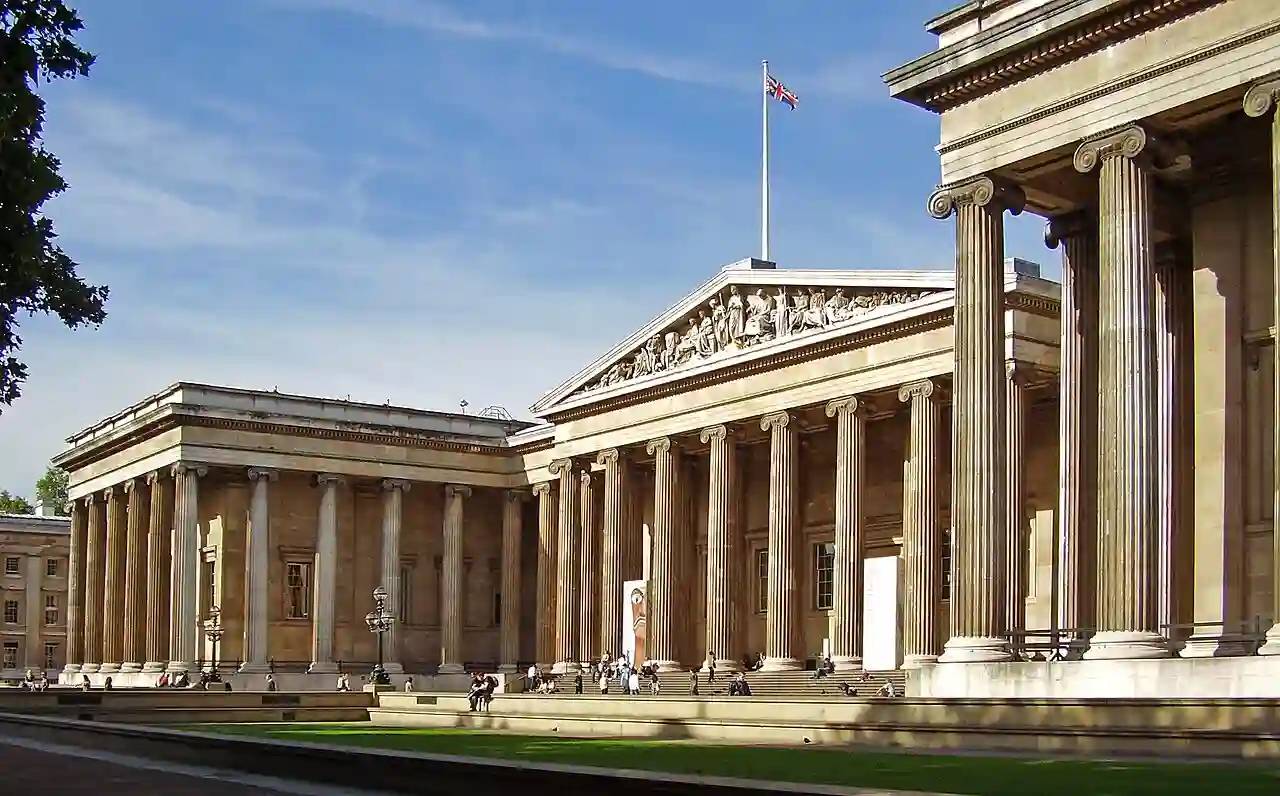
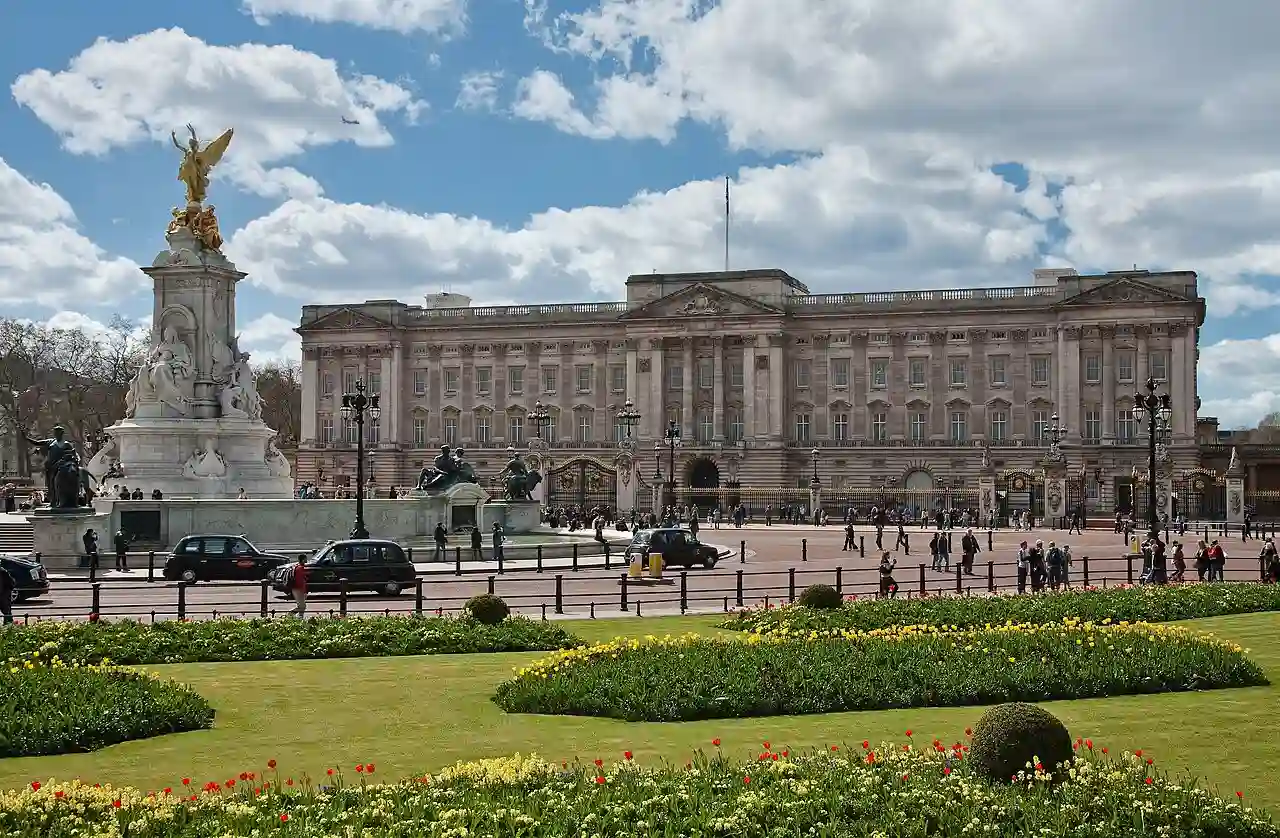
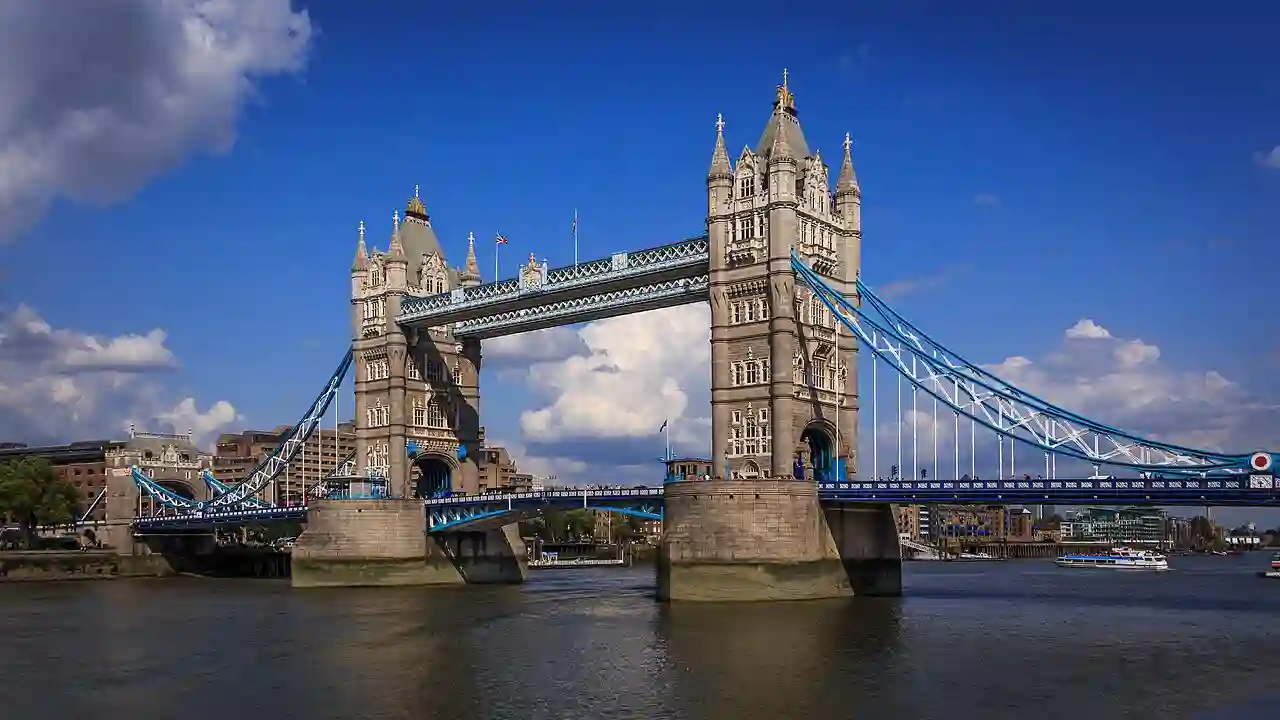
London, the capital of the United Kingdom, is a dynamic and cosmopolitan metropolis that enchants with its rich historical heritage, vibrant cultural scene, and remarkable ethnic diversity. Every year, nearly 28 million visitors flock to discover its iconic treasures such as the British Museum, the majestic Buckingham Palace, and the iconic Tower Bridge. This millennial city skillfully blends British tradition and contemporary innovation, offering a unique urban experience in the heart of England.
Geographical location
Nestled in the southeast of England, the city majestically stretches along the winding banks of the Thames. It is situated in the heart of the London basin, a naturally sheltered area between the Chiltern Hills to the north and the North Downs to the south. This strategic position has favored its development as a nerve center of the country and an international crossroads.
Atmosphere and character
The British capital captivates with its multifaceted personality, where tradition and modernity coexist harmoniously. The bohemian neighborhoods of Shoreditch and Camden neighbor the elegant avenues of Mayfair, while green spaces like Hyde Park offer peaceful havens amid the urban bustle. Its exceptional cultural diversity is manifested through a myriad of colorful festivals, lively markets, and restaurants serving flavors from around the world. London’s nightlife, renowned for its dynamism, offers countless experiences, from traditional pubs to avant-garde clubs.
Climate
London enjoys a temperate oceanic climate characteristic of southern England. Winters are generally cool without being harsh, with temperatures ranging between 2°C and 8°C. Summers prove to be pleasantly mild, with thermometers usually displaying between 18°C and 25°C. Precipitation, distributed relatively evenly throughout the year, averages 615 mm annually. Although the city is often associated with rain and fog, these phenomena are less frequent than its reputation suggests.
Best season to visit
Spring (from March to May) is a favored time to discover London, with its mild temperatures and beautifully blossomed parks. Summer (from June to August) offers the advantage of long sunny days and a multitude of outdoor events, although tourist crowds peak during this time. Autumn (from September to November) reveals a quieter face of the capital, adorned with warm foliage hues, with less traffic at tourist sites. Each season reveals a different facet of London’s charm.
Access
The metropolis is remarkably connected to the rest of the world through five main airports:
- Heathrow, the largest, connected to the city center by the Piccadilly Line of the underground (40-60 minutes)
- Gatwick, served by the Gatwick Express which reaches Victoria Station in just 30 minutes
- Stansted and Luton, both connected by direct trains reaching the heart of London in about 50 minutes
- City Airport, ideally located for business travelers
These multiple points of entry make London one of the most accessible capitals in Europe.
Internal transport
The London public transport network, one of the most developed in the world, offers numerous options for exploring the city:
- The underground (Tube), the oldest underground system in the world, efficiently serves the entire metropolis
- The iconic red double-decker buses allow for travel while admiring the urban landscape
- The DLR (Docklands Light Railway) mainly runs through the eastern part of the city
- Suburban trains complete the network to reach the outskirts
- The traditional black taxis (black cabs) represent a practical albeit more expensive alternative
To optimize your travels and save money, using an Oyster card or contactless payments is strongly recommended.
Top 50
Wikipedia
Viator activities
Tiqets activities
Top 50
Reviews
Log in for free to add a review and discover others'.