

Toledo
General presentation
Top 50
History, culture & traditions
Travel advice
Wikipedia
Viator activities
Tiqets activities
Overview
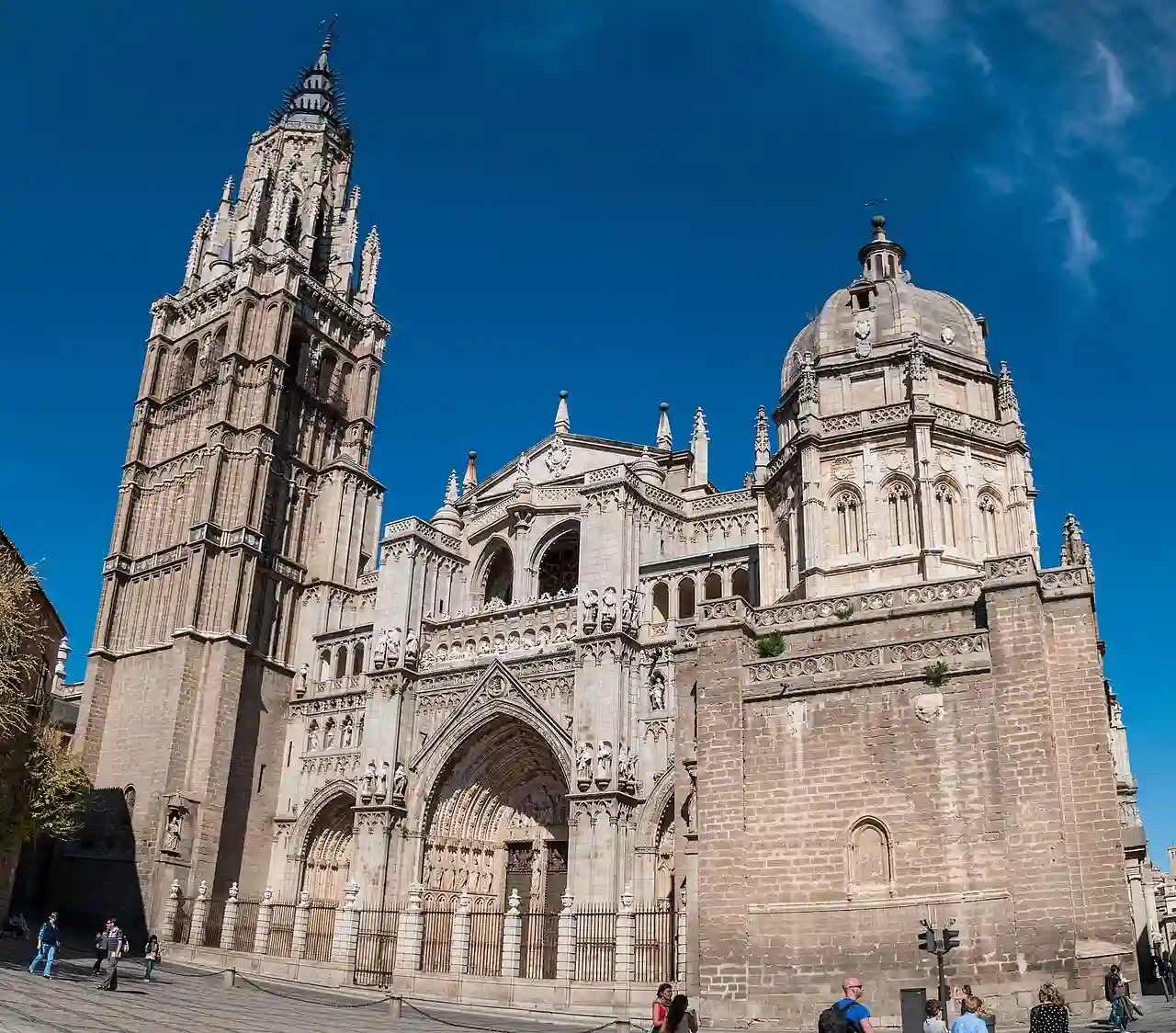
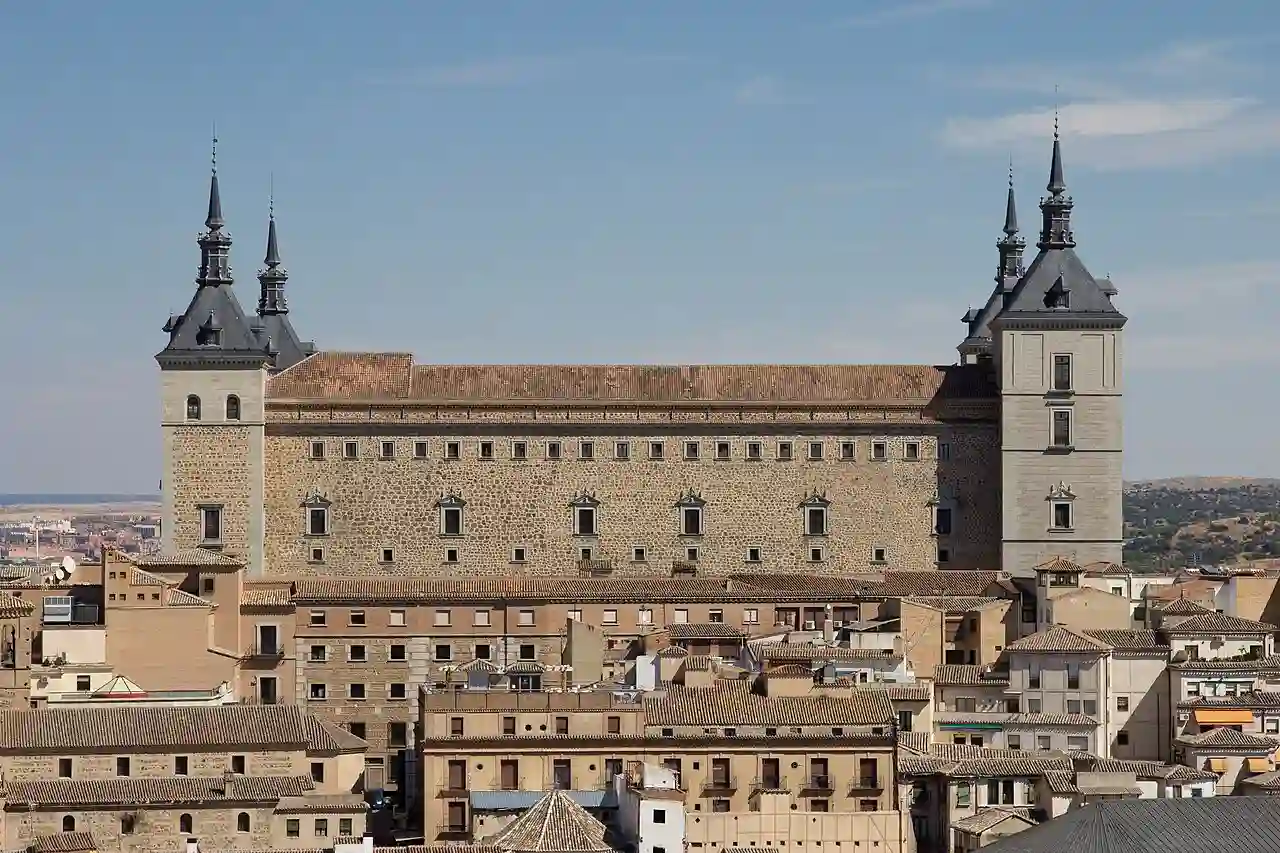
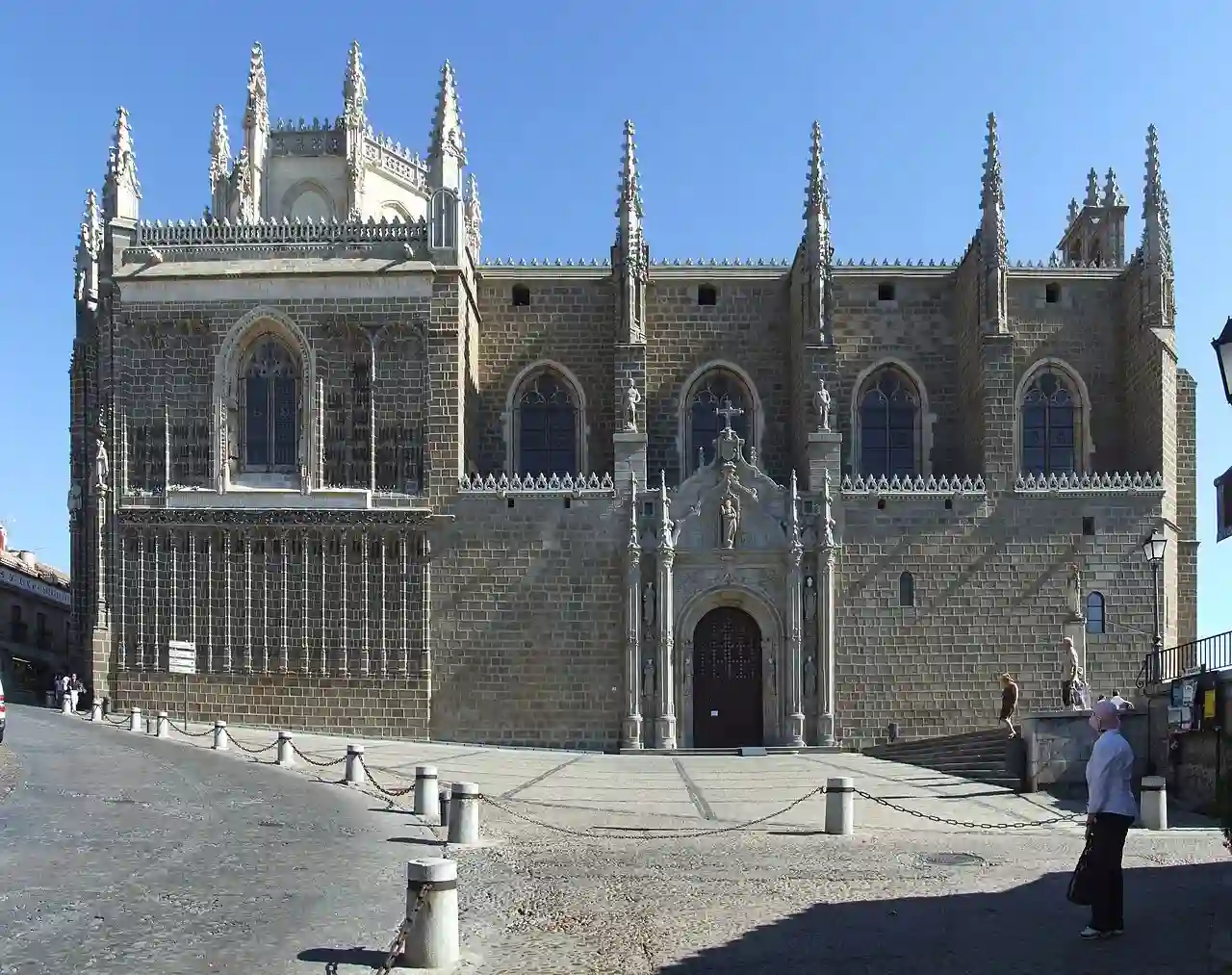
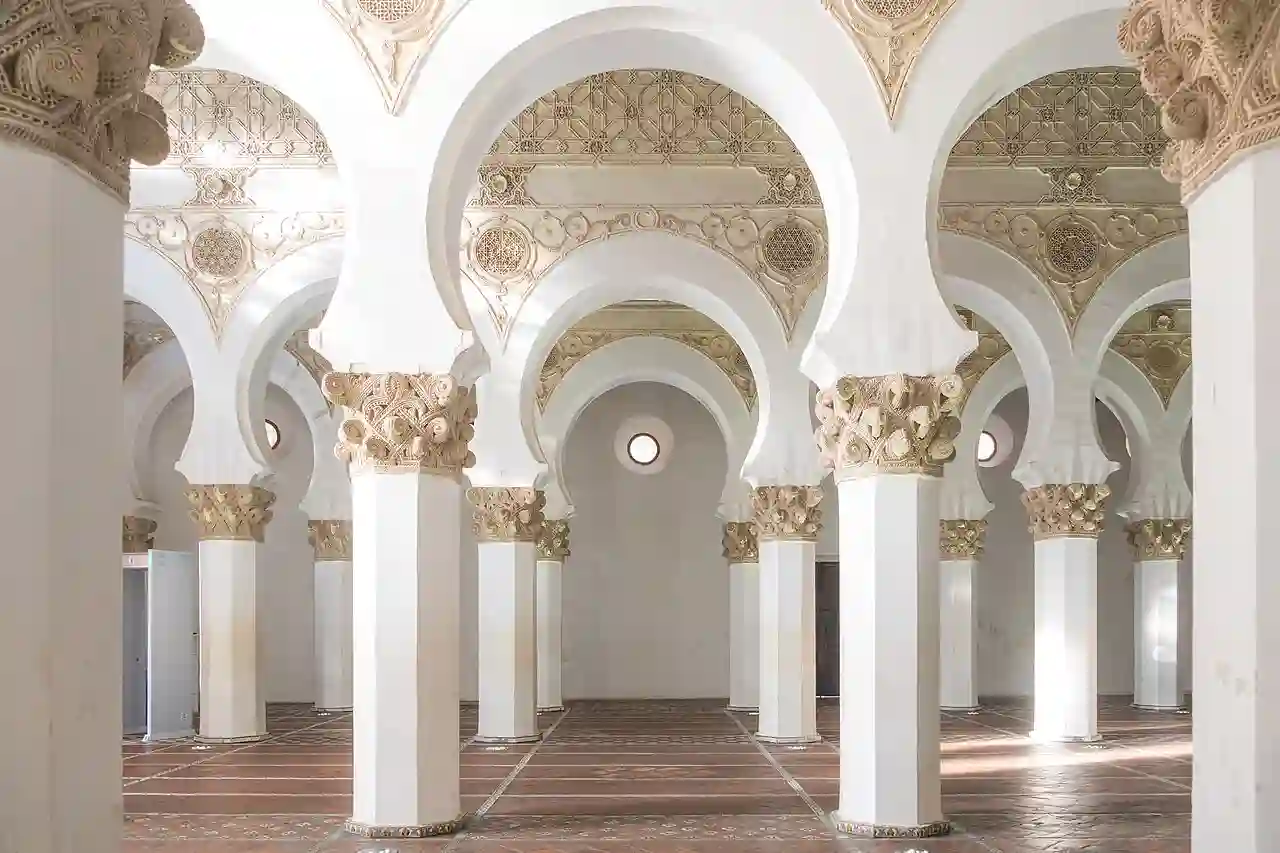
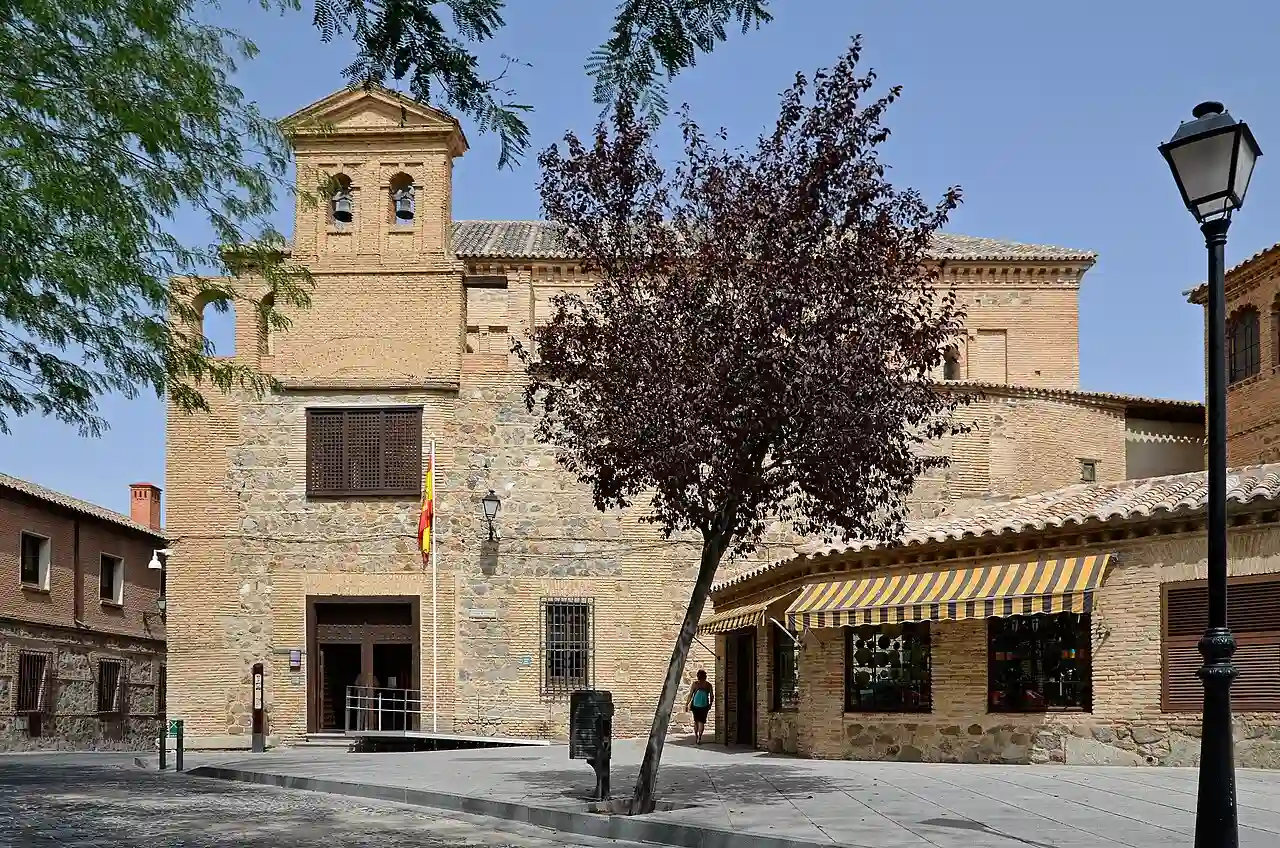
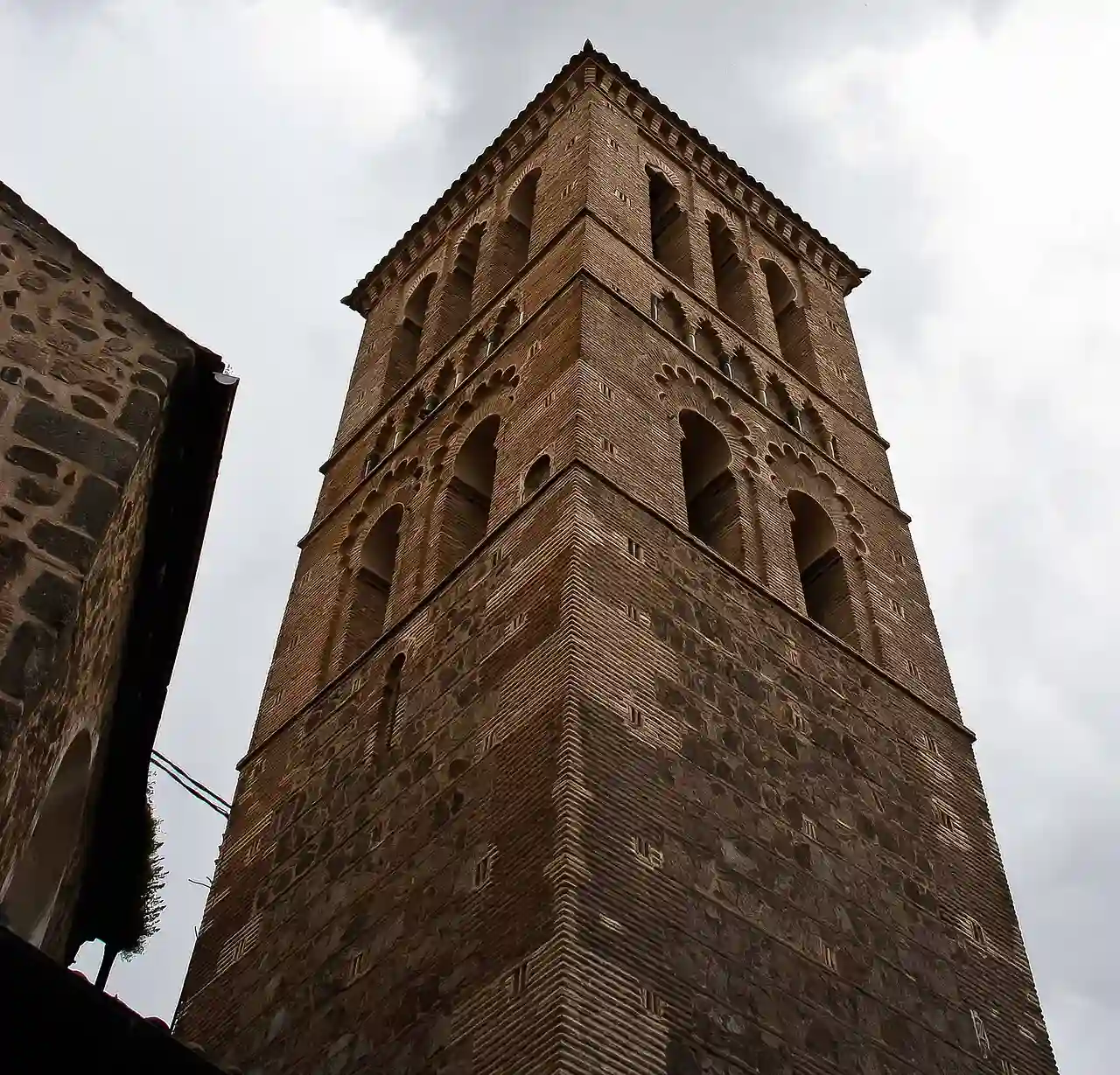
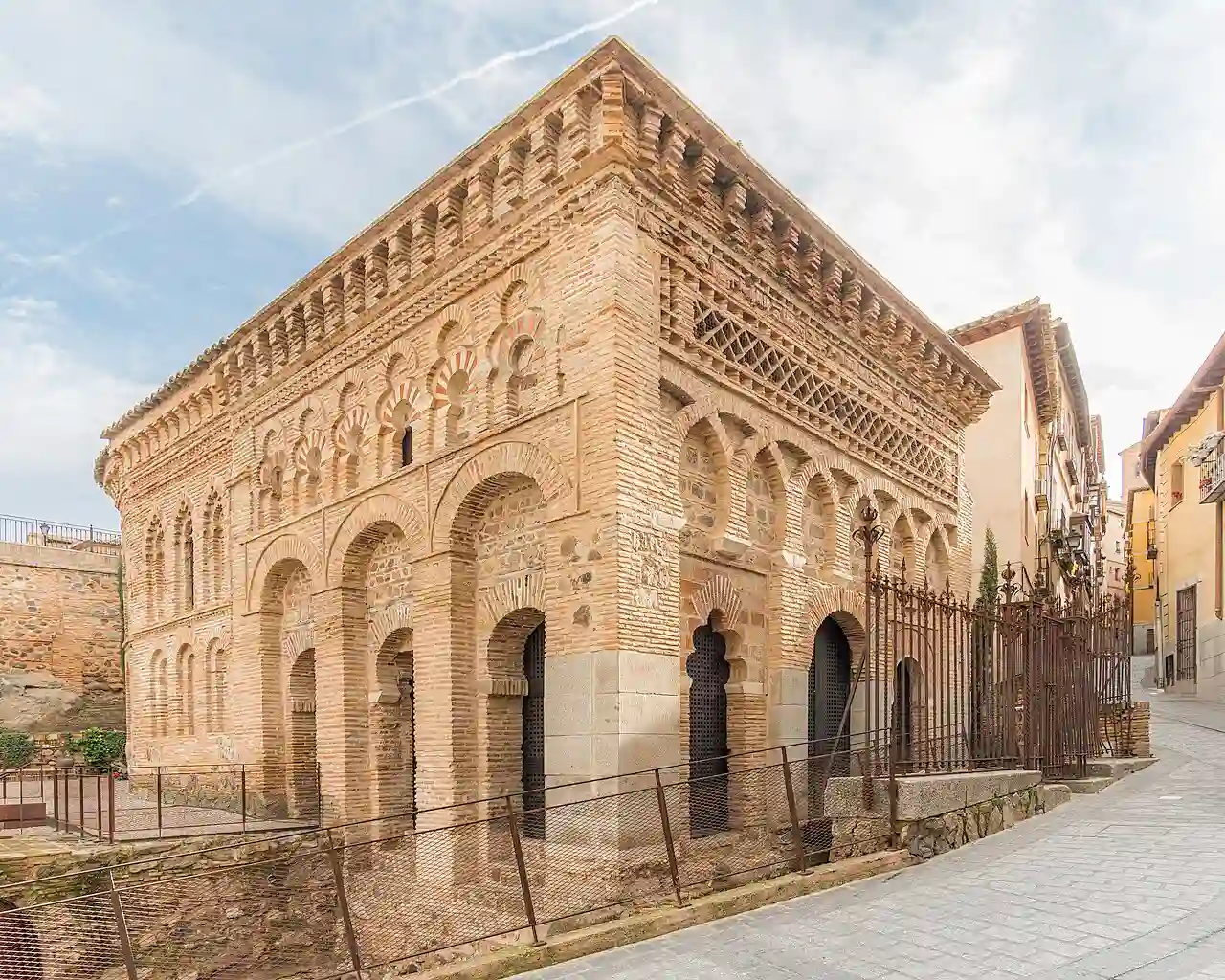
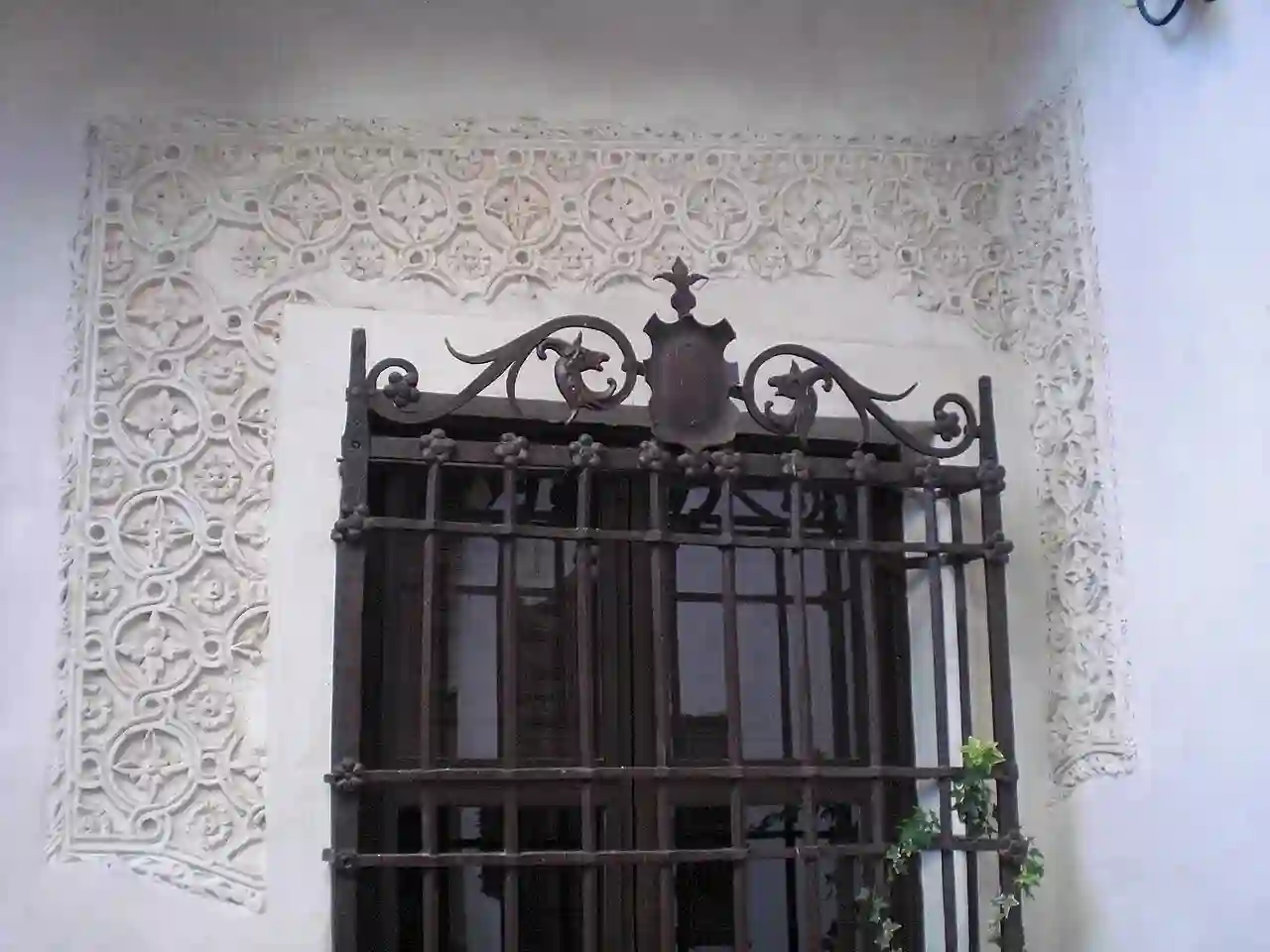
Capital of the eponymous province and the autonomous community of Castile-La Mancha, this iconic city in central Spain captivates with its exceptional millennial heritage. Inscribed on the UNESCO World Heritage list since 1986, it bears the evocative nickname "city of three cultures" in reference to the harmonious coexistence of Christians, Muslims, and Jews over the centuries. This multicultural richness is reflected today in the remarkable diversity of its monuments and traditions, offering visitors a unique journey through Iberian history.
Geographical situation
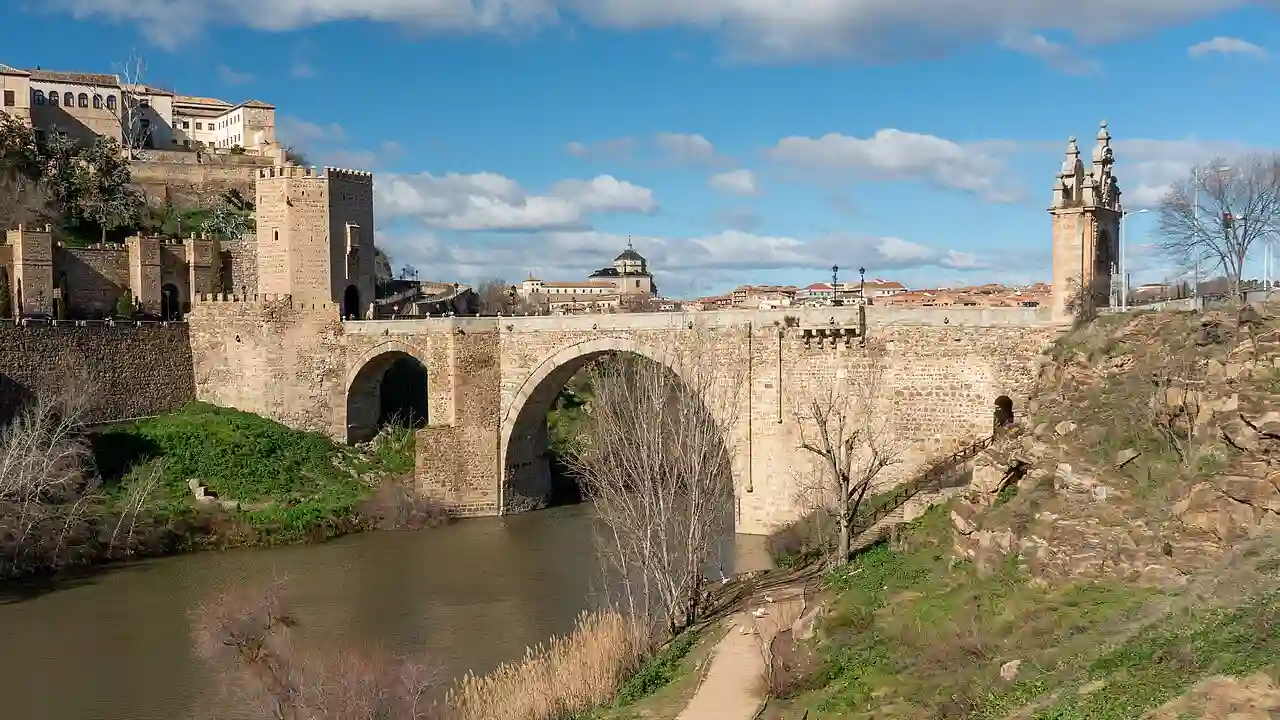
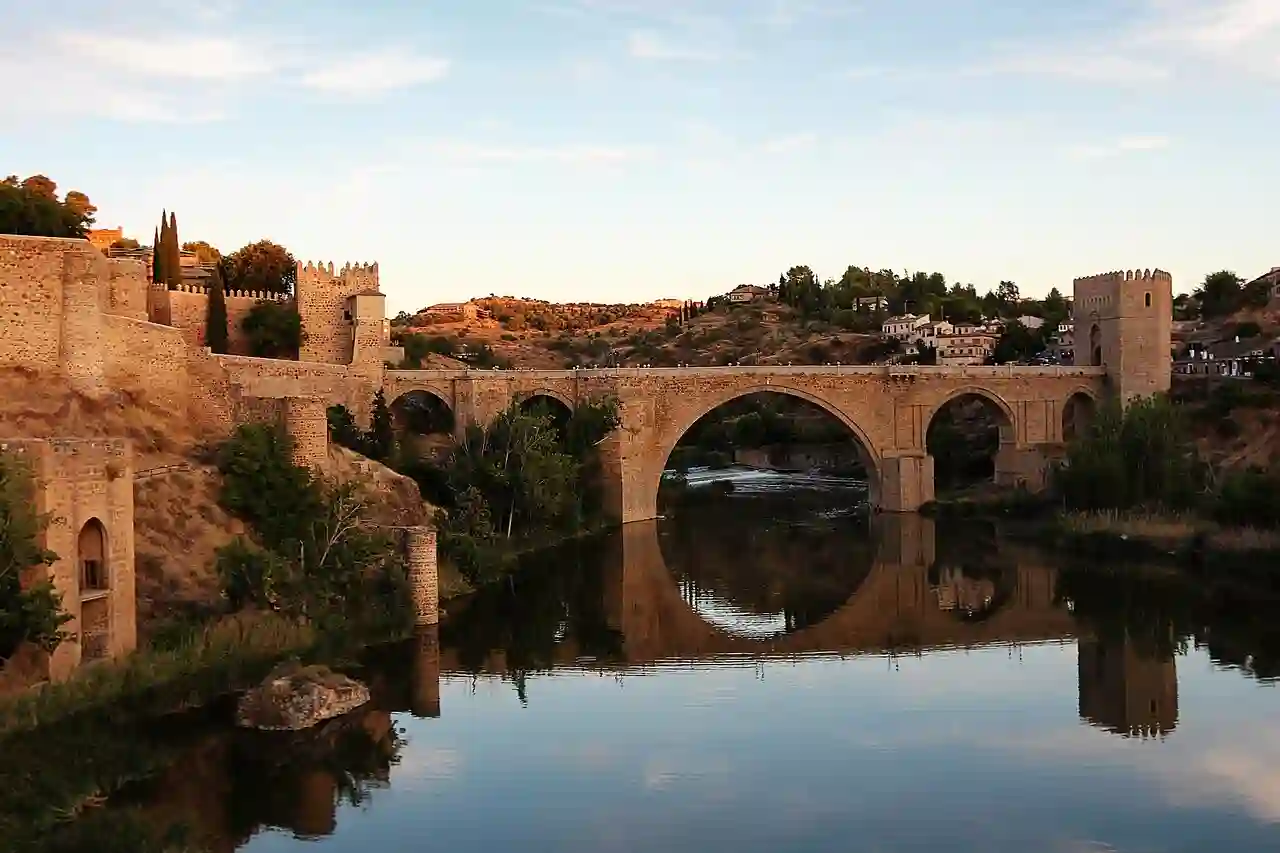
Located about 70 kilometers southwest of Madrid, the city occupies a strategic position in the heart of Spain. The Tagus River gracefully crosses its territory, creating a picturesque natural setting that highlights the beauty of the surrounding landscapes. The municipal territory covers 232 km², perched at an average altitude of 529 meters, providing exceptional views of the Castile-La Mancha region.
Atmosphere and character
The unique atmosphere here harmoniously blends history, art, and culture in a setting of striking beauty. The winding medieval alleys, lined with remarkably well-preserved historical buildings, create a mood that is both romantic and mysterious. The views over the Tagus add a poetic dimension to this timeless urban experience. The city also perpetuates its long-standing artisanal traditions, particularly renowned for sword making and the delicate art of damascening.
Climate
The continental Mediterranean climate characterizes this region, offering marked seasonal contrasts. Summers stand out for their brevity and intensity, with very hot and generally sunny days where maximum temperatures average 33°C in July. In contrast, winters are harsh and partly cloudy, with average minimum temperatures dropping to 1°C in January. Precipitation remains moderate throughout the year, totaling about 453 mm annually.
Best season to visit
The optimal period to discover the city extends from late June to late August, when the weather conditions become ideal to fully enjoy summer activities and the exploration of outdoor monuments.
Access
The excellent transport connection from Madrid greatly facilitates access to this heritage destination:
- By road: the A-42 motorway provides a direct and quick link
- By train: the high-speed AVE line connects the two cities in about 20 minutes
- Main station: the station serves as the preferred railway entry point for visitors
Internal transport
Once arrived, discovering the city is easy thanks to several transportation options:
- On foot: the compact historic center is perfect for exploring on foot
- Urban buses: a network efficiently serves the different neighborhoods
- Taxis: available for longer or more comfortable journeys
- Horse-drawn carriages: for a picturesque and authentic experience in the historic center
Top 50
Wikipedia
Viator activities
Tiqets activities
Top 50
Reviews
Log in for free to add a review and discover others'.