




Tenerife
General presentation
Top 50
History, culture & traditions
Travel advice
Wikipedia
Viator activities
Tiqets activities
Overview
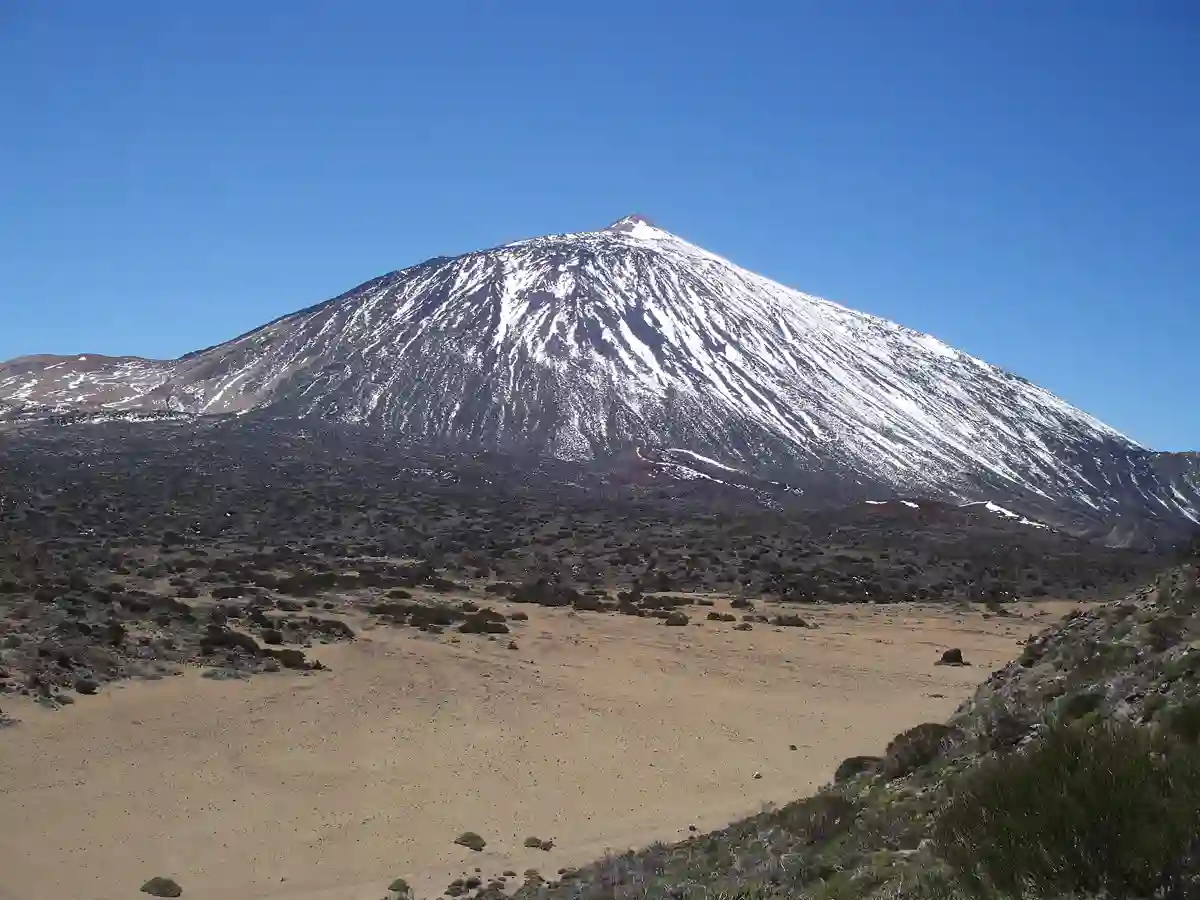
The largest island of the Canary Islands archipelago attracts millions of visitors each year with its remarkable diversity. This flagship destination harmoniously combines spectacular volcanic landscapes, beaches with varied atmospheres, and authentic cultural richness. A true concentrate of preserved nature and tourist attractions, the island offers a unique experience where beach relaxation blends with exceptional natural adventures.
Geographic situation
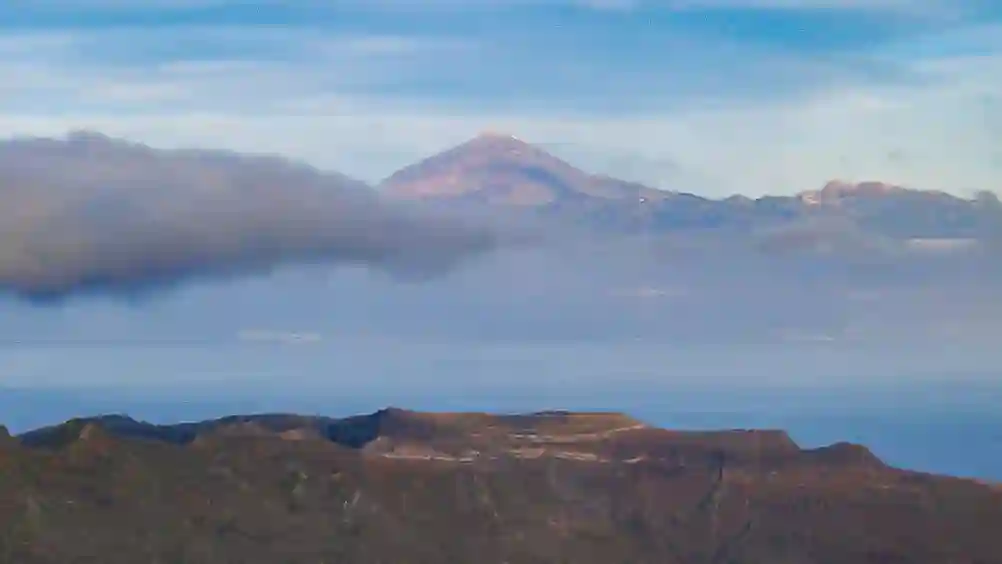
Positioned in the Atlantic Ocean, the island is located about 300 km from the African coasts and more than 1,000 km south of mainland Spain. With an area of 2,034 km², it extends 87 km in maximum length and 45 km in width, thus constituting the largest territory among the eight main islands of the Canary archipelago.
Atmosphere and character
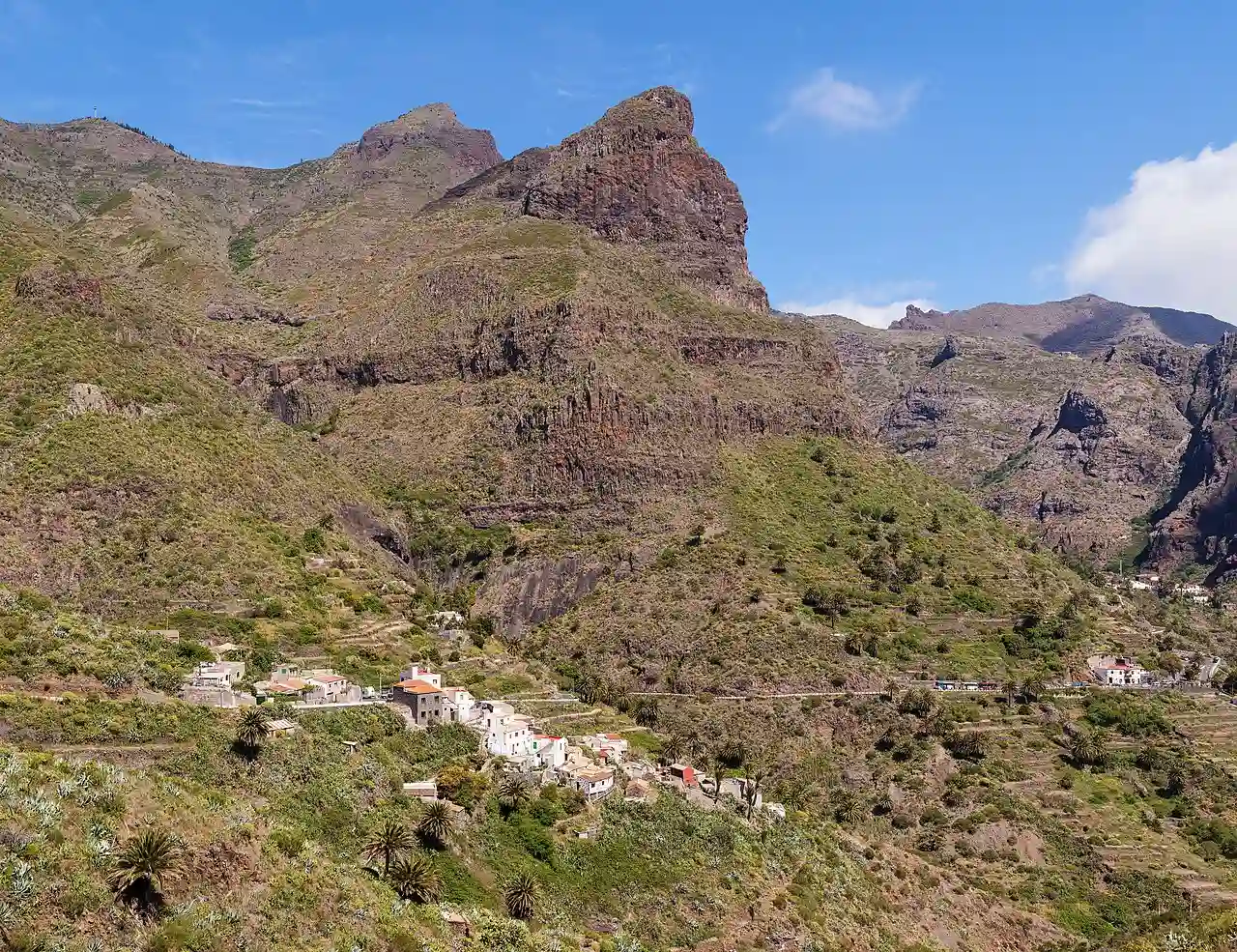
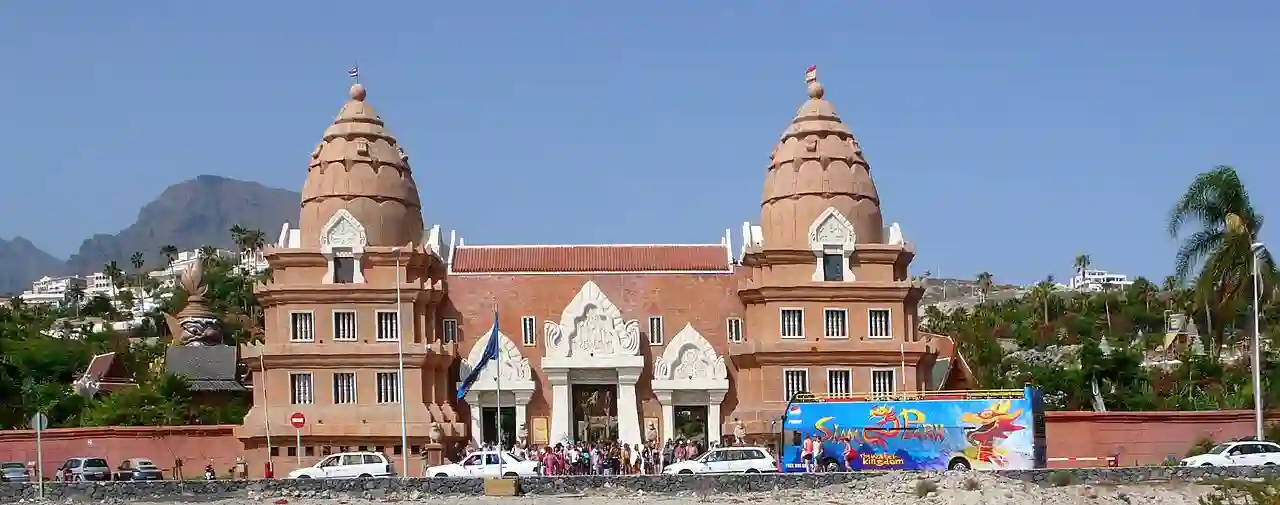
The island's atmosphere reveals a fascinating dual personality. The south displays a decidedly touristy and lively ambiance, while the north retains a more authentic and tranquil character. This duality is enriched by a vibrant culture, marked by colorful festivals, delicious local cuisine, and centuries-old traditions that still permeate island life.
Climate
Nicknamed "the island of eternal spring," it enjoys a remarkably stable subtropical climate. Temperatures pleasantly range between 17°C in winter and 25°C in summer, regulated by the trade winds and the cold Canary current. However, this mild climate presents nuances depending on the areas: the north tends to be more humid while the south generally remains drier.
Best season to visit
The destination can be enjoyed throughout the year thanks to its favorable climate. Spring, from April to June, is, however, the ideal period to combine perfect temperatures with moderate tourist crowds, thus offering the best conditions for discovering the island serenely.
Access
Two main airports serve the island: the North Airport (Los Rodeos) and the South Airport (Reina Sofía), ensuring regular connections with Europe and the rest of mainland Spain. Ferry services complement this offer by linking the island to other Canary territories as well as the continent, providing a valuable maritime alternative.
Internal transport
The public transport network, structured around local buses called "guaguas," effectively covers the entire island territory. A modern tram connects the two main cities in the north, Santa Cruz and San Cristóbal de La Laguna. For a more free exploration, vehicle rentals are very popular and allow discovering the island's hidden treasures at one's own pace.
Top 50
Wikipedia
Viator activities
Tiqets activities
Top 50
Reviews
Log in for free to add a review and discover others'.