

Santiago de Compostela
General presentation
Top 50
History, culture & traditions
Travel advice
Wikipedia
Viator activities
Tiqets activities
General presentation
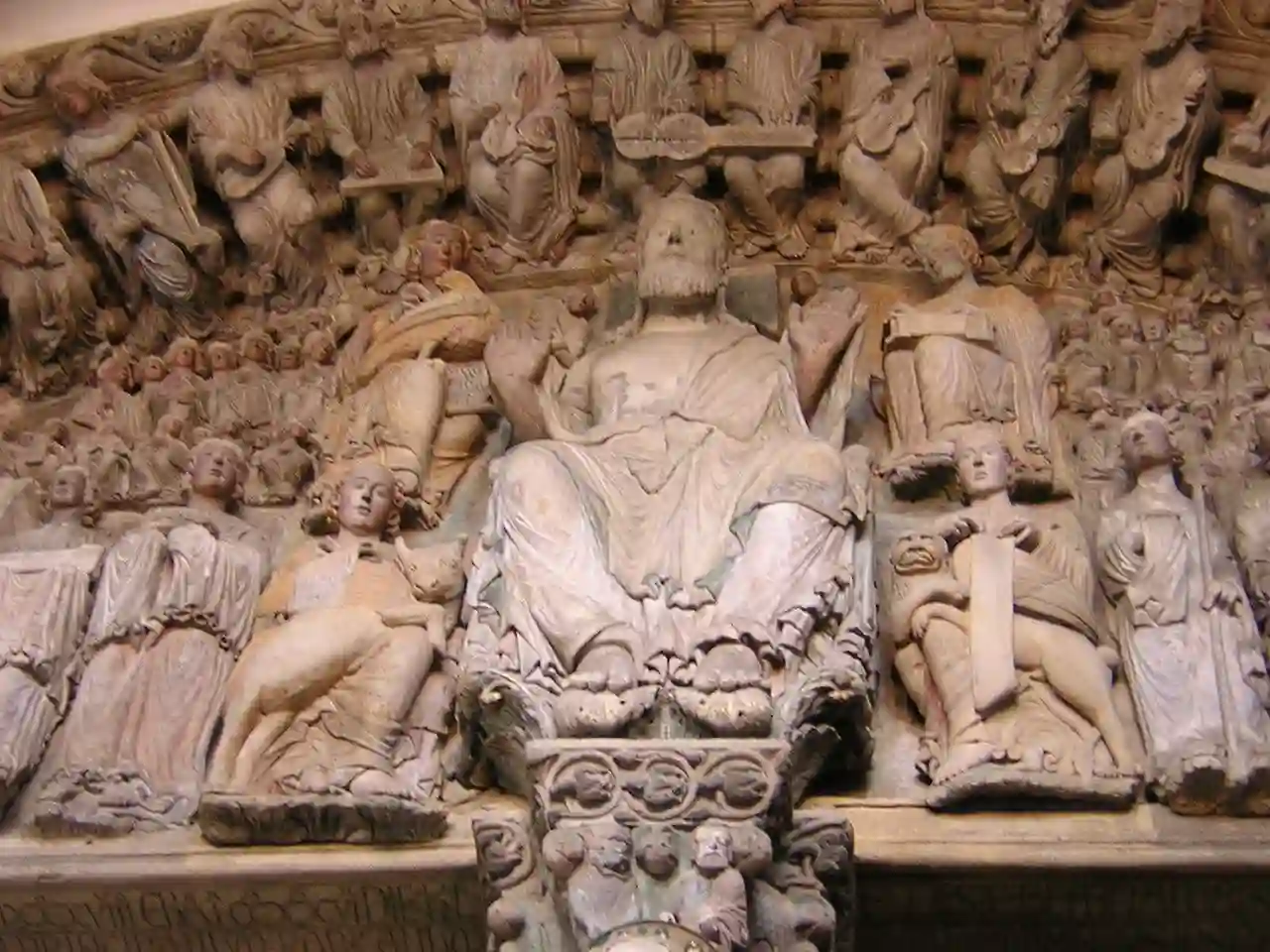
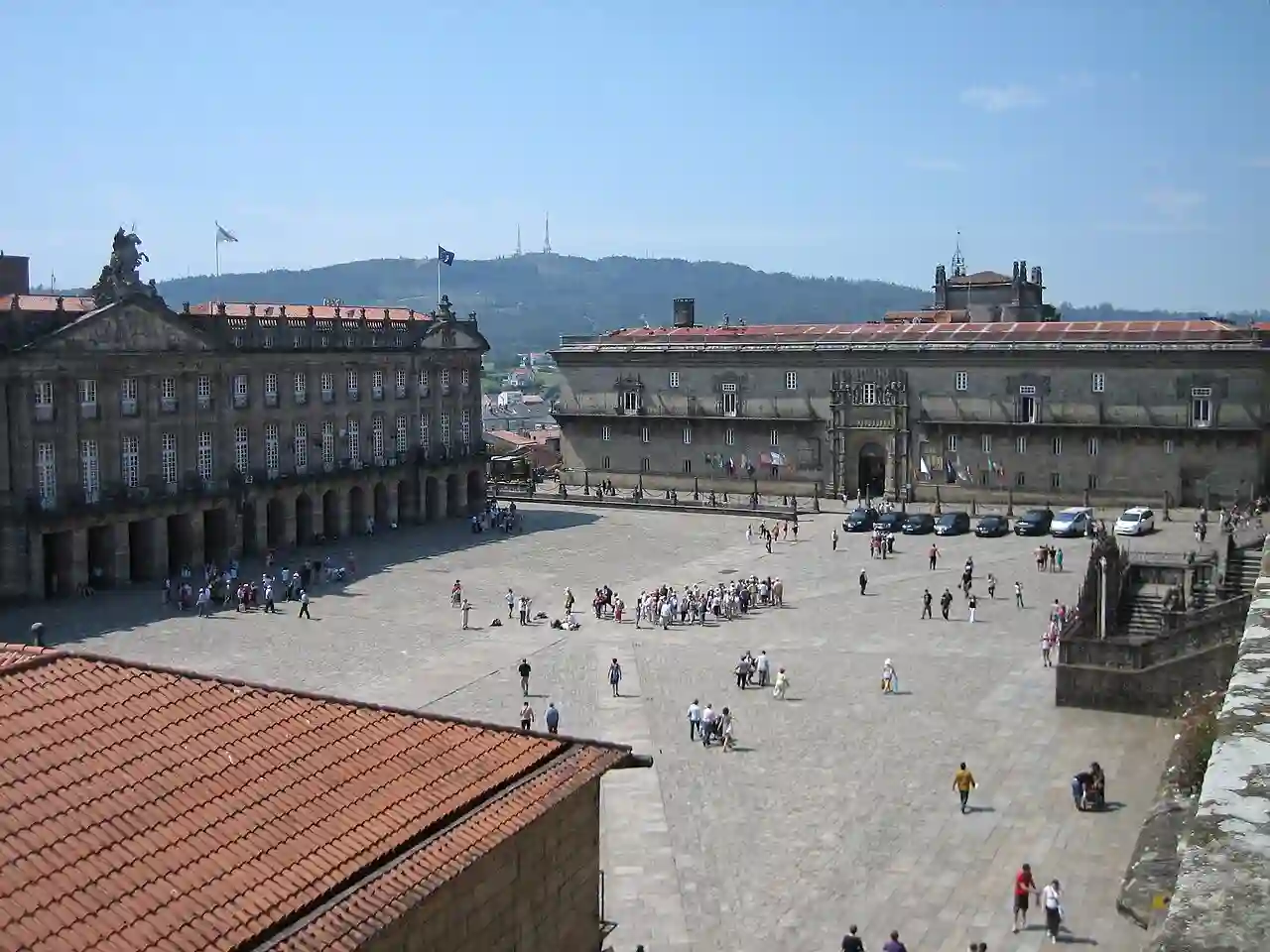
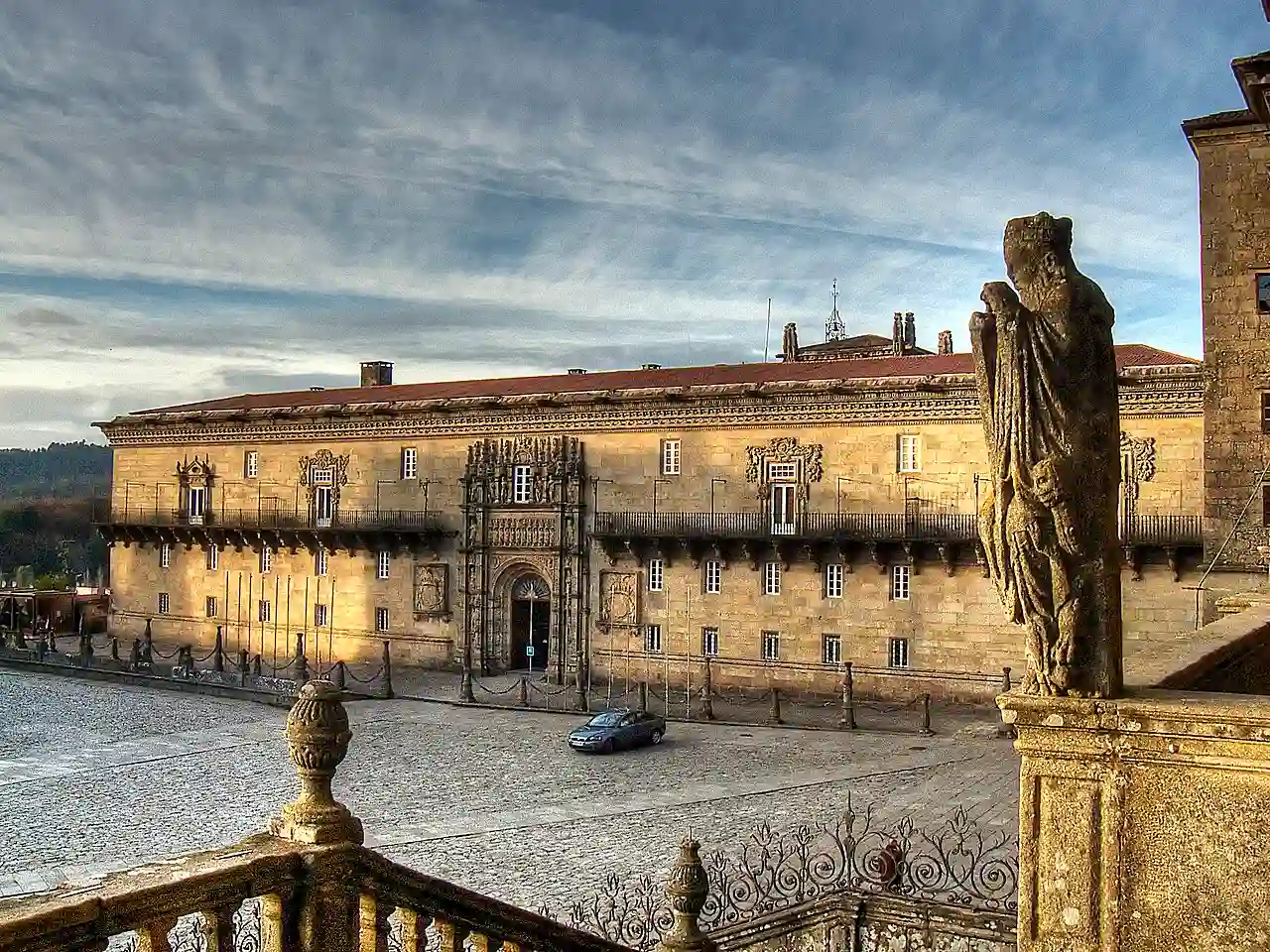
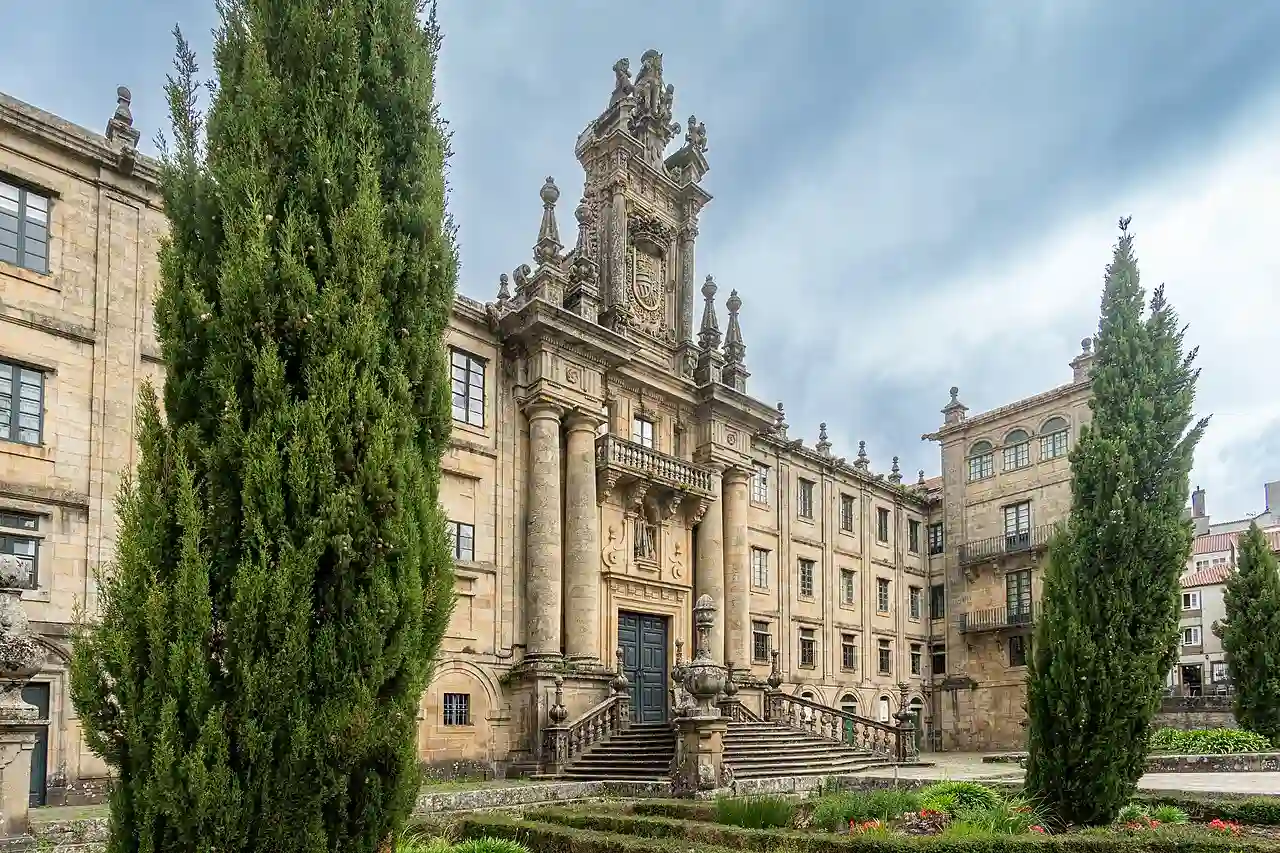
An emblematic city in the northwest of Spain, this destination is globally recognized as the endpoint of the famous pilgrimage of the Way of Saint James. Its historic center, listed as a UNESCO World Heritage site since 1985, is a true architectural gem where Romanesque, Gothic, and Baroque styles harmoniously blend. The cathedral, built from the 11th century, represents the spiritual heart of the city and attracts pilgrims and tourists from around the world, testament to the religious and cultural significance of this unique place.
Geographical location
Located in Galicia, at the northwest tip of Spain, the city is about 40 kilometers from the Atlantic Ocean and nearly 100 kilometers from the Portuguese border. Perched at an altitude of 260 meters, it spans an area of 220 km², offering a privileged geographical setting between sea and land.
Atmosphere and character
Cosmopolitan since the Middle Ages, this destination remains an exceptional meeting place between cultures and traditions. Its unique atmosphere combines spirituality, due to its centuries-old religious significance, and dynamism, thanks to the presence of its historic university and the constant influx of visitors from all over the world. The cobblestone streets, lively squares, and local markets contribute to creating a warm and welcoming atmosphere, where heritage and modern life harmoniously blend.
Climate
The region enjoys a temperate oceanic climate, characterized by mild and rainy winters as well as pleasantly mild summers. Rainfall is frequent throughout the year, with an annual average of about 1,400 mm.
- Summer: temperatures ranging from 20 to 25°C
- winter: mild temperatures, rarely below 5°C
- Humidity: regular presence due to ocean proximity
Best season to visit
Spring (March to May) and autumn (September to November) are the ideal times to explore the destination. These seasons offer:
- mild and pleasant temperatures
- moderate tourist crowds
- optimal conditions for discovering the heritage
Summer, although hotter and busier, remains a popular period, especially due to the local festivities that animate the city.
Access
The city has excellent connections with the outside:
- Air: international airport located 12 kilometers from the city center, with regular flights to several European destinations
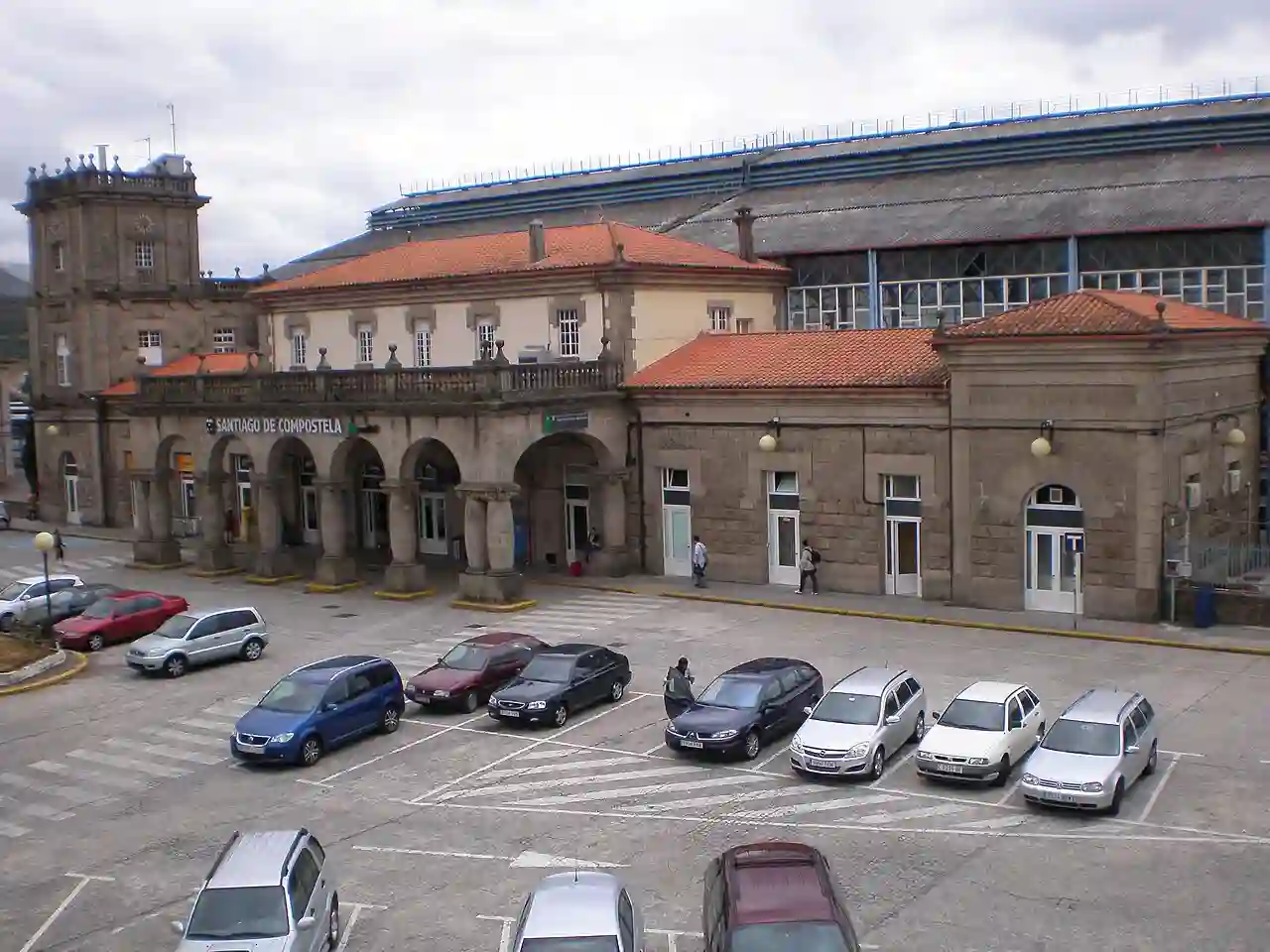
- Rail: station offering connections to major Spanish cities
- Road: well-developed network allowing easy access by car or bus
Internal transport
Urban mobility is organized around several options:
- Public transport: efficient urban bus network serving main neighborhoods and tourist sites
- On foot: preferred mode of transport in the largely pedestrianized historic center
- Complementary services: taxis and bicycle rentals available to facilitate travel
Top 50
Wikipedia
Viator activities
Tiqets activities
Top 50
Reviews
Log in for free to add a review and discover others'.