

Salamanca
General presentation
Top 50
History, culture & traditions
Travel advice
Wikipedia
Viator activities
Tiqets activities
Overview
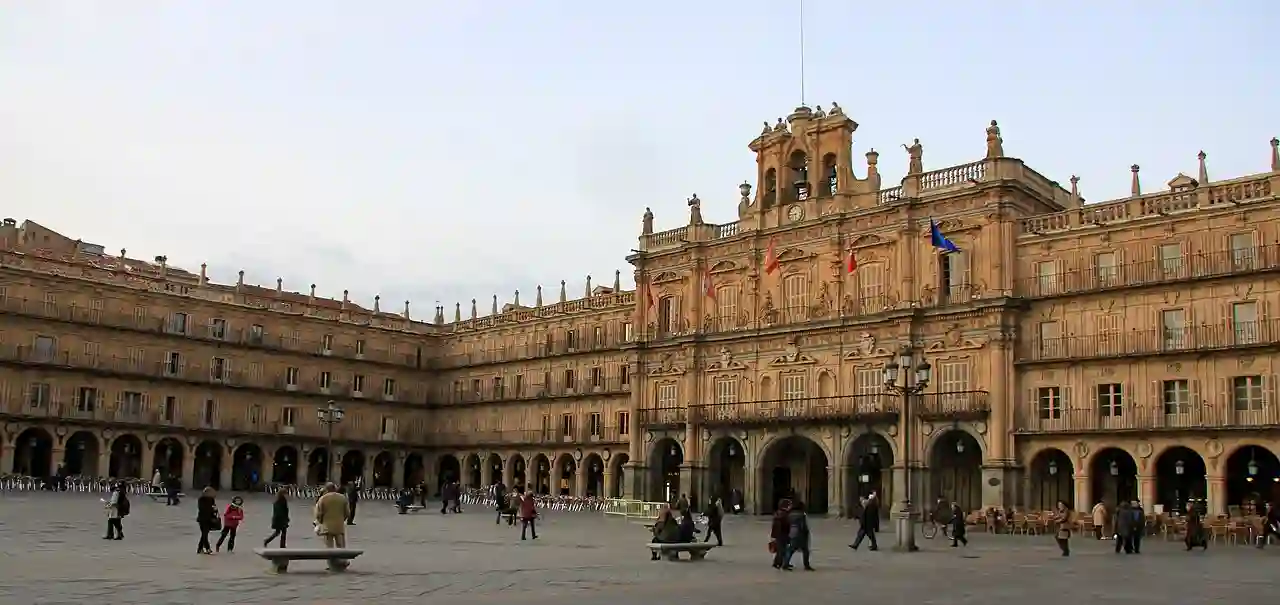
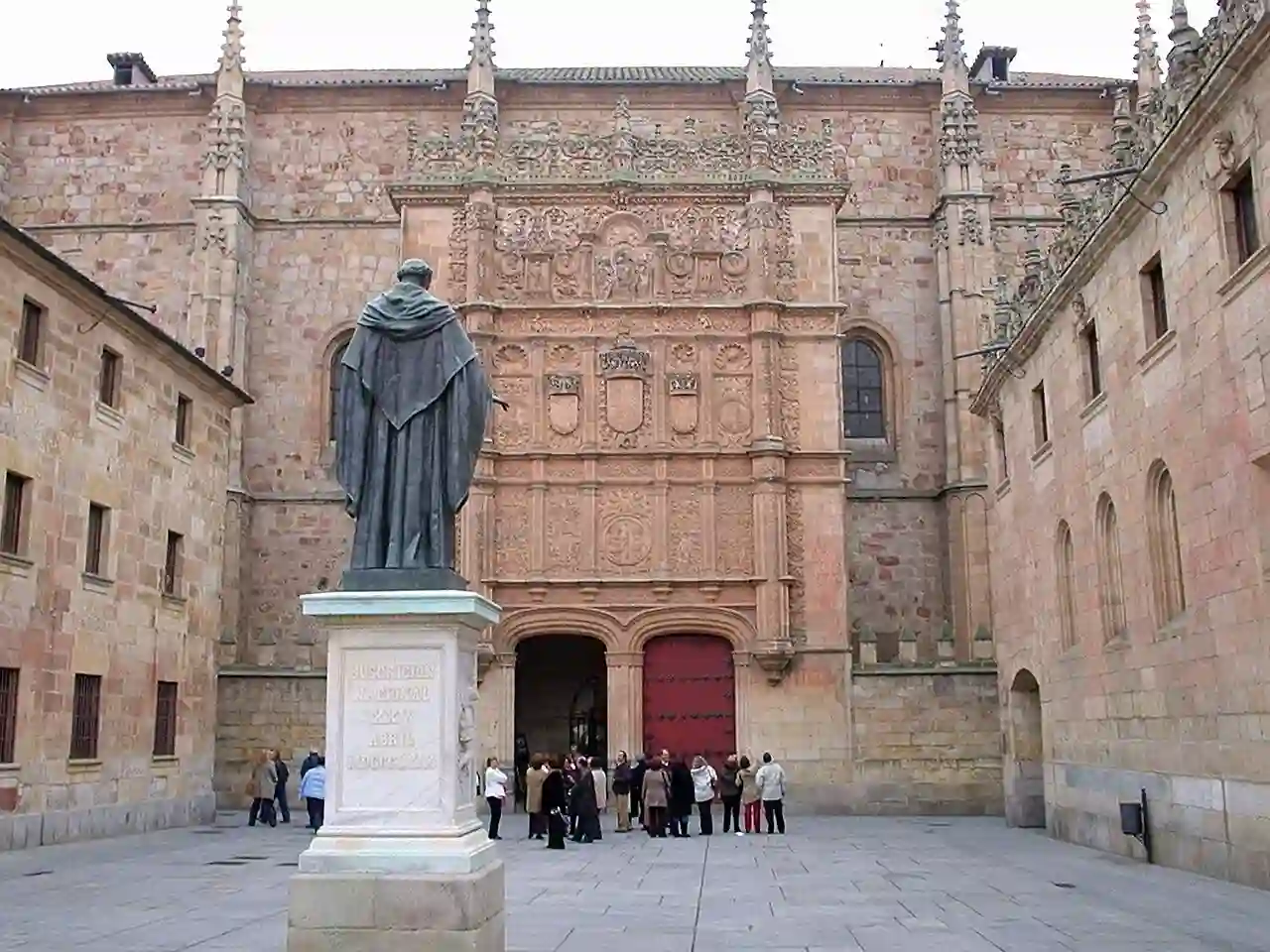
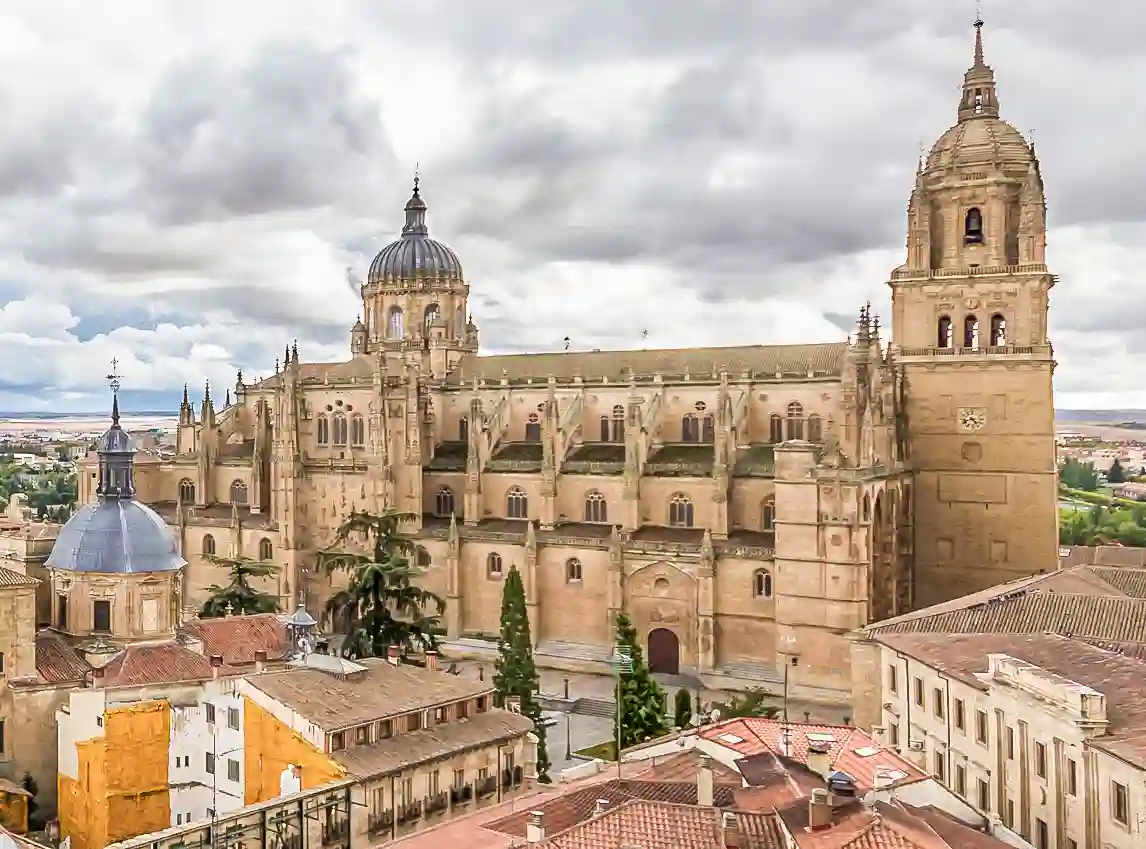
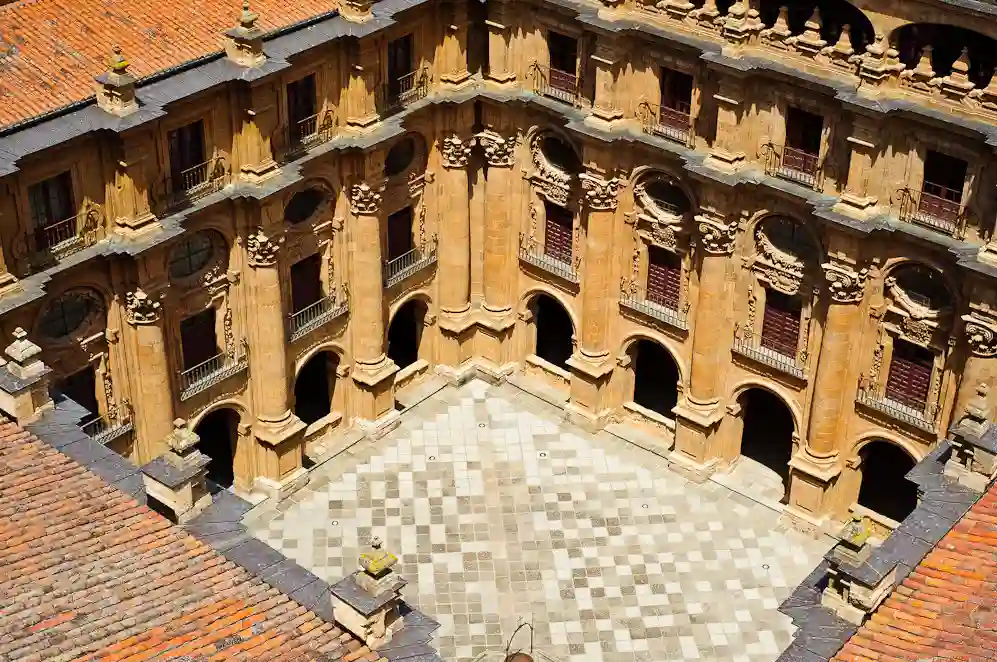
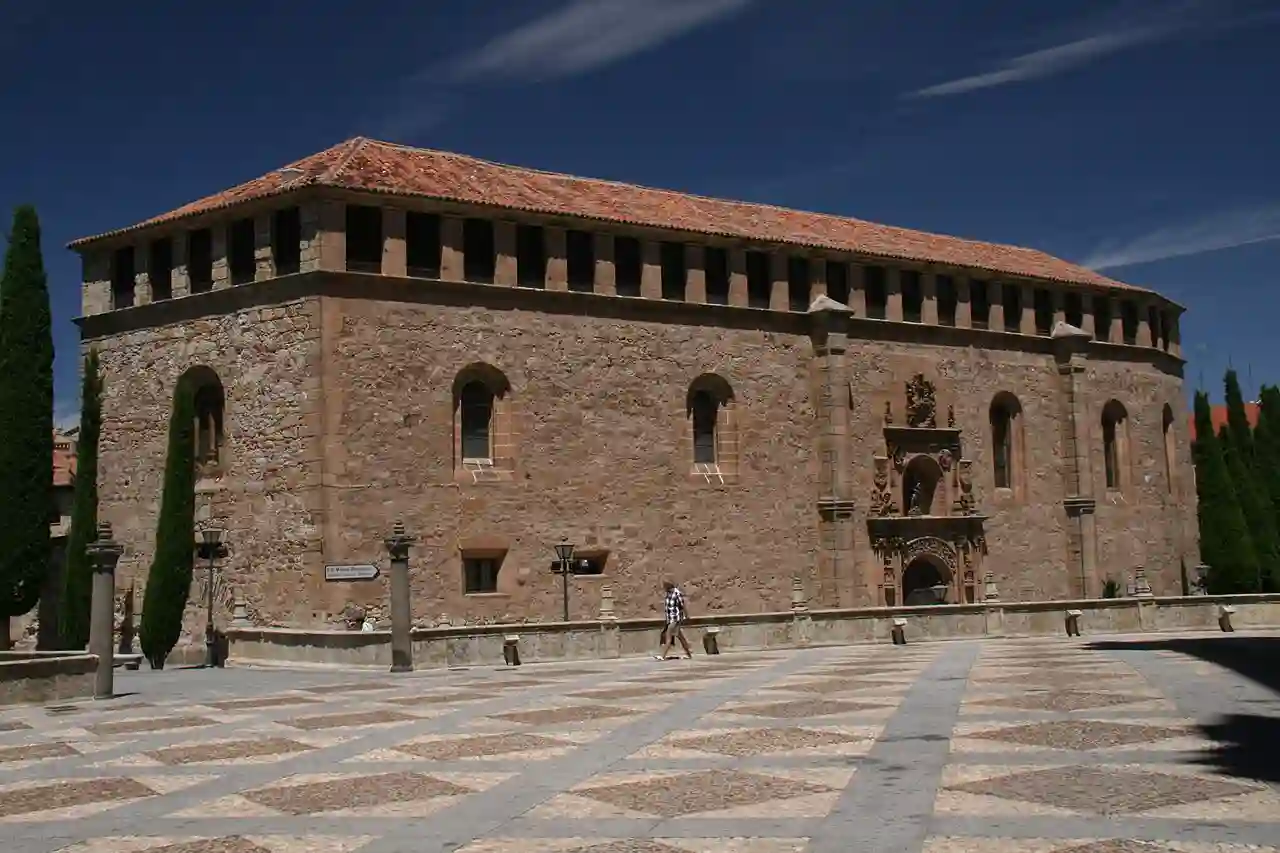
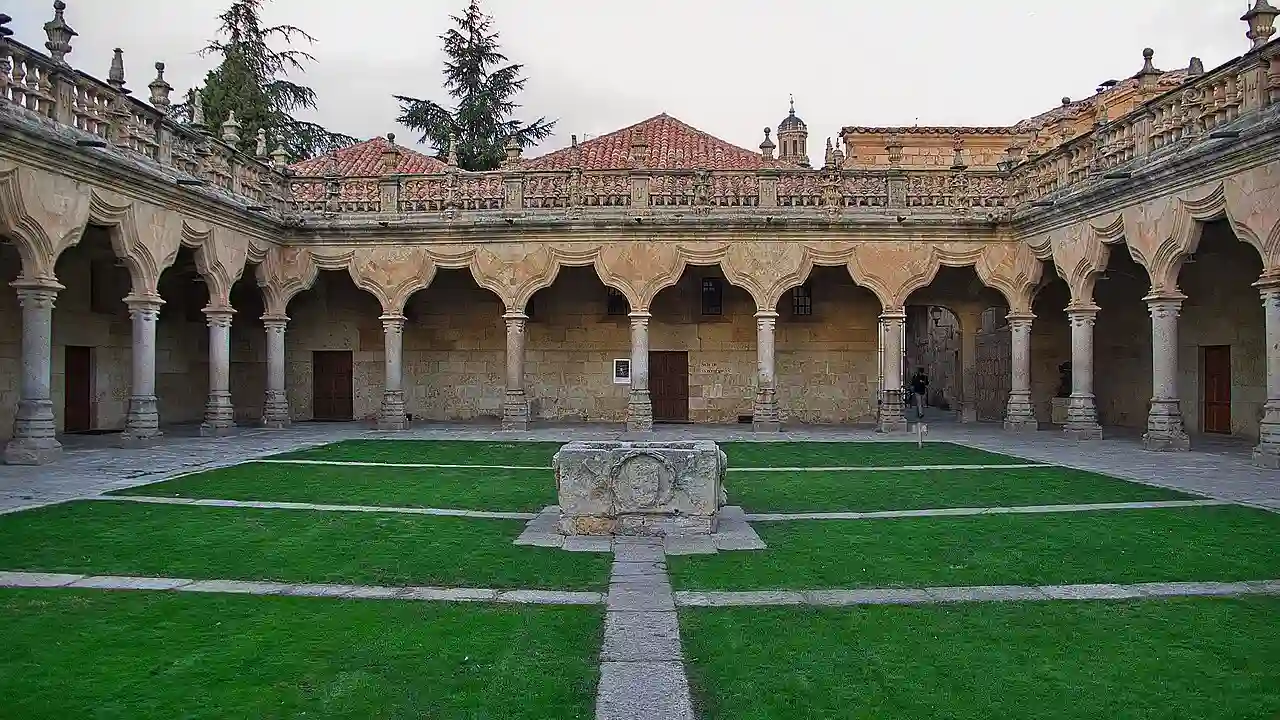
This historic city of Castile and León shines with its exceptional architectural heritage and cultural dynamism. Its historic center, listed as a UNESCO World Heritage site, reveals remarkable architectural gems: the majestic Plaza Mayor, the old and new cathedrals that stand side by side, and the prestigious university, one of the oldest in Europe. This academic institution gives the city a global reference status for teaching the Spanish language, attracting students and visitors from all over the world.
Geographical situation
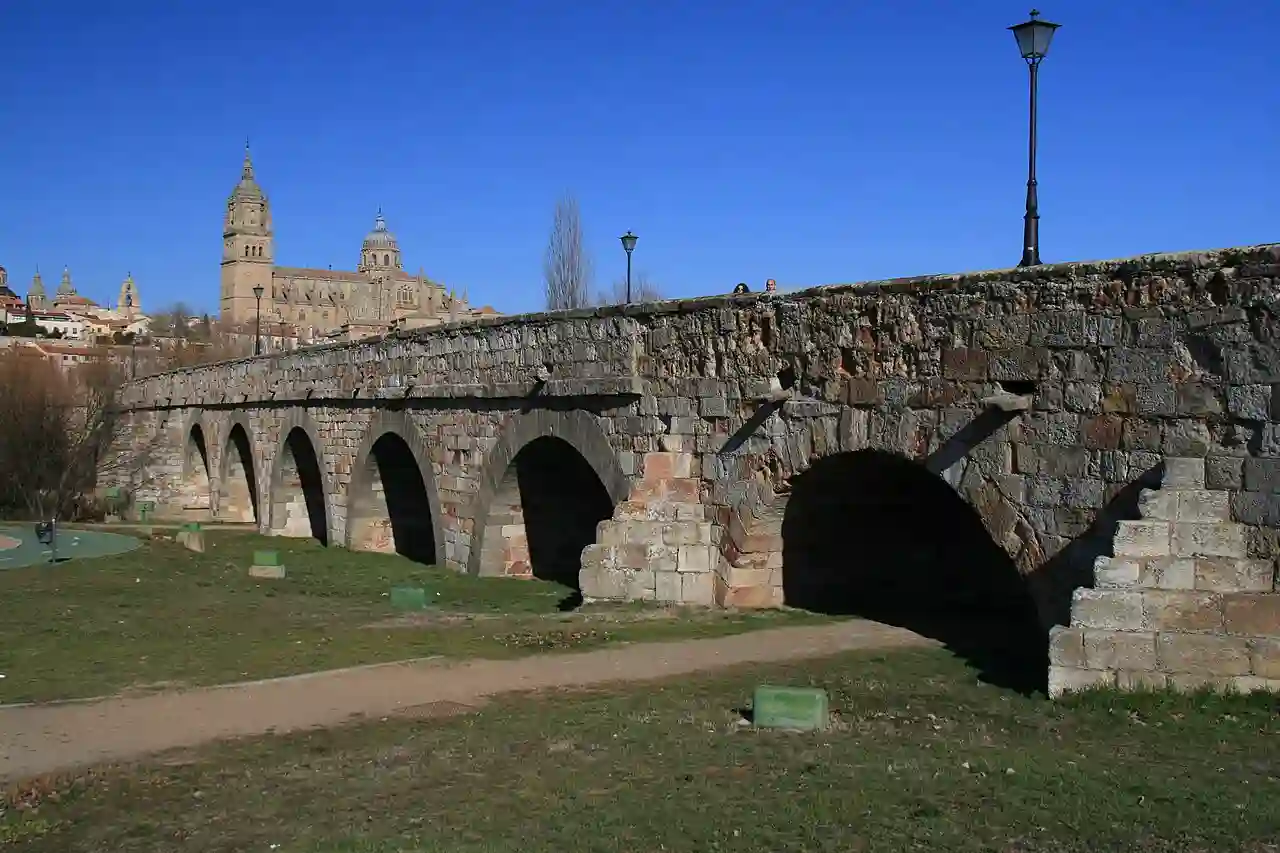
Perched at an altitude of about 800 meters on the Meseta plateau, the city thrives 220 kilometers northwest of Madrid. The Tormes River, a tributary of the Douro, gracefully winds through the city, adding a natural dimension to this urban landscape. This strategic position makes it a true crossroads between central and western Spain.
Ambiance and character
With its 144,000 inhabitants, the city cultivates a perfect balance between historical grandeur and contemporary vitality. The university injects a young and cosmopolitan energy, creating a cultural mosaic enriched by both national and international students. The cobbled streets resonate with lively conversations, the squares come alive with spontaneous meetings, while cafés and bars weave the heart of an especially rich and welcoming social life.
Climate
The continental climate features four distinct seasons. Winter brings its freshness with average temperatures of 4°C in January, while summer unfolds its dry heat reaching 22°C in July. Rainfall, moderate throughout the year, mainly concentrates in spring and autumn, offering the city varied climatic nuances.
Best season to visit
The period from May to September reveals the destination in its best light, combining pleasant temperatures and generous daylight. These months provide ideal conditions to explore architectural treasures and enjoy urban vibrancy. However, it should be noted that during school holidays, the student atmosphere temporarily fades with the departure of students.
Access
From Madrid, several options are available to travelers. Trains leave from the Madrid-Atocha or Madrid-Chamartín stations, while coach connections operate from the Conde de Casal metro station. The journey takes between 2 and 4 hours depending on the chosen mode of transportation. Renting a vehicle at Madrid airport also allows for reaching the destination by road independently.
Internal transport
An efficient urban bus network serves all neighborhoods, facilitating movement throughout the city. The remarkably compact historic center is ideally suited for walking tours, allowing full appreciation of the authenticity of its alleys and squares. For longer or specific trips, taxis provide a practical and quick solution.
Top 50
Wikipedia
Viator activities
Tiqets activities
Top 50
Reviews
Log in for free to add a review and discover others'.