

Sardinia
General presentation
Top 50
History, culture & traditions
Travel advice
Wikipedia
Viator activities
Tiqets activities
General presentation
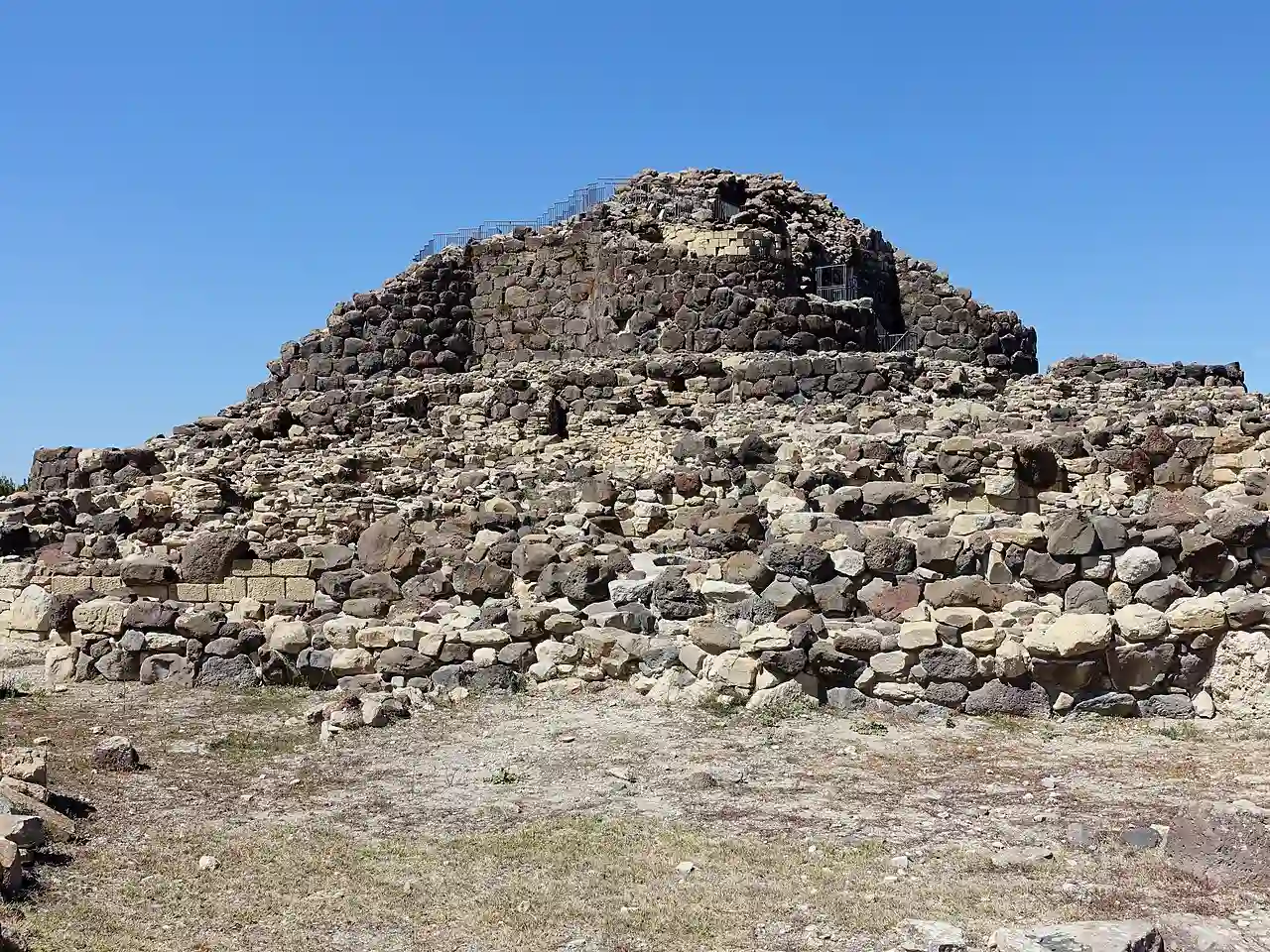
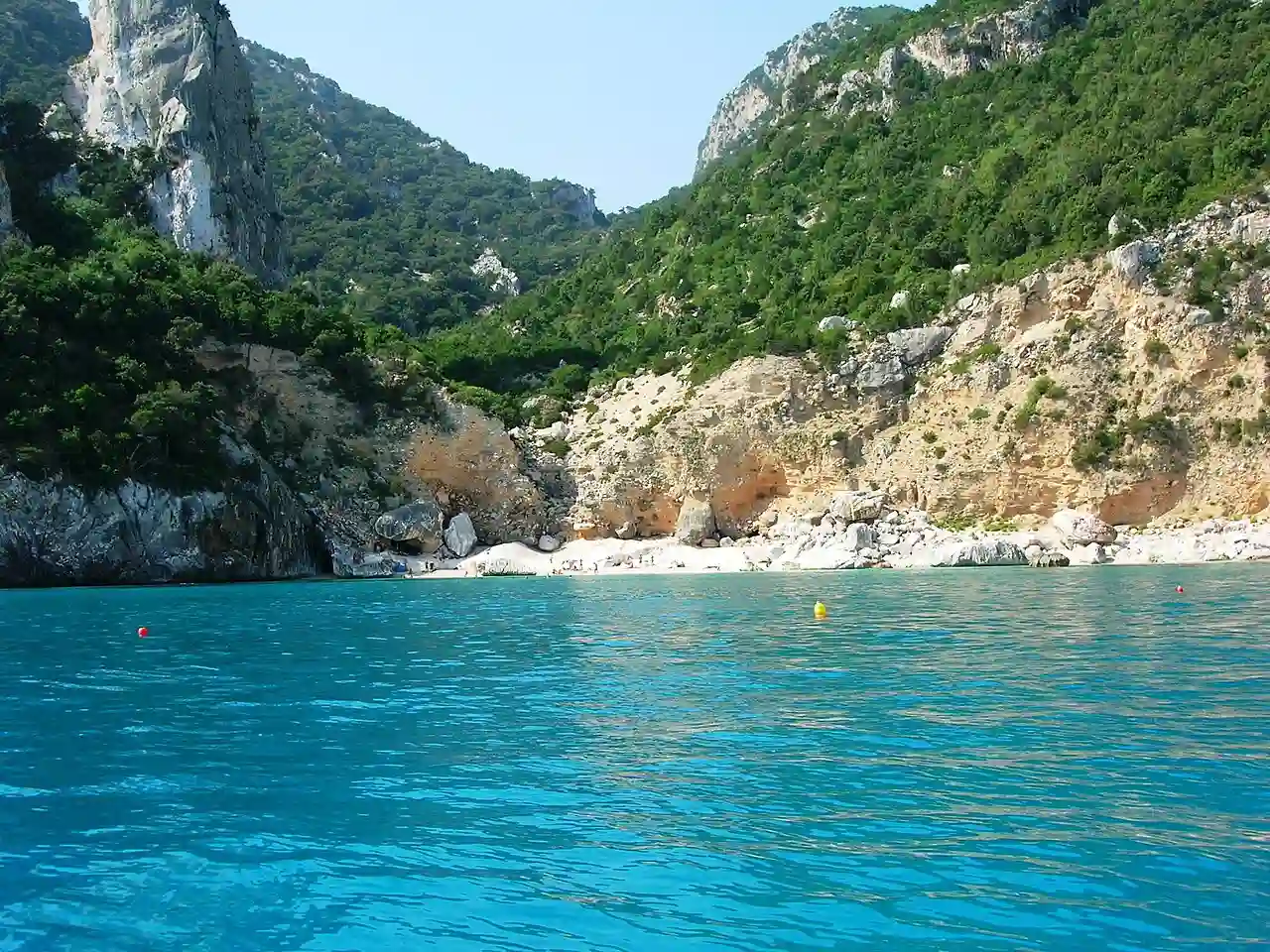
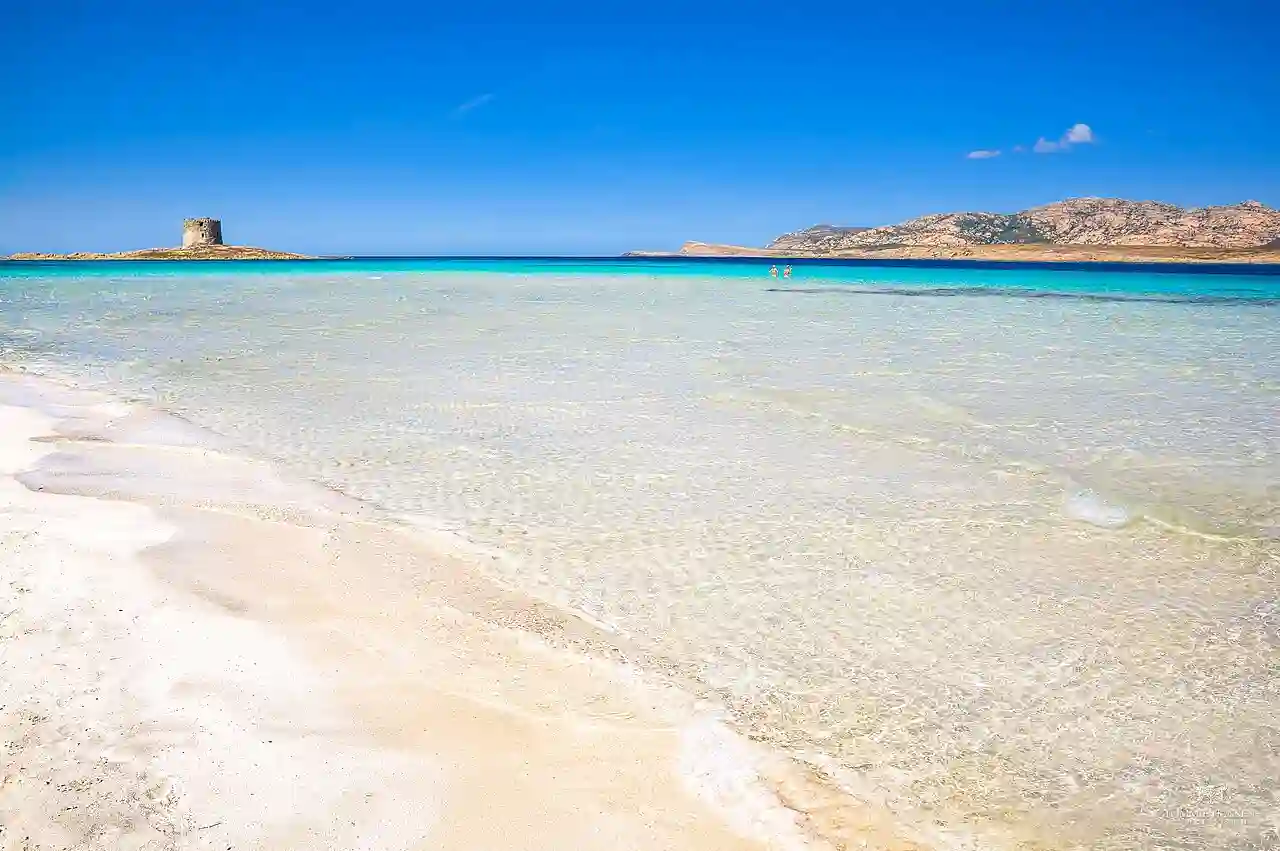
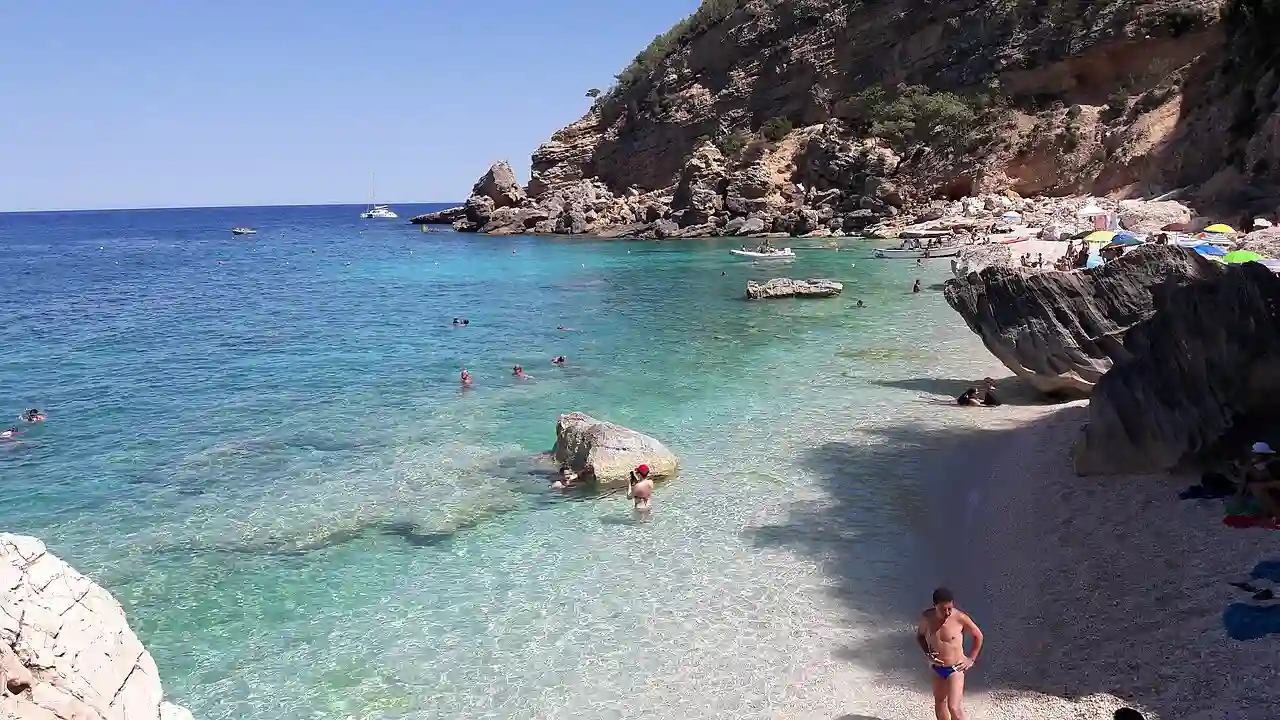
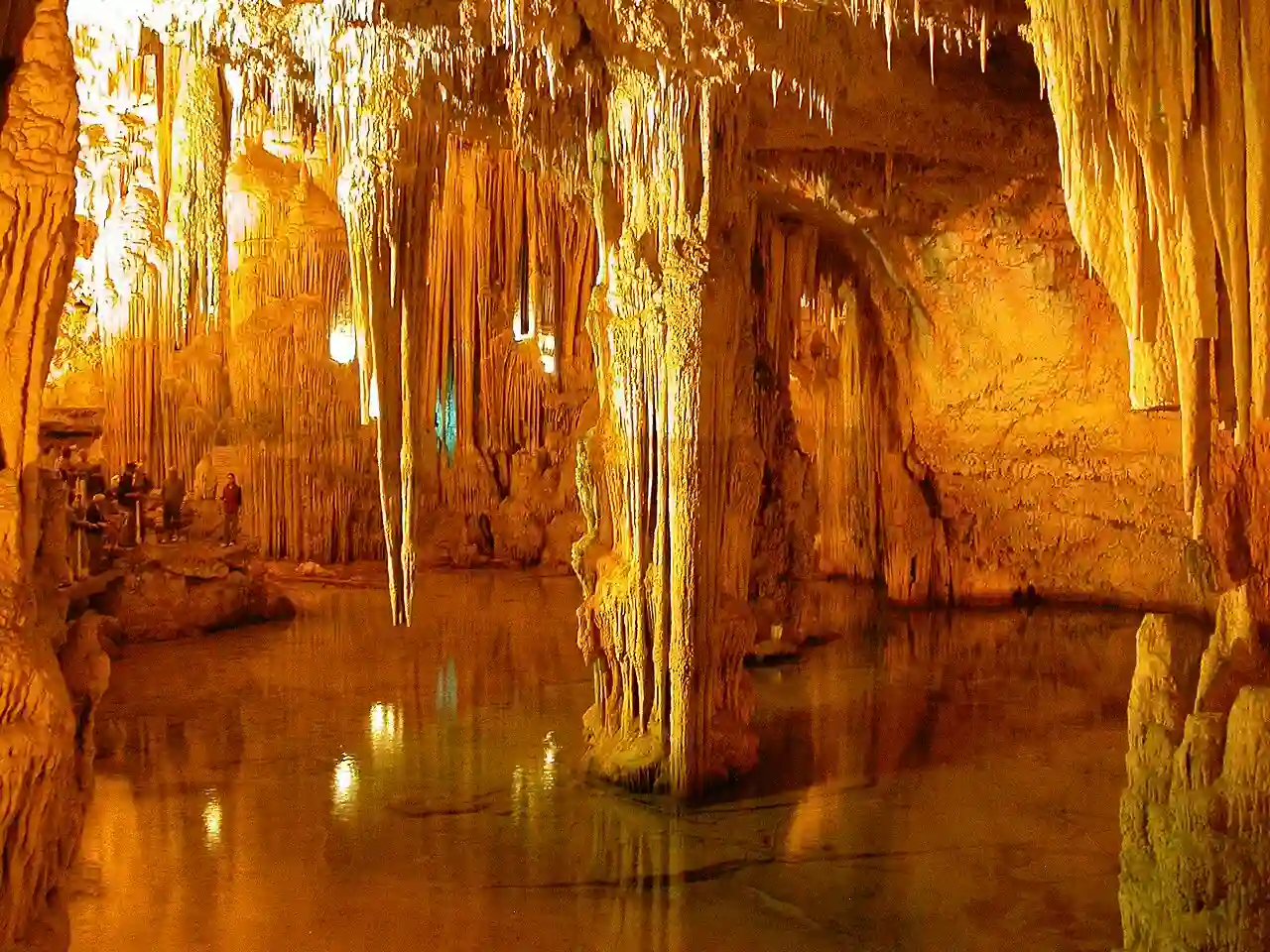
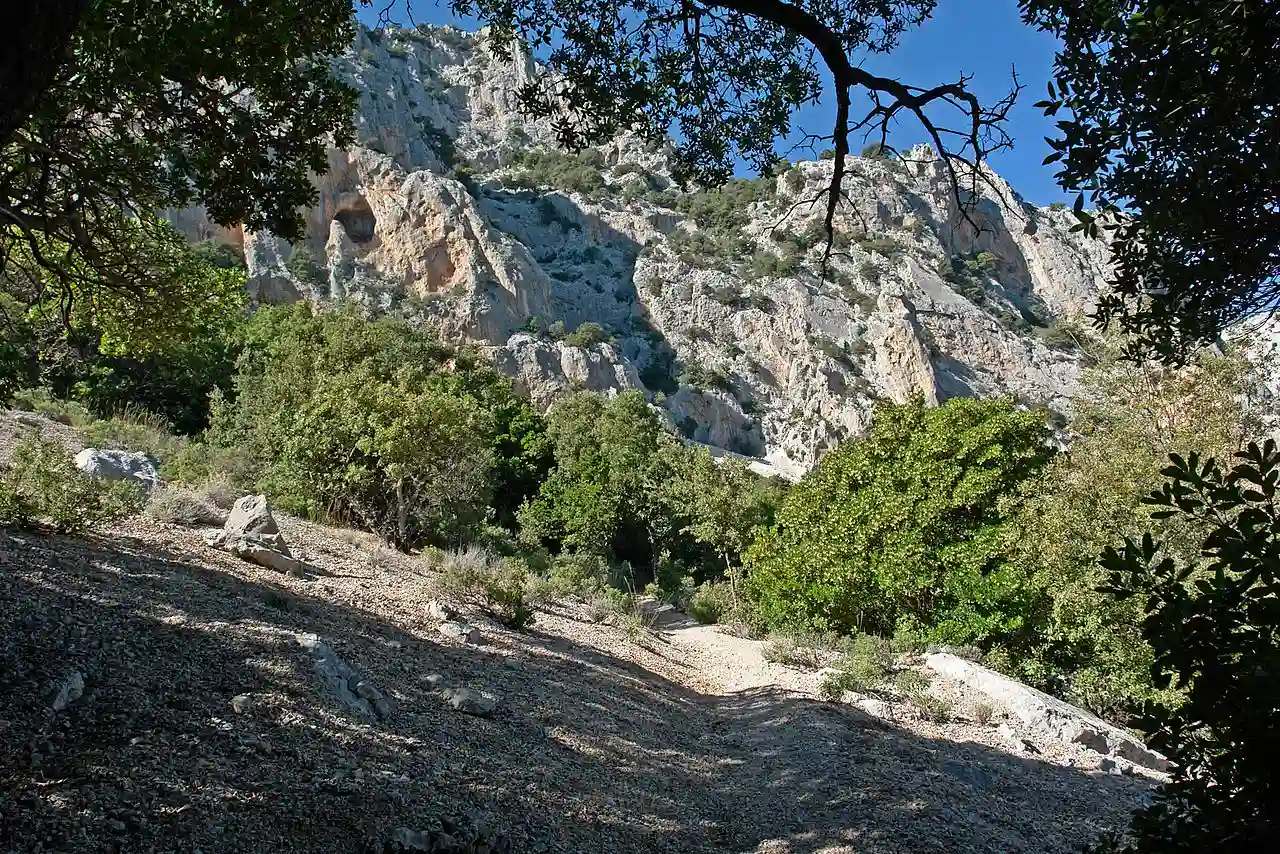
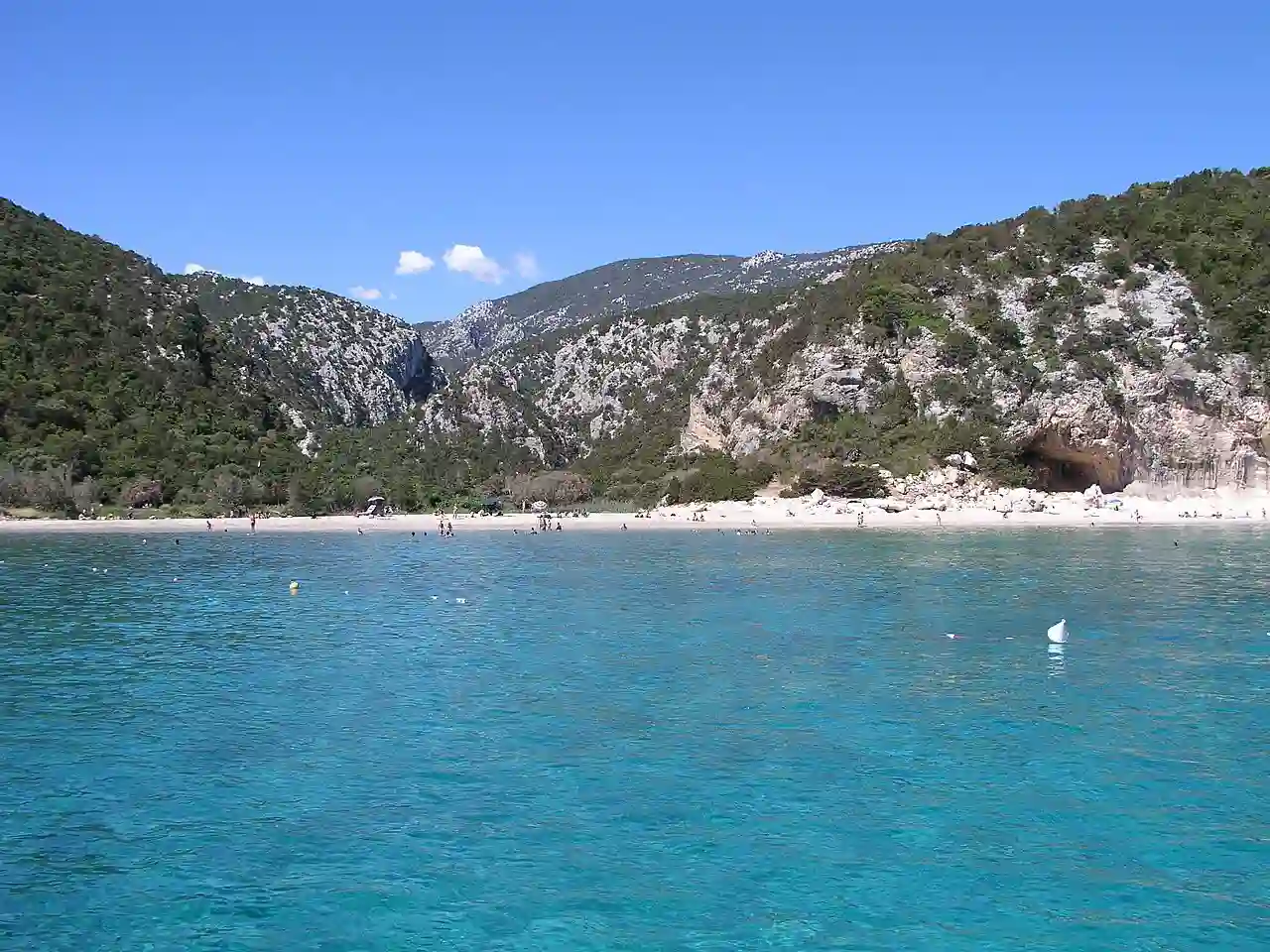
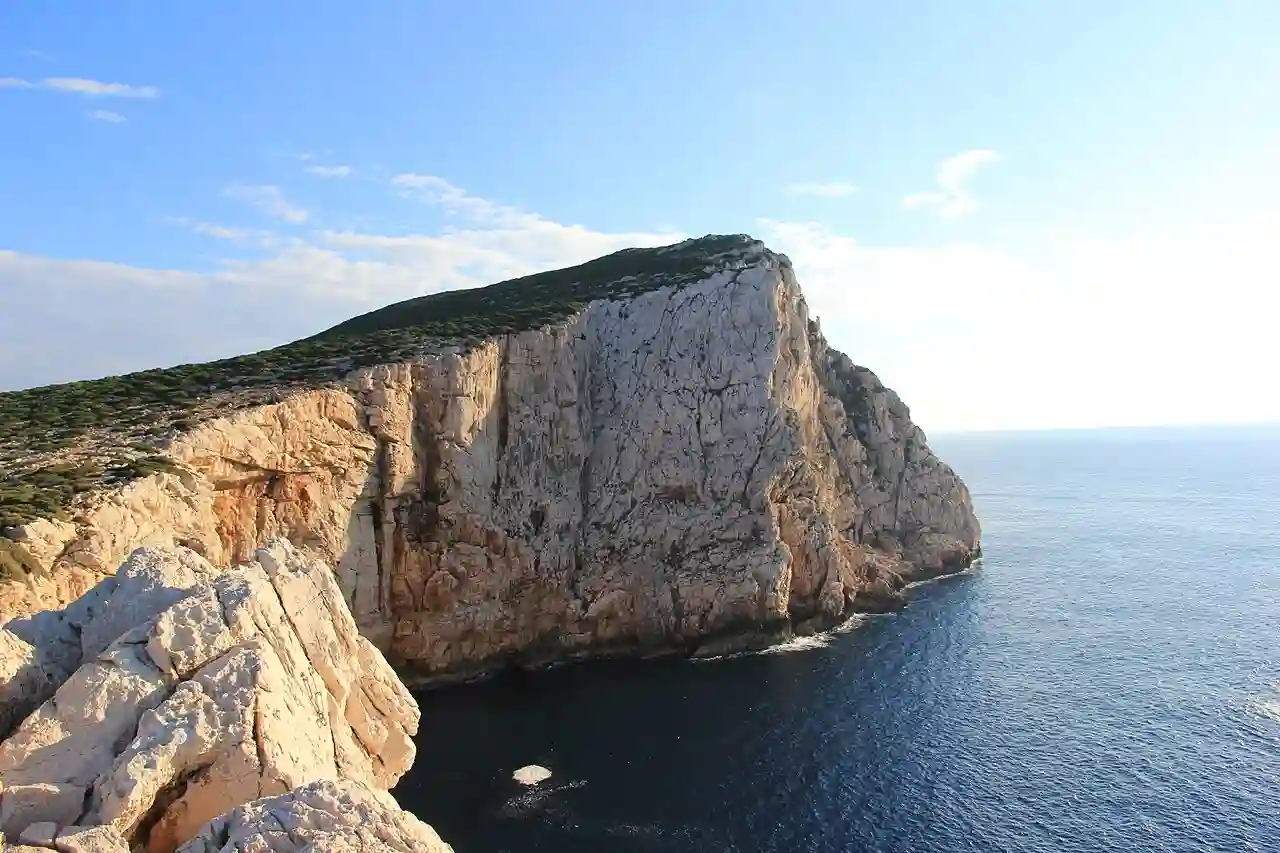
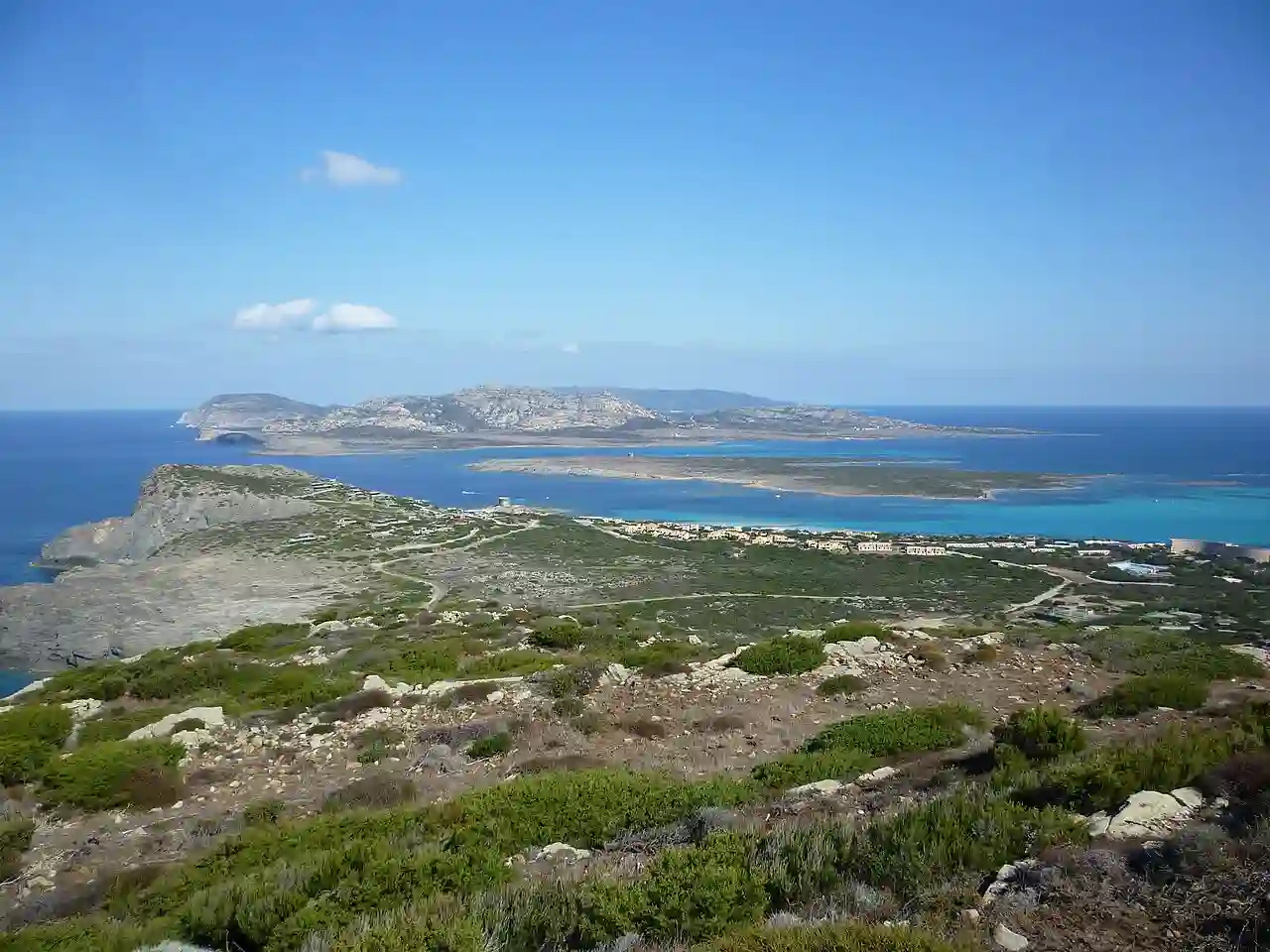
As the second largest island in the Mediterranean after Sicily, this land of 24,000 km² offers a remarkable diversity of landscapes where wild mountains, rolling hills, and crystal-clear beaches mix. The island charms with its rich historical heritage, fascinating archaeological remains, and vibrant cultural traditions. Its authentic gastronomy and preserved nature make it a top destination for lovers of cultural discoveries and natural getaways, in a peaceful atmosphere away from the hustle and bustle of major tourist destinations.
Geographical location
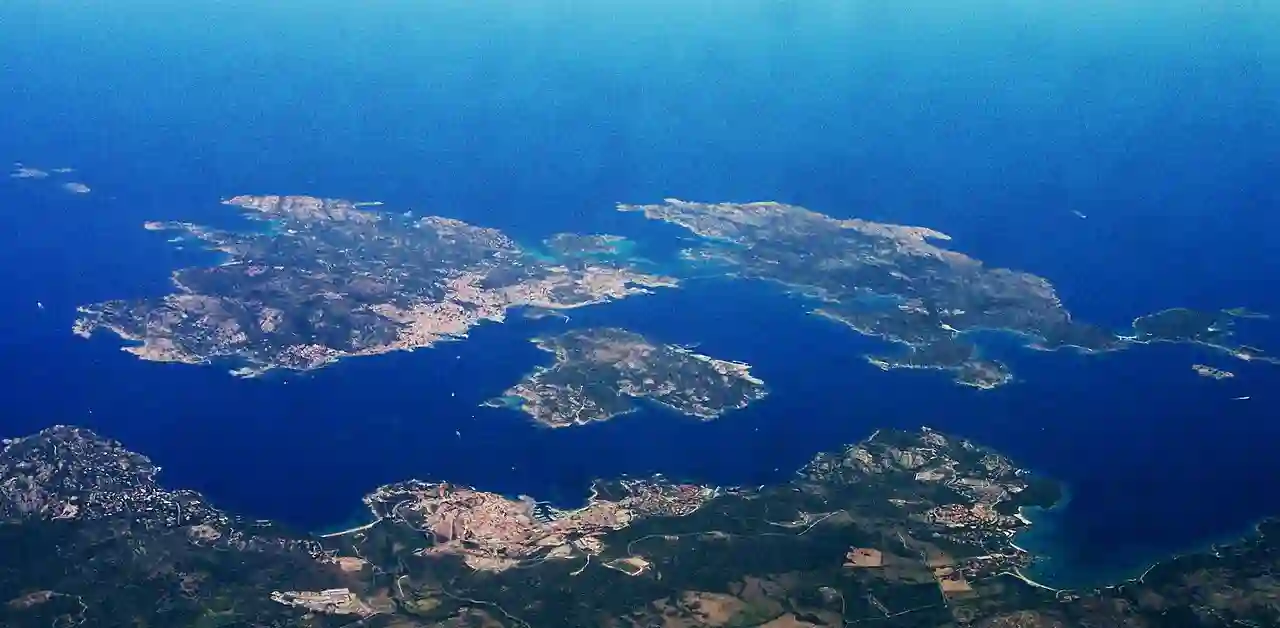
Positioned in the heart of the western Mediterranean, the island is washed by the Tyrrhenian Sea to the east and the Sardinian Sea to the west. It lies just 13 km south of Corsica, which it is separated from by the Strait of Bonifacio, while 227 km separate it from the Tunisian coasts to the south. The Italian mainland remains accessible from the northeast coast, which is 243 km away from Civitavecchia.
Atmosphere and character
The atmosphere here is one of preserved authenticity and soothing tranquility. The picturesque villages reveal a traditional way of life where the warm welcome of the inhabitants contributes to creating a friendly and welcoming ambiance. Traditional festivals punctuate local life while the regional cuisine offers a rich and immersive cultural experience, reflecting a carefully preserved ancestral culinary heritage.
Climate
The Mediterranean climate characterizes the island with its hot, dry summers contrasting with mild, humid winters. Summer temperatures generally rise around 30°C, while in winter, the thermometer rarely drops below 10°C on the coast. Precipitation mainly occurs in autumn and winter, giving way to generally dry and sunny summers.
Best time to visit
The ideal period extends over the months of May, June, and September, offering particularly pleasant weather with mild temperatures. These months have the advantage of reduced tourist crowds, allowing for a serene enjoyment of the paradise beaches and cultural sites in optimal conditions for discovery.
Access
The island is served by air travel thanks to three main airports located in Cagliari, Olbia, and Alghero, offering regular connections to many European destinations. Maritime access is provided by ferries ensuring frequent links with the Italian mainland from the ports of Civitavecchia, Genoa, and Livorno, as well as with nearby Corsica.
Internal transportation
The public transportation network includes bus lines connecting the main cities and villages of the island. However, renting a car often proves essential for freely exploring the territory, particularly to reach remote rural areas and secluded beaches. Taxi services complement the transportation options in urban areas.
Top 50
Wikipedia
Viator activities
Tiqets activities
Top 50
Reviews
Log in for free to add a review and discover others'.