


Bamberg
General presentation
Top 50
History, culture & traditions
Travel advice
Wikipedia
Viator activities
Tiqets activities
Overview
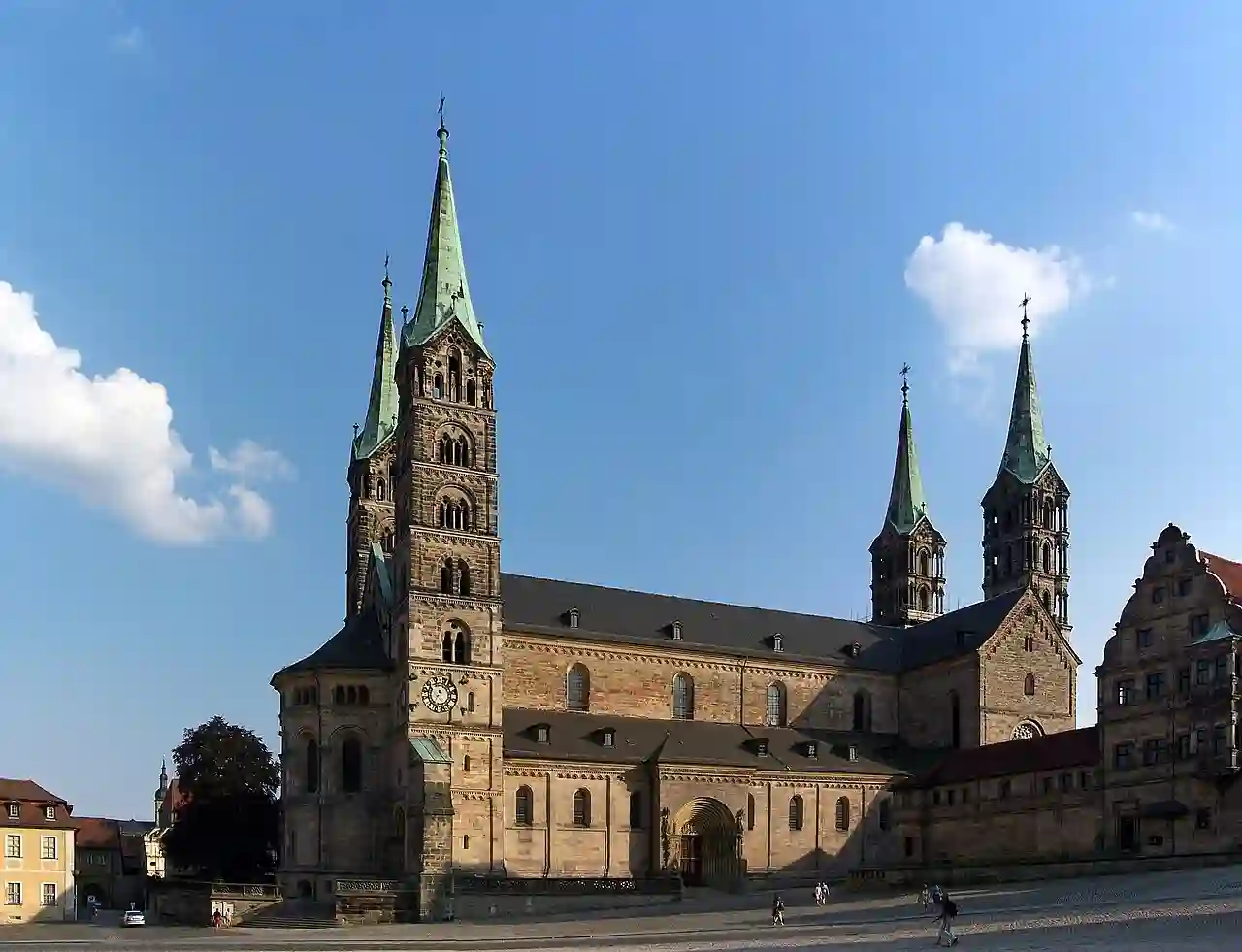
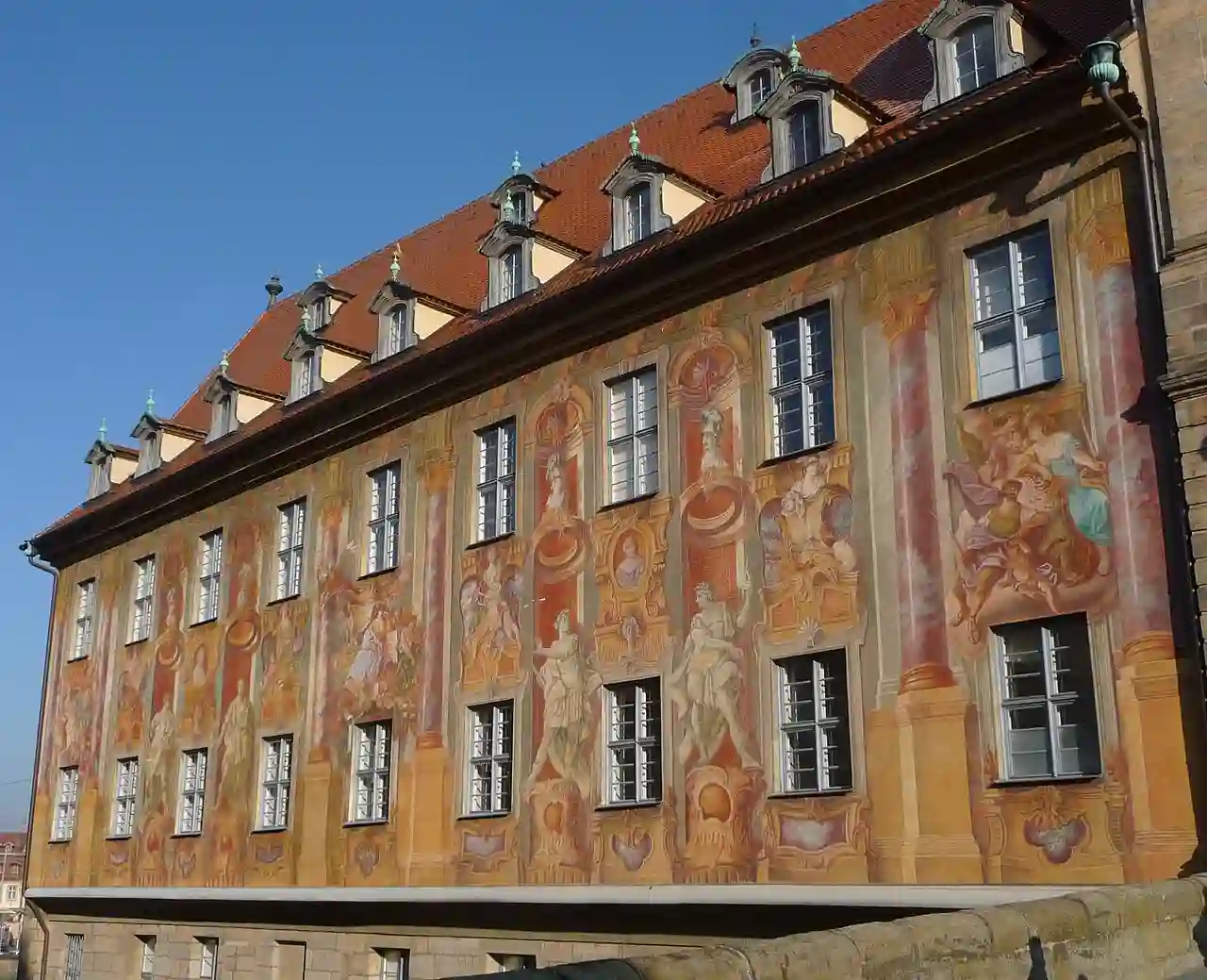
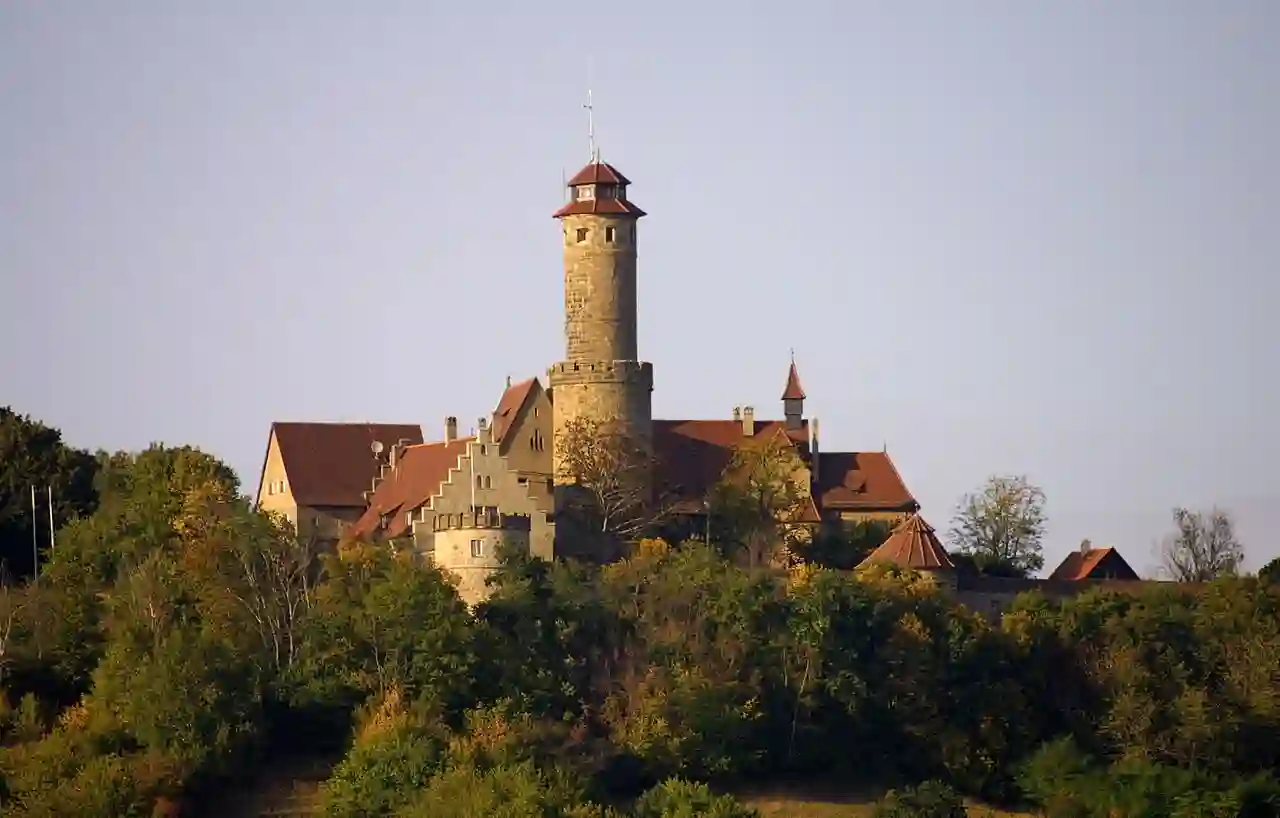
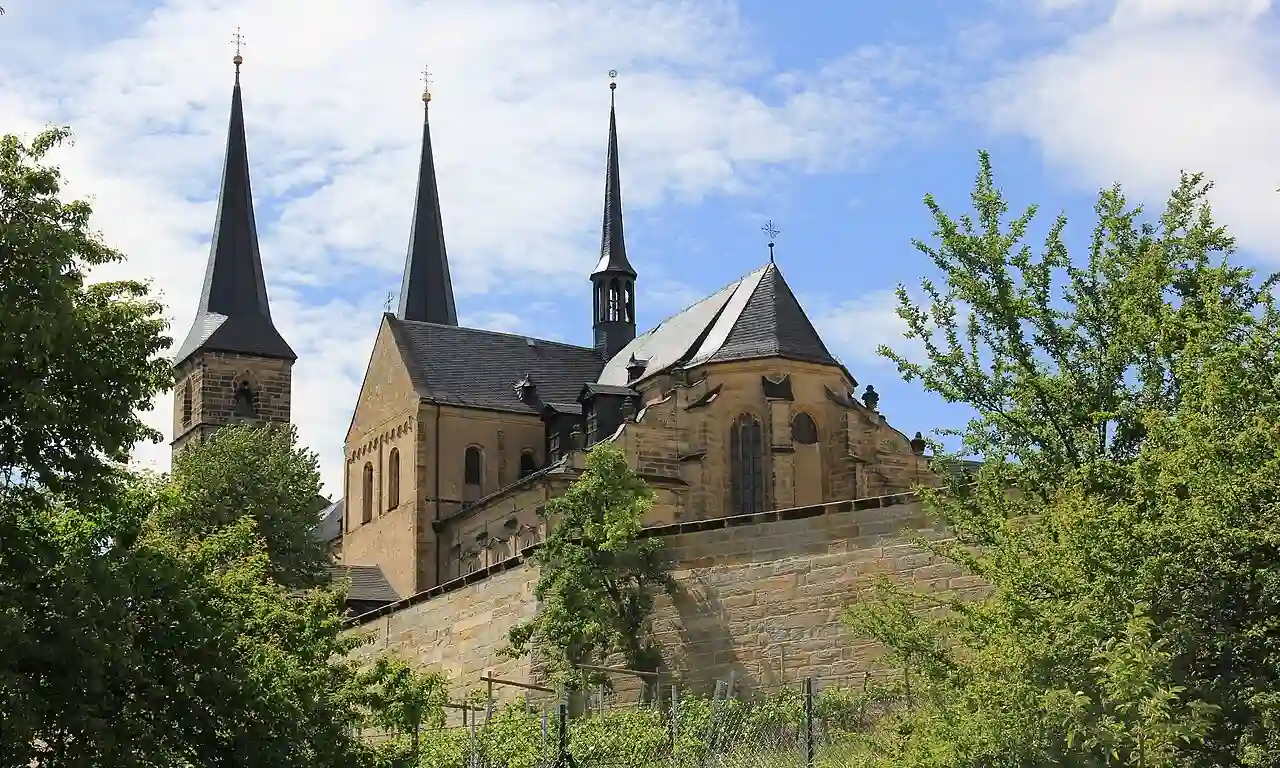
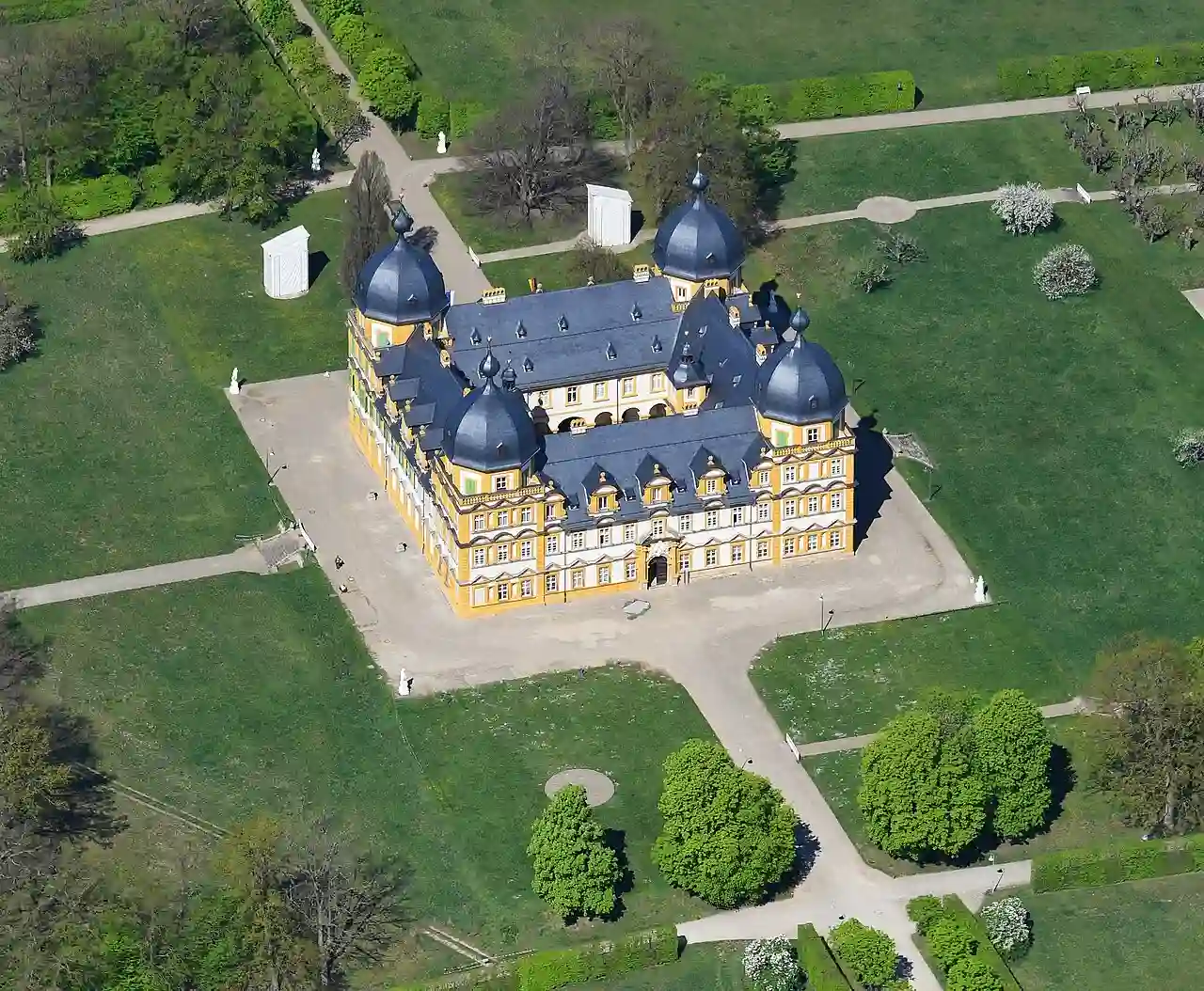
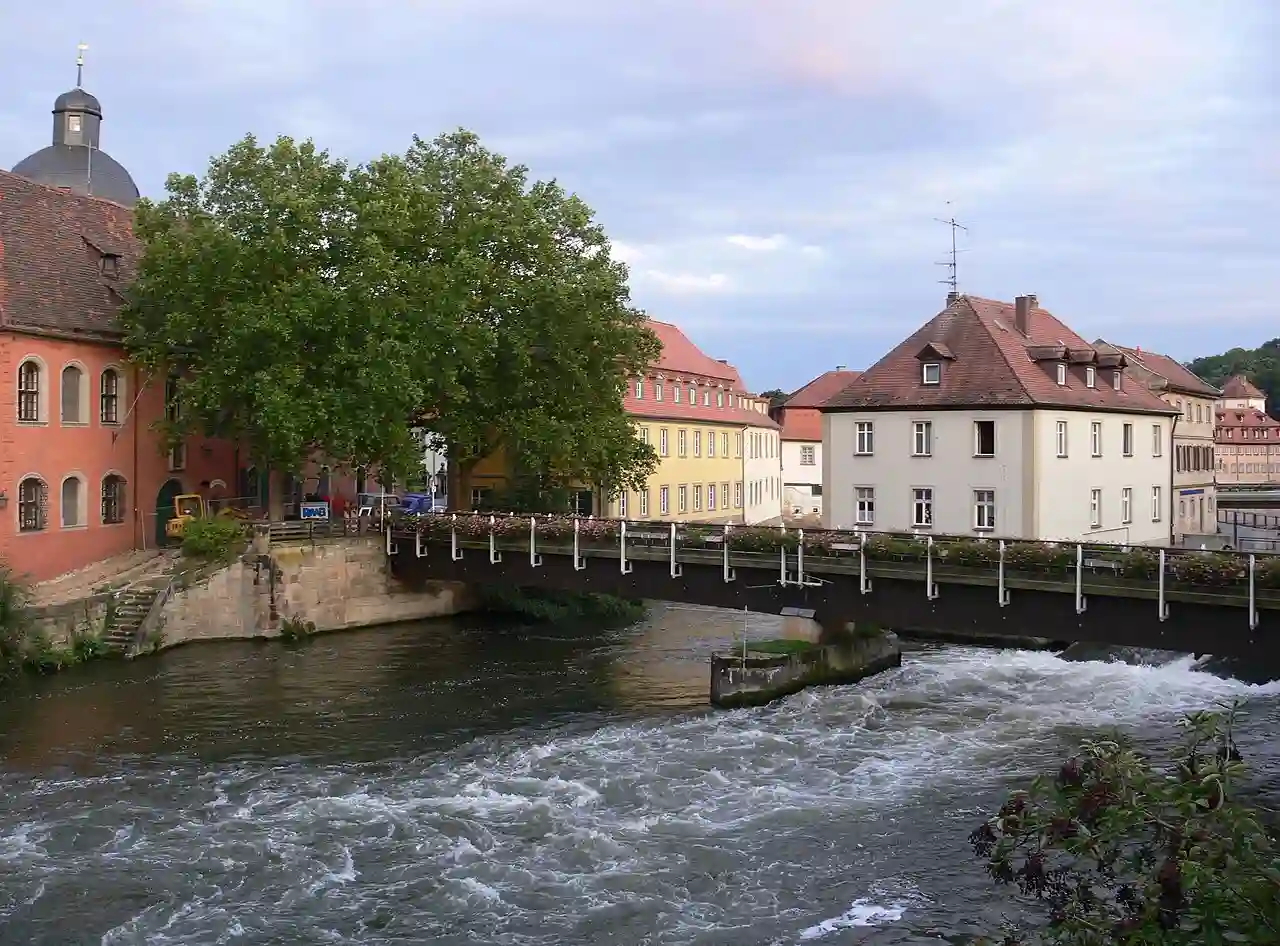
Nicknamed the "Franconian Rome," Bamberg is a gem of Bavaria that fascinates with its exceptional heritage. Built on seven hills and crossed by the Regnitz River, this city offers an urban landscape of striking beauty. Its historic center, listed as a UNESCO World Heritage site since 1993, bears witness to over a thousand years of history through its remarkably preserved medieval and baroque buildings, including St. Peter and St. George Cathedral and the iconic Old Town Hall. Beyond its architecture, Bamberg perpetuates a centuries-old brewing tradition with its many local breweries producing uniquely flavored beers.
Geographical location
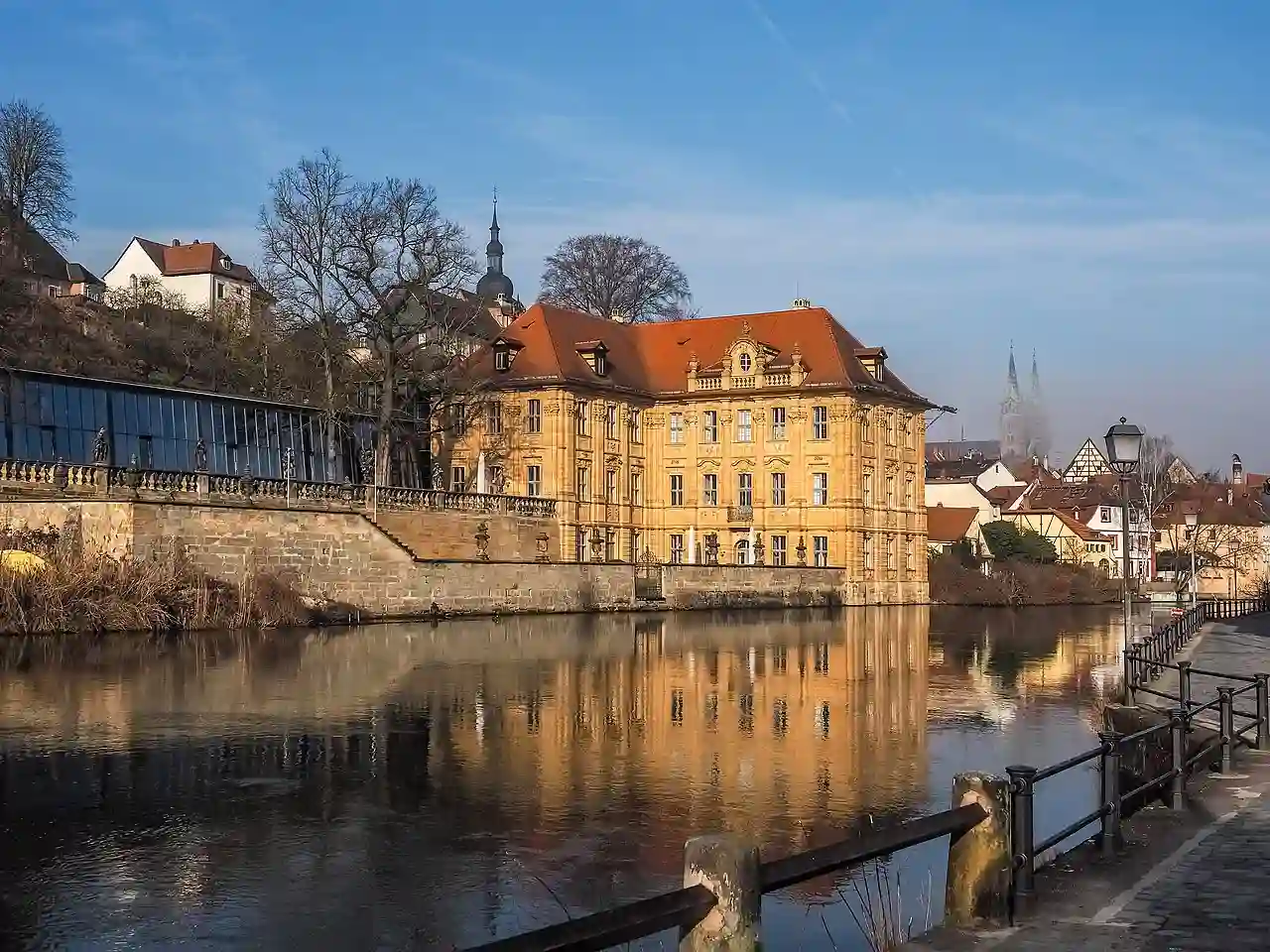
Situated in the north of the state of Bavaria, in Upper Franconia, the city is located about 50 kilometers north of Nuremberg. It flourishes near the confluence of the Regnitz and Main Rivers, extending harmoniously over a series of hills and in the surrounding valley. The unique urban planning of Bamberg takes advantage of the riverbanks and the island that separates its two branches, creating a unique and picturesque geographical ensemble.
Atmosphere and character
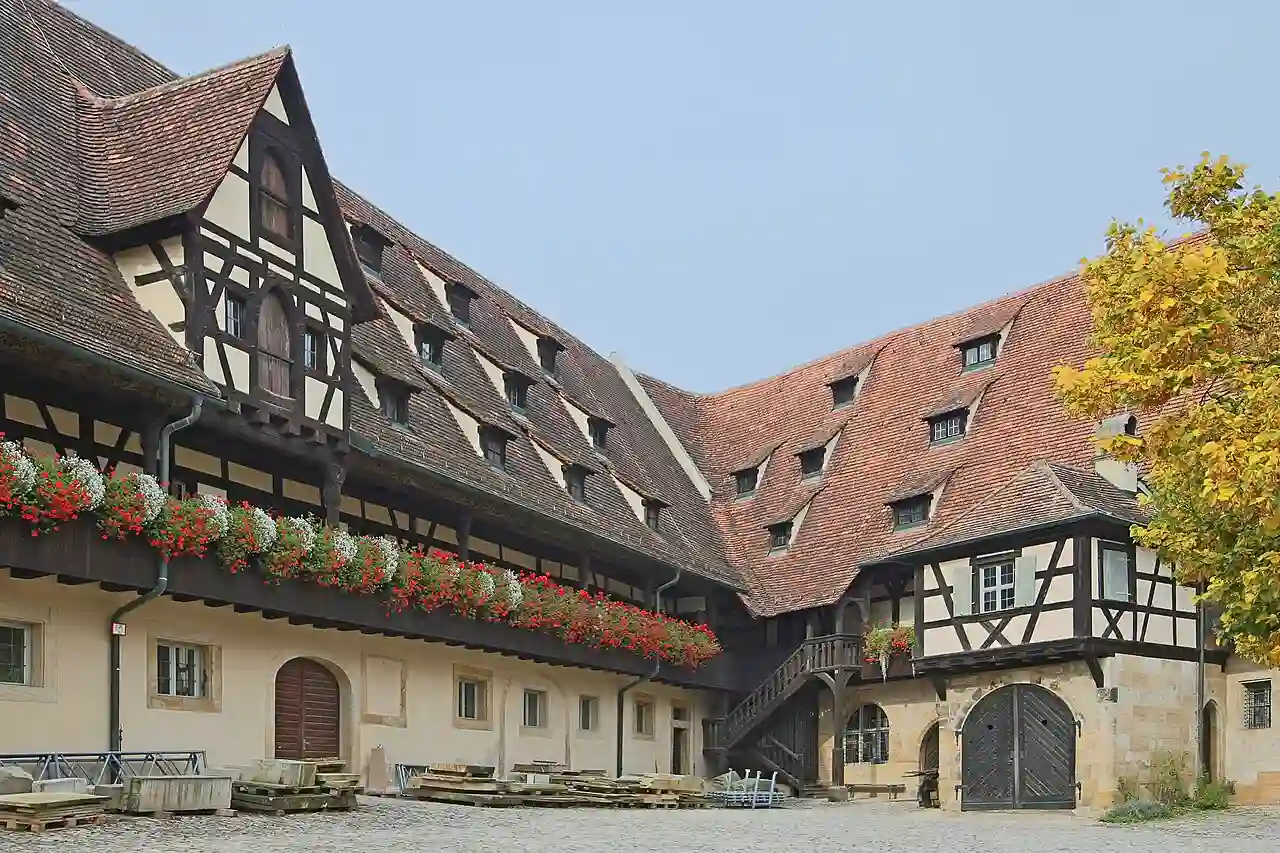
The atmosphere of Bamberg immediately evokes romance and history, with its winding cobblestone streets, colorful half-timbered houses, and numerous bridges gracefully spanning the Regnitz. The cultural life here is particularly vibrant, notably supported by the prestigious Bamberger Symphoniker orchestra, internationally recognized. Local traditions remain lively, as evidenced by the famous Sandkerwa folk festival that enlivens the city each July, enhancing the authentic and warm character of this Franconian city.
Climate
The city enjoys a warm temperate climate characterized by regular precipitation throughout the year. Summers are generally mild and pleasant, with average temperatures ranging between 22 and 28°C, while winters remain moderate with temperatures around 5°C in January. Precipitation is relatively evenly distributed over the twelve months, with a slight peak observed in June.
Best season to visit
The optimal period to discover Bamberg extends from May to October, when weather conditions are most favorable. This period coincides with many cultural events, including:
- The opening of the beer garden season
- The Sandkerwa festival in July
- Summer cultural events
However, each season reveals its own attractions, allowing for an enriching visit throughout the year.
Access
Visitors have several options to reach the destination:
By plane: Nuremberg International Airport, located about 60 kilometers away, serves as the main air gateway with connections to many European destinations.
By train: The German railway network efficiently serves the city with regional and national trains connecting Bamberg to major metropolises such as Nuremberg, Munich, and Frankfurt.
By road: The A70 and A73 highways facilitate road access and provide direct links to the German motorway network.
Internal transport
Local mobility is organized around several practical solutions:
- Bus network: An efficient public transport system covers the entire urban area
- Cycling: Numerous bike paths and bike rental services promote this eco-friendly mode of transport
- Walking: The compact historic center is ideally suited for exploration on foot, allowing for full appreciation of the charm of the streets and monuments
Top 50
Wikipedia
Viator activities
Tiqets activities
Top 50
Reviews
Log in for free to add a review and discover others'.