

Carcassonne
General presentation
Top 50
History, culture & traditions
Travel advice
Wikipedia
Viator activities
Tiqets activities
Overall presentation
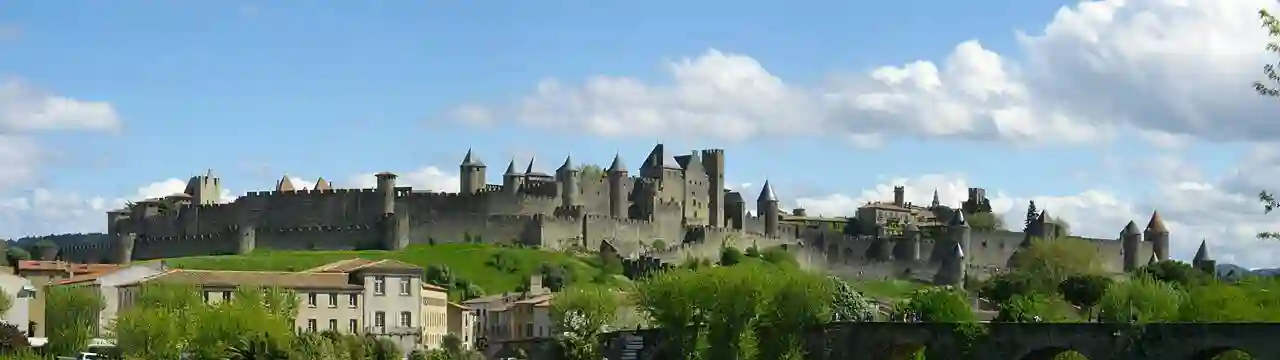
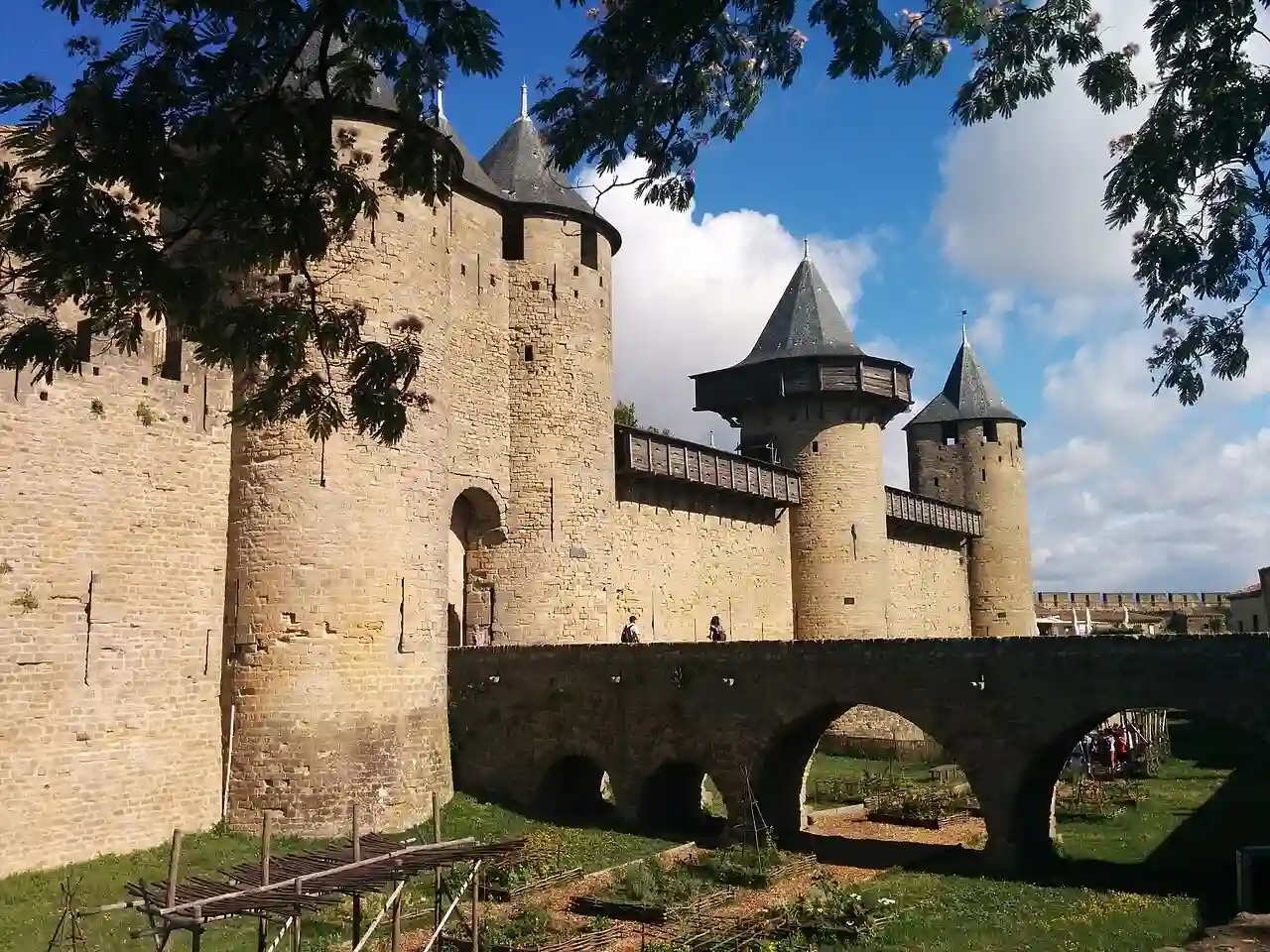
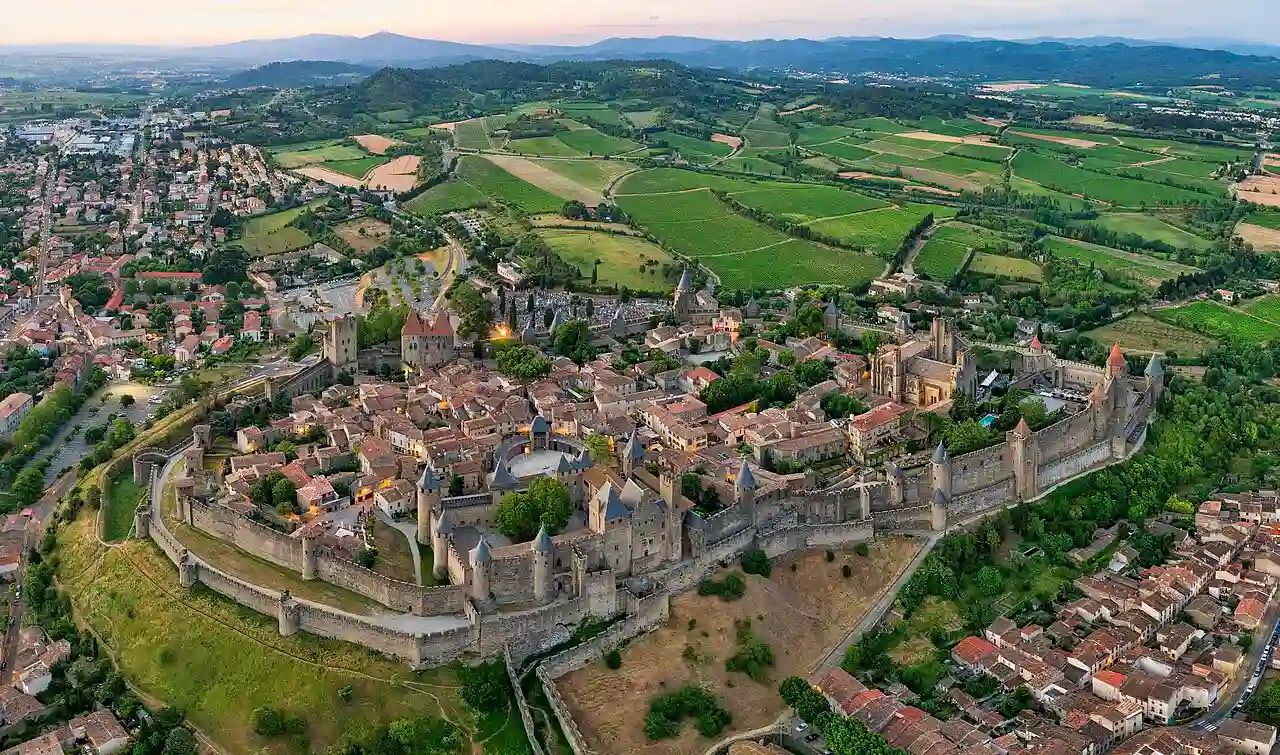
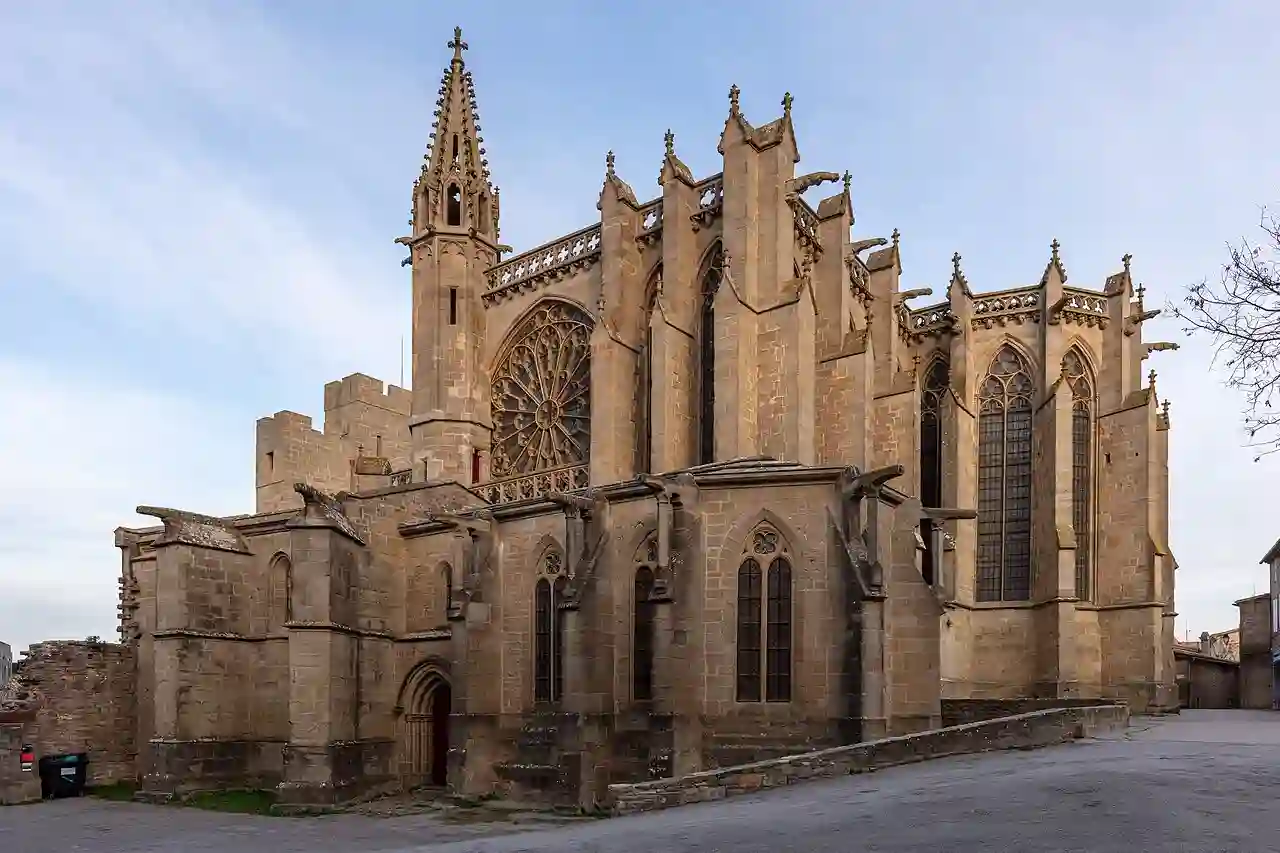
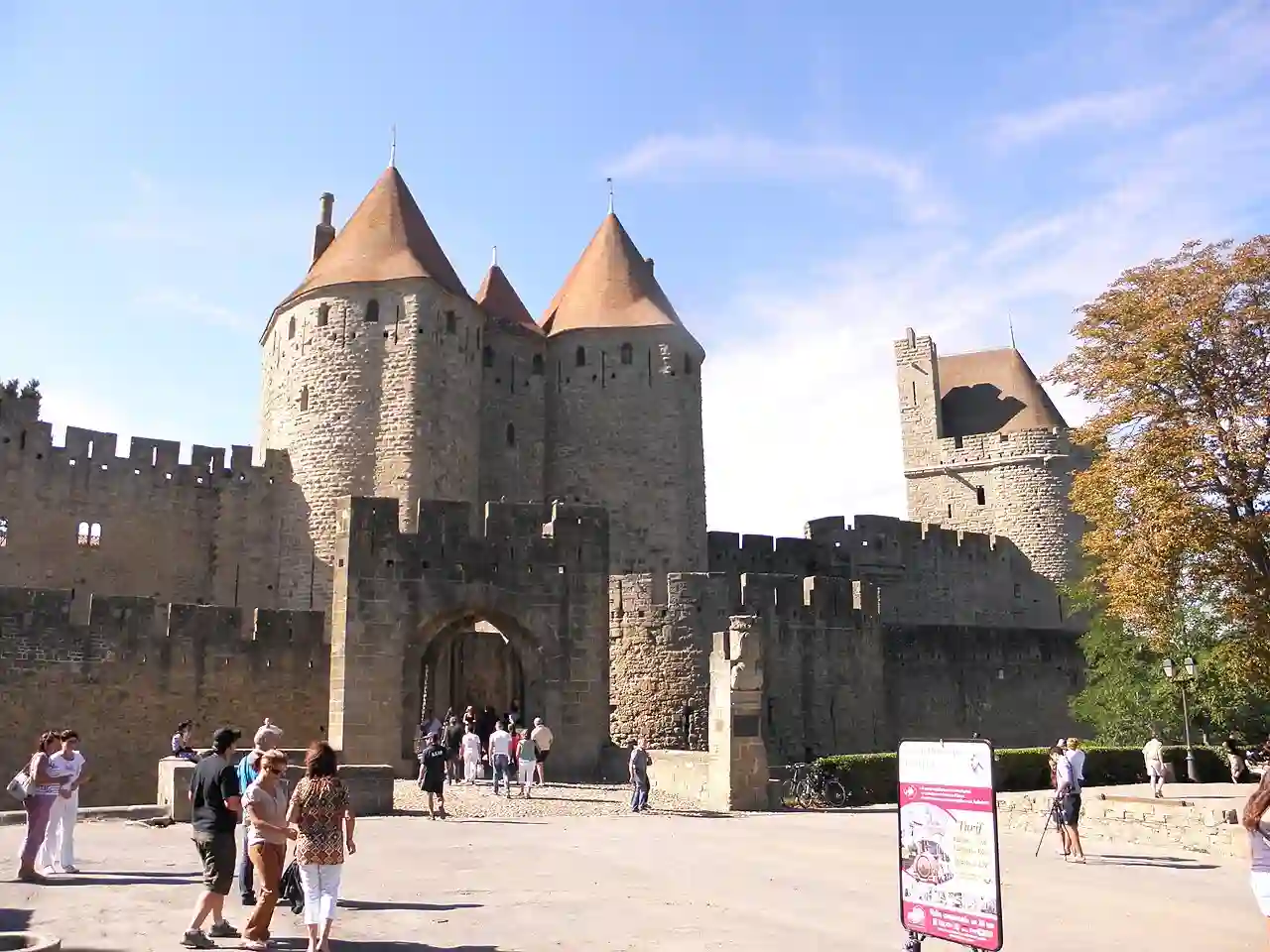
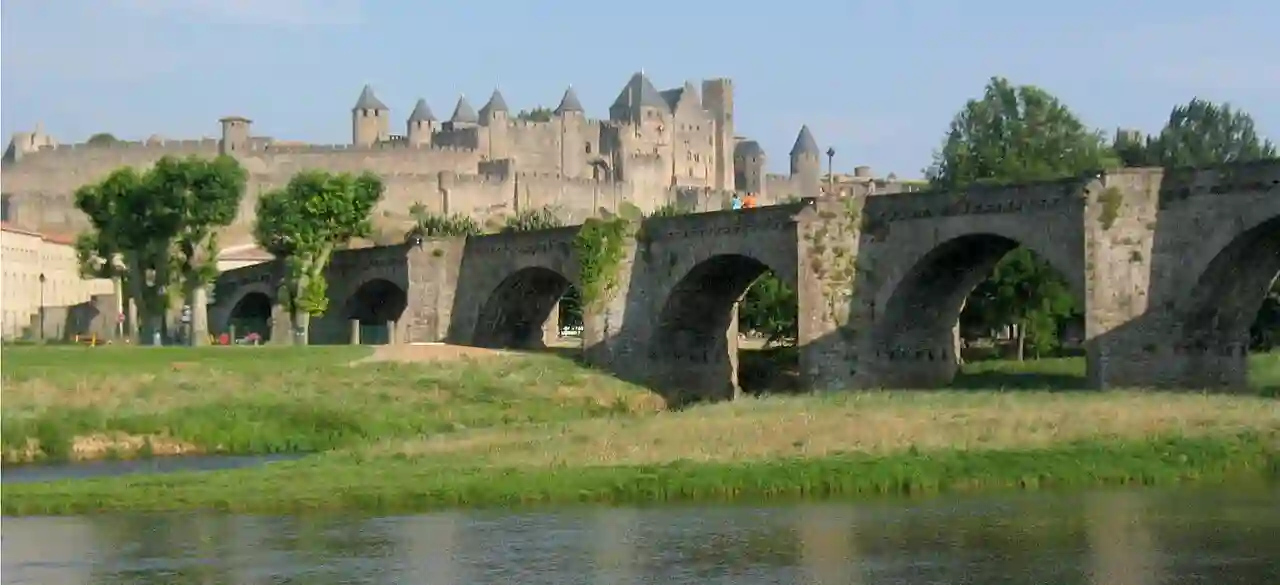
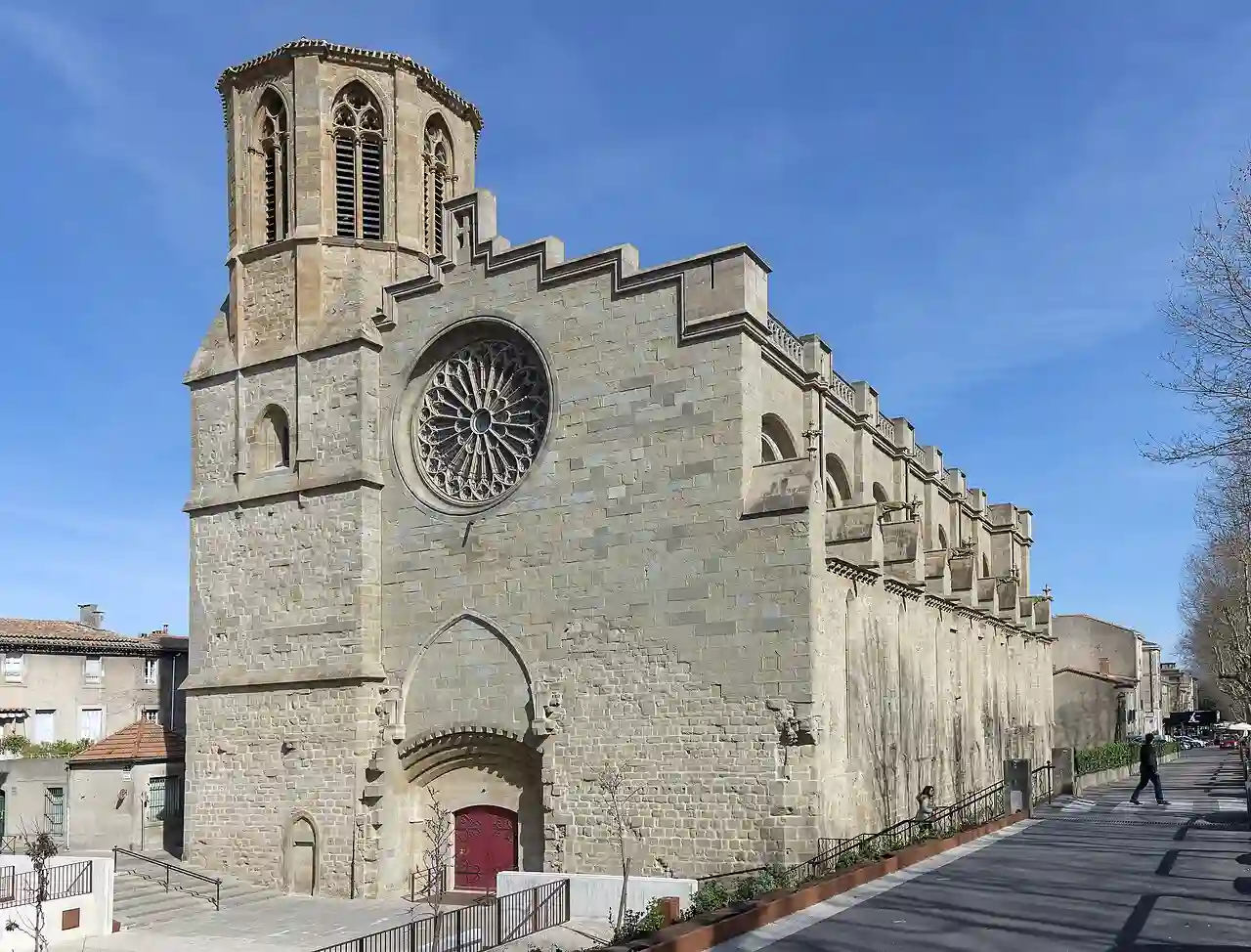
This iconic city in the south of France captivates with its fortified medieval citadel, listed as a UNESCO World Heritage site. With its 3 km of ramparts, 52 towers, a count's castle, and a basilica, it offers an immersive journey into the medieval past. This historical gem attracts around three million visitors each year, drawn by its rich cultural heritage and exceptional architectural features.
Geographical location
Located in the Aude department, in the Occitanie region, the city is about 80 km east of Toulouse. It is traversed by the Aude and Fresquel rivers, as well as the Canal du Midi, another site listed as a UNESCO World Heritage site. Its strategic position between the Montagne Noire and the Pyrenees makes it a historic crossroads between the Atlantic and the Mediterranean.
Atmosphere and character
The unique atmosphere harmoniously blends medieval history with contemporary life. The Citadel, with its cobbled streets and historical buildings, contrasts with the Bastide Saint-Louis, the lively lower town filled with shops, markets, and cafés. This duality gives it a special charm, combining millennia-old heritage with modern dynamism.
Climate
The area benefits from a temperate climate with hot, dry summers. Winters are mild, while summers are hot with daytime temperatures often exceeding 30°C. The region can experience intense thunderstorms in late summer and autumn, occasionally causing flooding.
Best season to visit
The Citadel can be explored in any season, each having its particular charm:
- Summer: many visitors but also lots of events, cafés, and restaurants with terraces
- Spring and autumn: mild climate ideal for visiting
- Winter: the Citadel to yourself, an almost authentic medieval atmosphere
Access
By plane:
- Local airport offering regular flights to several European destinations
- Toulouse-Blagnac Airport about 105 km away, providing a broader range of domestic and international flights
By train:
- Station served by TGV, Intercités trains, and TER Occitanie
- Connections to Toulouse, Narbonne, Perpignan, Paris, and Marseille
By car:
- Accessible via the A61 highway linking the Atlantic to the Mediterranean
- From Paris: about 7 hours via the A20
- From Lyon: about 4 hours via the A7 and A9
Internal transport
The city has a public transport network including buses that connect the main neighborhoods and tourist sites. Taxis are also available, as well as bike rental services to explore the destination at your own pace. The medieval citadel being mainly pedestrian, walking remains the best way to discover it in all its authenticity.
Top 50
Wikipedia
Viator activities
Tiqets activities
Top 50
Reviews
Log in for free to add a review and discover others'.