

Split
General presentation
Top 50
History, culture & traditions
Travel advice
Wikipedia
Viator activities
Tiqets activities
Overview
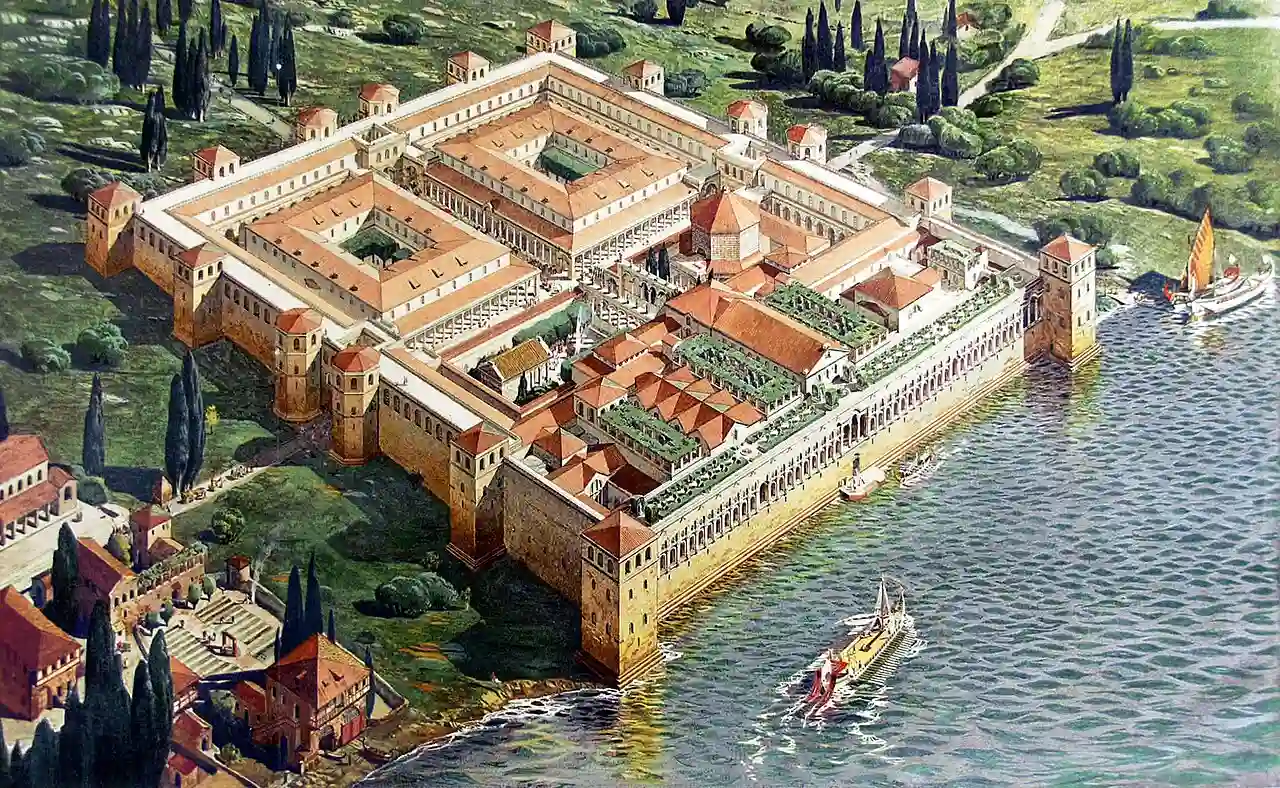
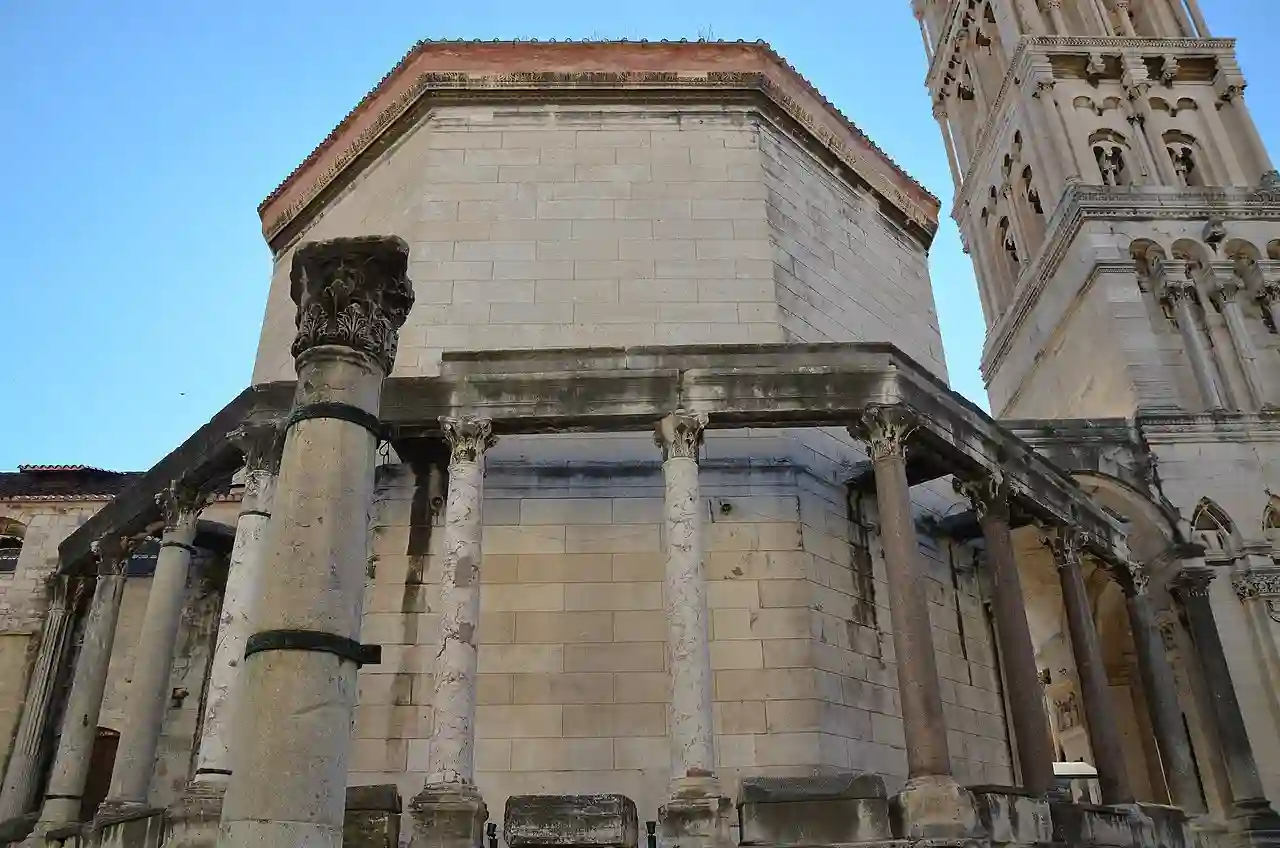
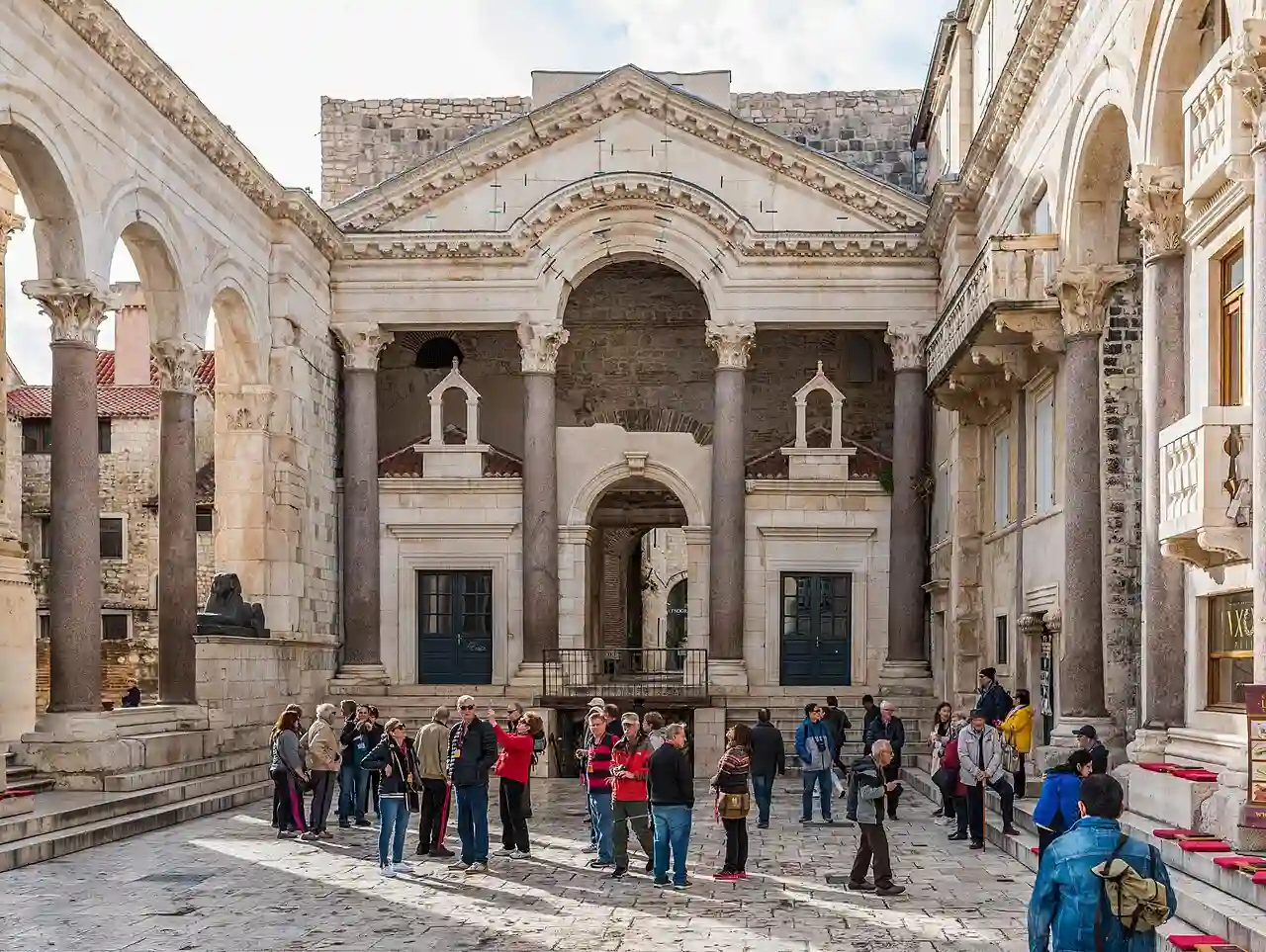
The second largest city in Croatia, Split is one of the key destinations on the Adriatic coast. Its main attraction lies in its extraordinary historical heritage, dominated by the famous Diocletian's Palace, which is a UNESCO World Heritage site. This millennia-old city offers a remarkable balance between its perfectly preserved ancient ruins and a modern, dynamic urban life, attracting millions of visitors from around the world every year.
Geographical location
The city flourishes in central Dalmatia, on the eastern coast of the Adriatic Sea. Located on a natural peninsula, it benefits from an exceptional position, bordered by the sea on three sides. Its geographical setting harmoniously complements the surrounding mountainous terrain: the Mosor mountains to the northeast and Kozjak to the northwest. This privileged location also provides easy access to the nearby Dalmatian islands, including Brač, Hvar, Šolta, and Čiovo.
Atmosphere and character
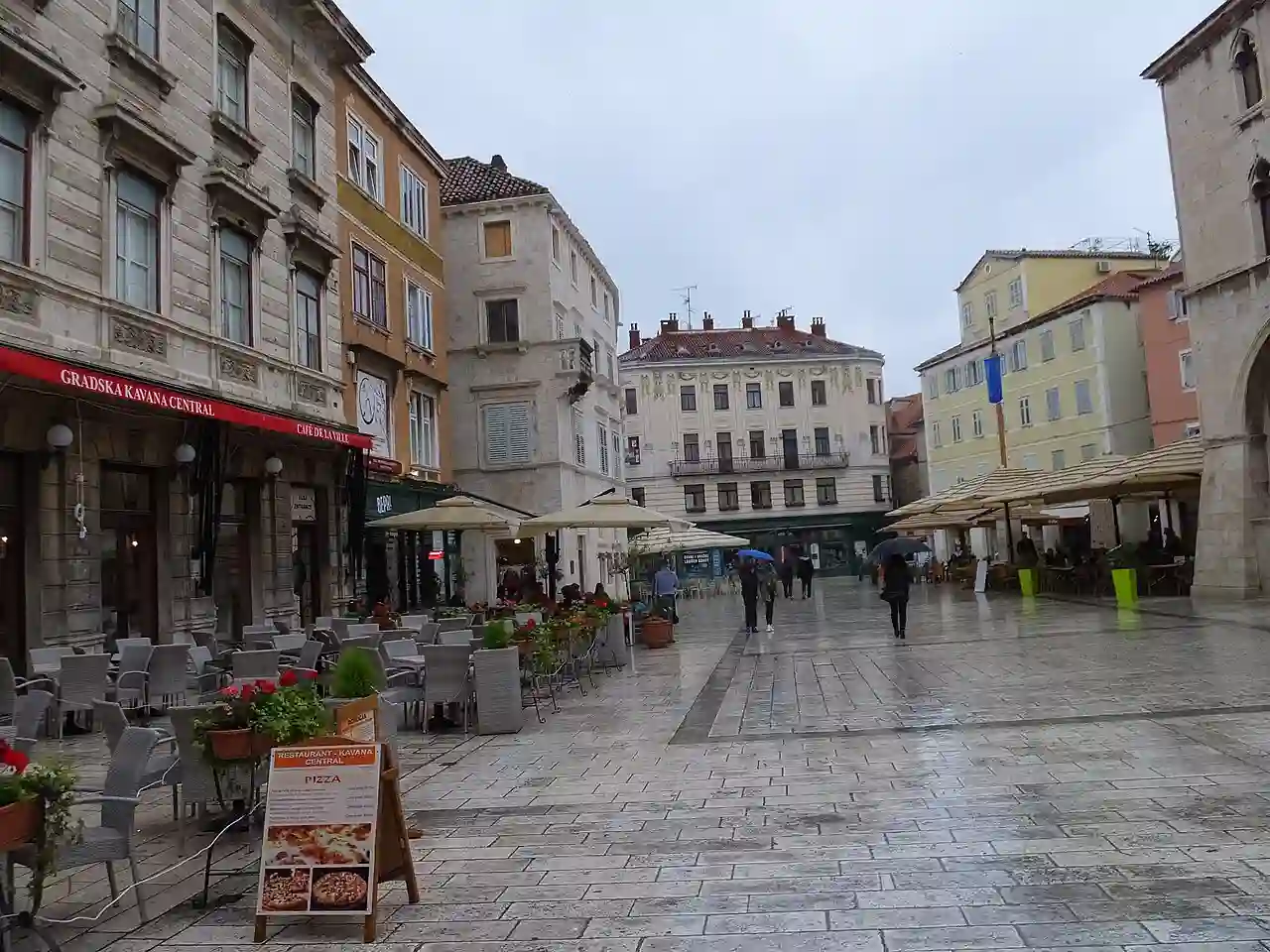
The unique atmosphere of Split is born from the harmonious coexistence of millennia-old history and modernity. The historic center, with its maze of cobbled streets and lively squares, forms the beating heart of local social life. The city pulses to the rhythm of a particularly dynamic nightlife, punctuated by numerous bars, authentic restaurants, and large cultural events. The excitement peaks during the summer, especially during the Ultra Europe Festival held in July.
Climate
The privileged Mediterranean climate guarantees ideal weather conditions for exploration. Summers are characterized by warm temperatures and generous sunshine, with an average of around 24°C. Winters remain mild and relatively humid, with average temperatures of 8°C. Precipitation is mainly concentrated during the months of November and December.
Best season to visit
The optimal period extends from May to September, offering a warm and sunny climate conducive to visits and outdoor activities. However, the months of July and August see a high tourist influx. To enjoy pleasant weather while avoiding crowds, the months of May, June, and September represent the ideal compromise.
Access
Several options make it easy to reach Split:
- By plane: The international airport, located 24 km from the city center, offers national and international connections
- By car: The A1 highway directly serves the city via the Dugopolje exit
- By bus: An extensive network of national and international lines connects Split to major Croatian and European cities
- By train: Rail connections link the city to Zagreb and other Croatian destinations
- By ferry: The port, one of the busiest in the Mediterranean, provides connections to the Dalmatian islands and Italy
Internal transport
Getting around Split accommodates all modes of exploration:
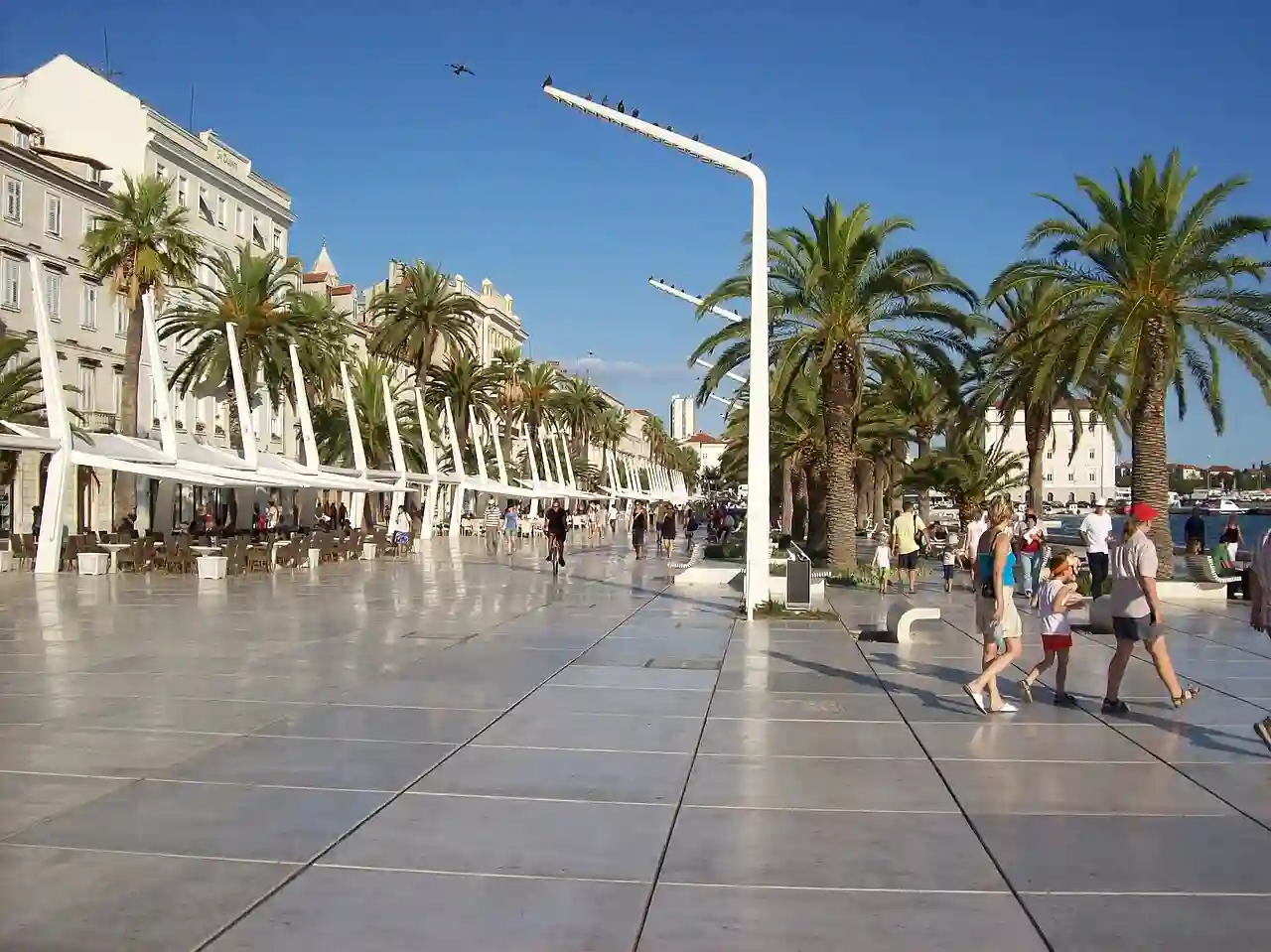
- On foot: The pedestrian historical center can be easily explored on foot
- By bus: An urban network of 35 lines effectively covers the city and its outskirts
- Taxi and rideshare: Traditional taxi services complemented by Uber and Bolt platforms
- By bike: Rentals available with dedicated bike lanes, especially along the coastline
- By ferry: Regular connections to the surrounding islands from the main port
Top 50
Wikipedia
Viator activities
Tiqets activities
Top 50
Reviews
Log in for free to add a review and discover others'.