


Brussels
General presentation
Top 50
History, culture & traditions
Travel advice
Wikipedia
Viator activities
Tiqets activities
Global presentation
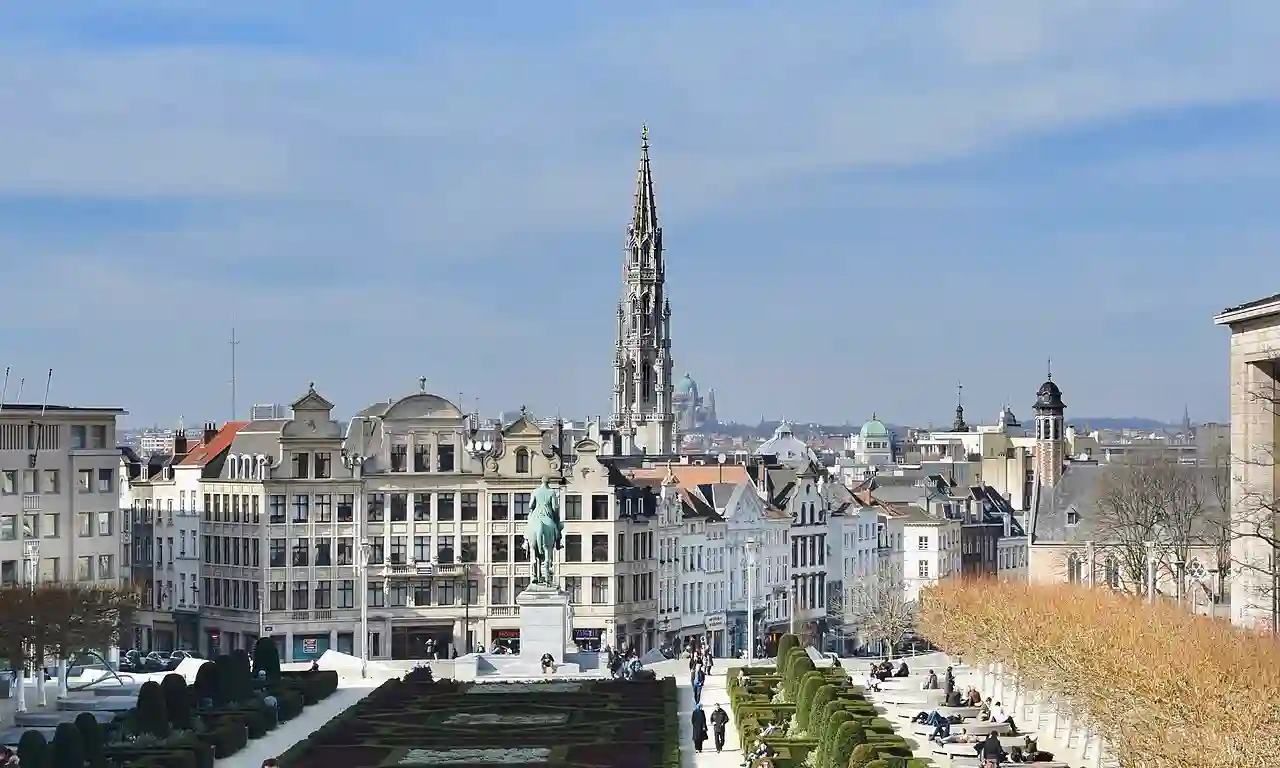
Capital of Belgium, Brussels is a cosmopolitan city that fascinates with its dual face: both guardian of a rich historical heritage and a nerve center of modern Europe. This characterful metropolis charms visitors with its cobbled streets, majestic buildings, and friendly atmosphere. As the decision-making center of the European Union, it attracts an international population that contributes to its exceptional cultural diversity.
Geographical situation
In the heart of Belgium, Brussels nestles on the Brabant plateau, entirely surrounded by the Flemish Brabant region. The city rises to an average altitude of 57 meters above sea level. Its urban landscape is crossed by the Senne river, now mainly underground as it was vaulted over the course of the city's development.
Ambiance and character
The Brussels atmosphere results from a clever blend of Belgian traditions and international influences. The city reveals itself through its neighborhoods with distinct personalities:
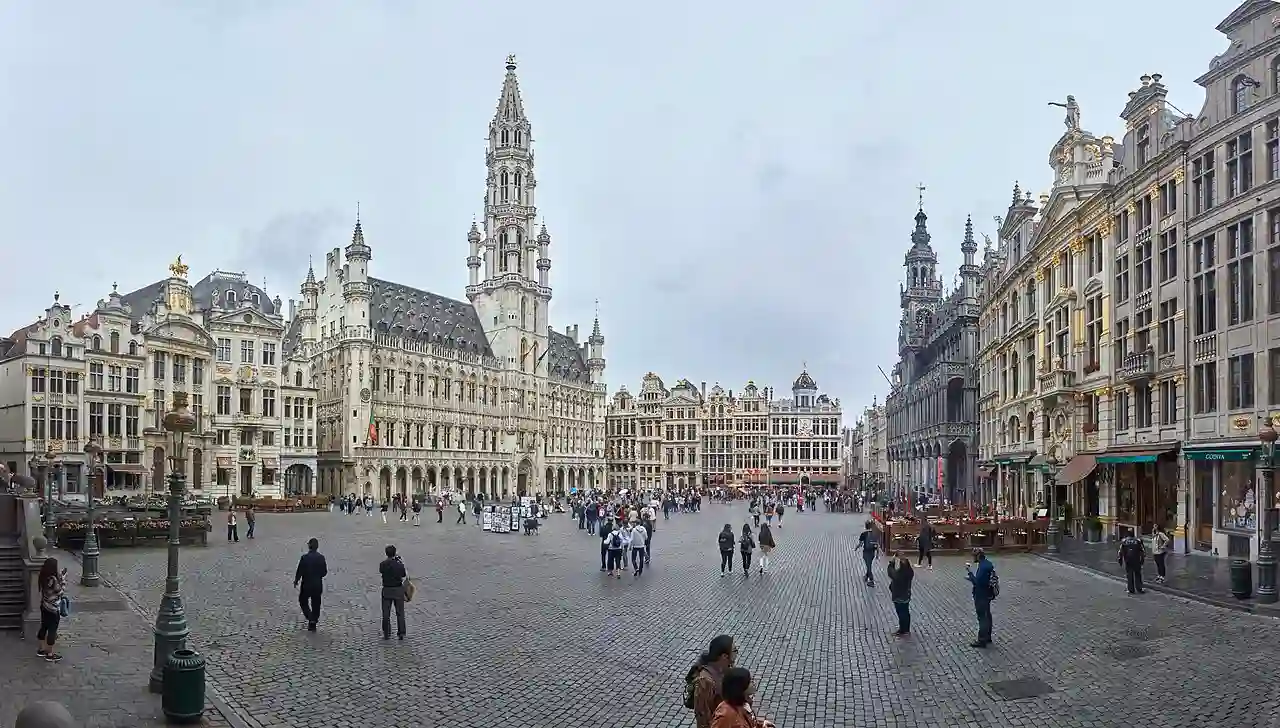
- The historic center, a gem of the city, is home to the Grand-Place, listed as a UNESCO World Heritage site
- The neighborhoods of Ixelles and Saint-Gilles, known for their trendy atmosphere and stylish shops
- The European quarter, a symbol of the international role of the Belgian capital
This urban mosaic offers an authentic experience where Belgian friendliness is manifested in typical cafés, warm restaurants, and during numerous cultural events.
Climate
Brussels enjoys a temperate oceanic climate characterized by its relative mildness. Winters are generally mild, with temperatures often hovering around 0°C, while summers remain cool, rarely exceeding 20°C. The city experiences regular precipitation throughout the year, with about 200 rainy days annually, giving it the characteristic lush atmosphere.
Best season to visit
The period from April to September constitutes the ideal time to discover Brussels, offering milder and pleasant temperatures. These months also host numerous cultural events and festivities that enliven the capital. However, each season has its particular attractions, from Christmas markets in winter to summer festivals, making Brussels an appealing destination year-round.
Access
The Belgian capital enjoys excellent accessibility:
- By air: Brussels-National Airport (Zaventem), located just 12 km from the city center
- By train: three main stations (Brussels-Midi, Brussels-Central, and Brussels-North) provide national and international connections
- International connections: direct links with many European capitals via the high-speed network (Thalys, Eurostar)
This strategic position at the crossroads of Europe makes Brussels easily accessible from most major European cities.
Internal transport
Getting around Brussels is simple thanks to a dense and efficient public transport network:
- The STIB (Brussels Intercommunal Transport Company) operates a comprehensive network of subways, trams, and buses covering the entire city
- Contactless payment is available on all transport for added convenience
- The S network, an integral part of the Regional Express Network (RER), offers fast links to the outskirts
This well-developed transport system allows visitors to easily explore all neighborhoods of the Belgian capital, even the less central ones.
Top 50
Wikipedia
Viator activities
Tiqets activities
Top 50
Reviews
Log in for free to add a review and discover others'.