

Taipei
General presentation
Top 50
History, culture & traditions
Travel advice
Wikipedia
Viator activities
Tiqets activities
Global presentation
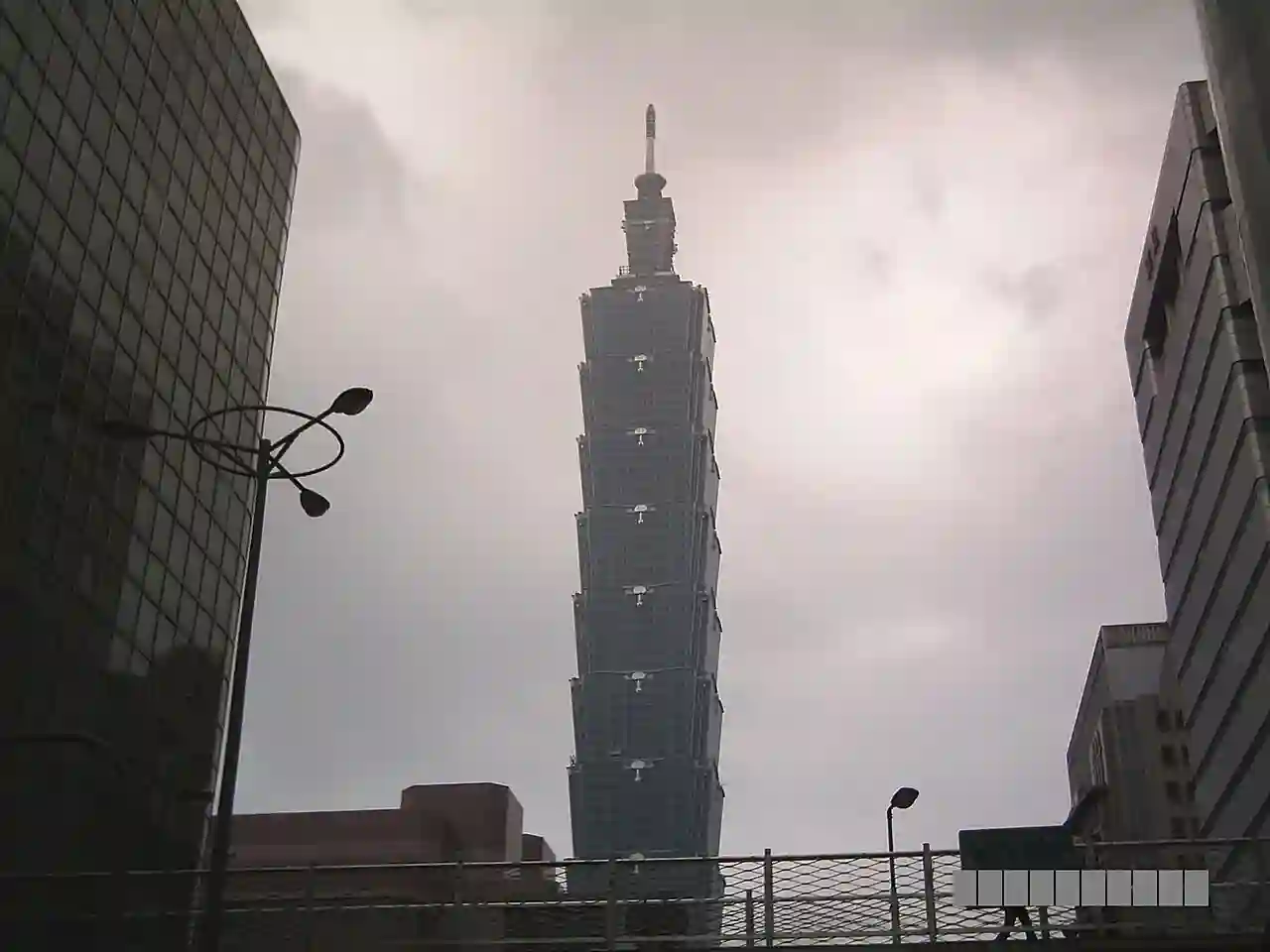
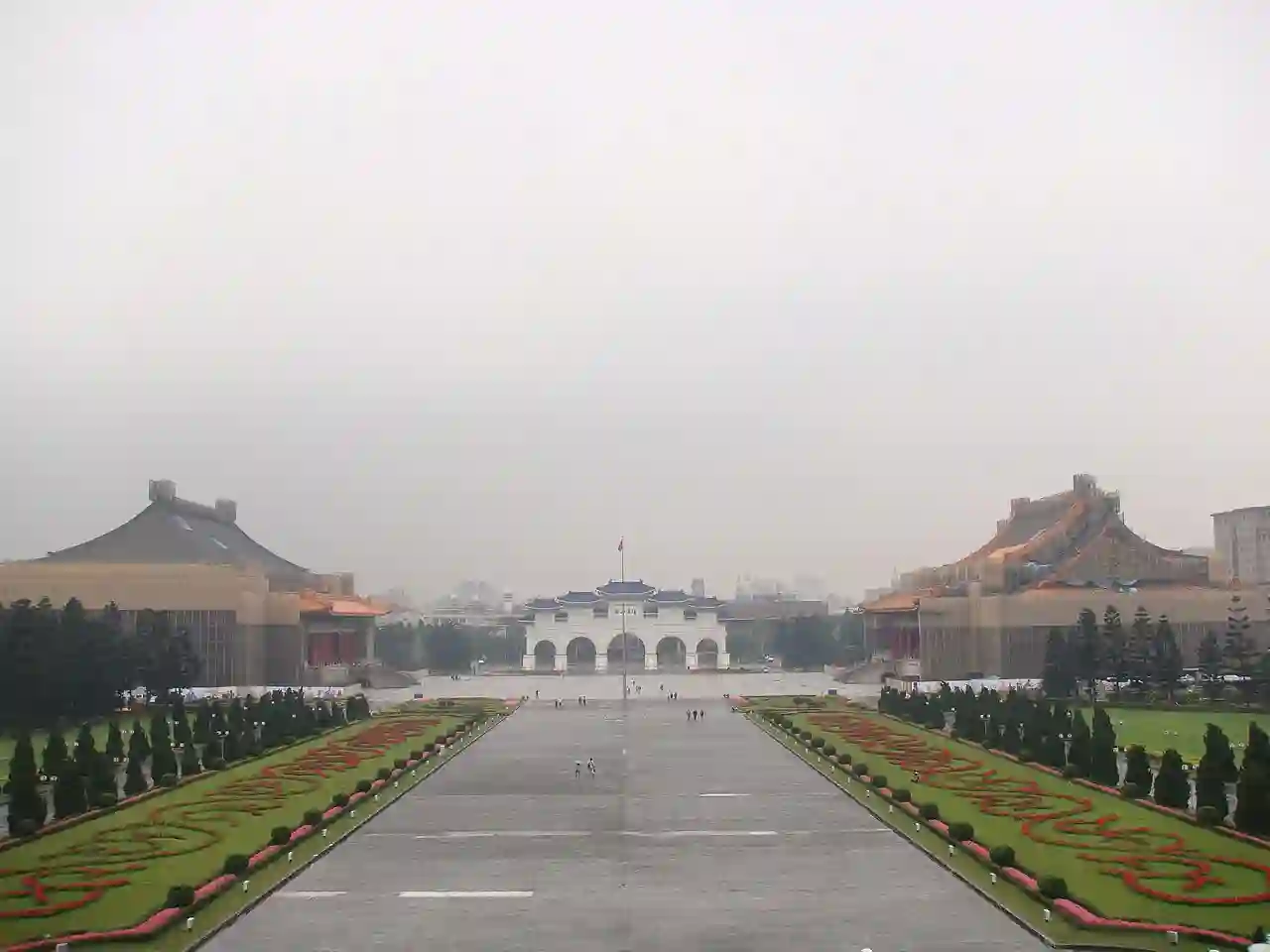
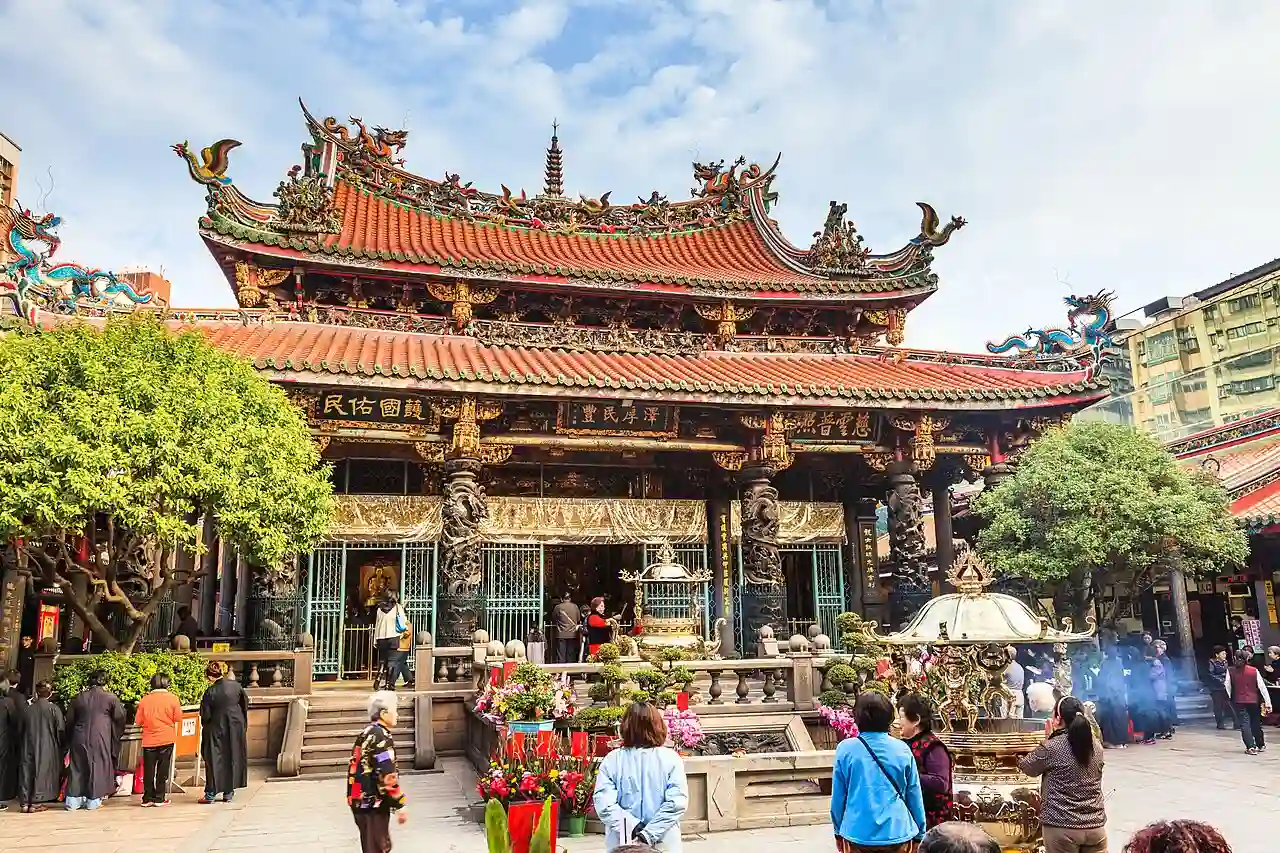
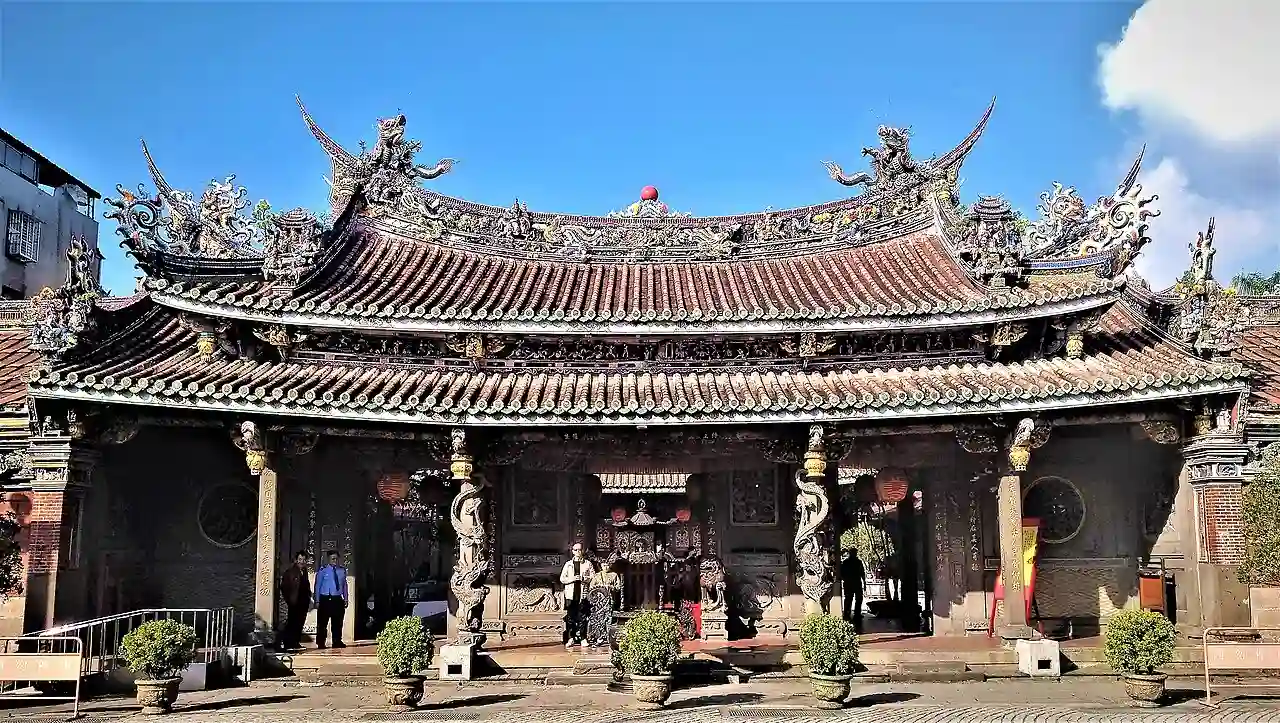
De facto capital of Taiwan, Taipei is the political, cultural, and economic heart of the island. With its 2.6 million inhabitants, this dynamic metropolis stands out as a modern industrial center, particularly recognized in the electronics sector. The city charms with its lively night markets, well-preserved historical temples, and world-renowned museums, offering a perfect balance between innovation and tradition.
Geographical situation
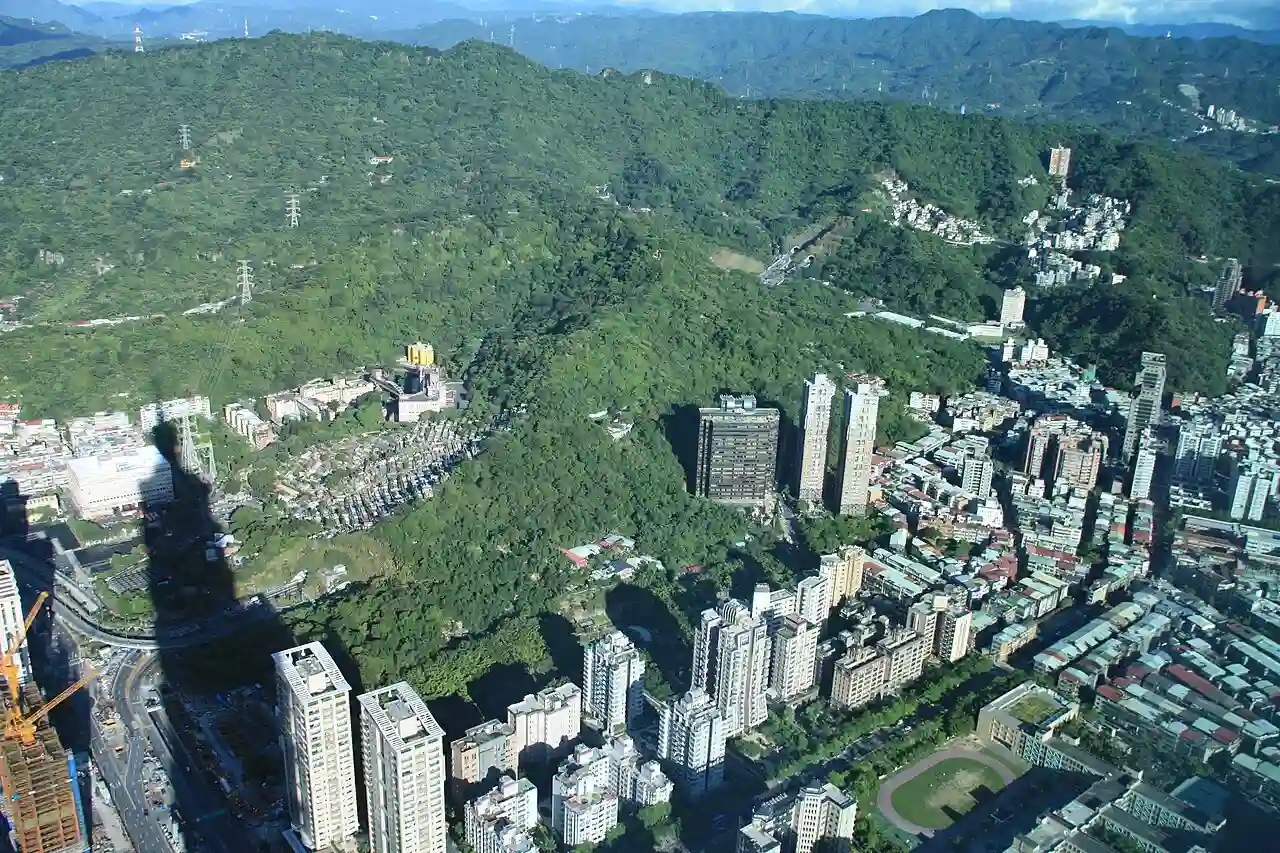
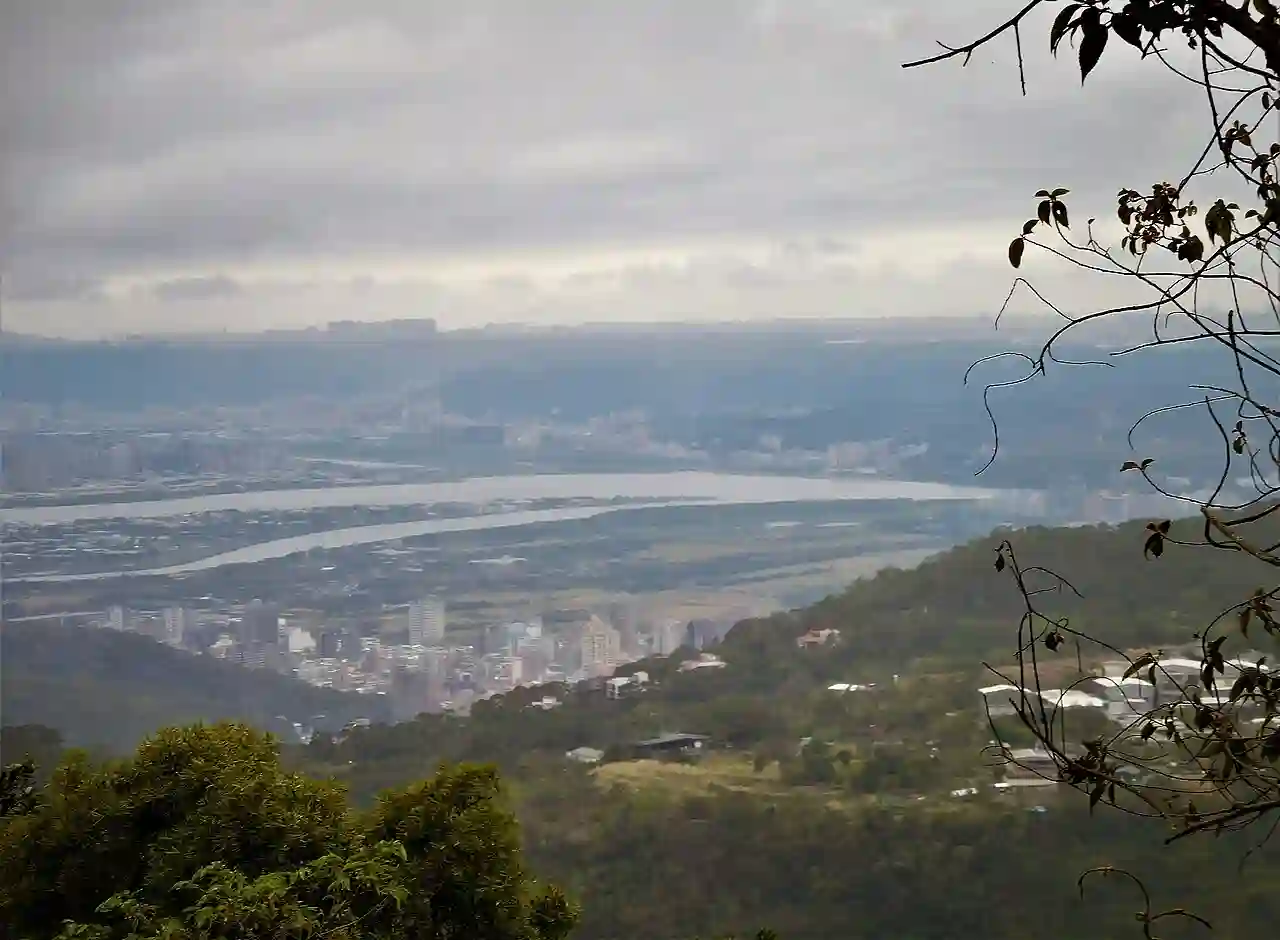
The city stretches across a natural valley located in the northern part of the island, surrounded by mountains and crossed by the Danshui River as well as its tributaries, the Keelung and Xindian rivers. Bordered by the municipality of New Taipei, it is situated about 25 kilometers southwest of Keelung, its main access port to the Pacific Ocean.
Atmosphere and character
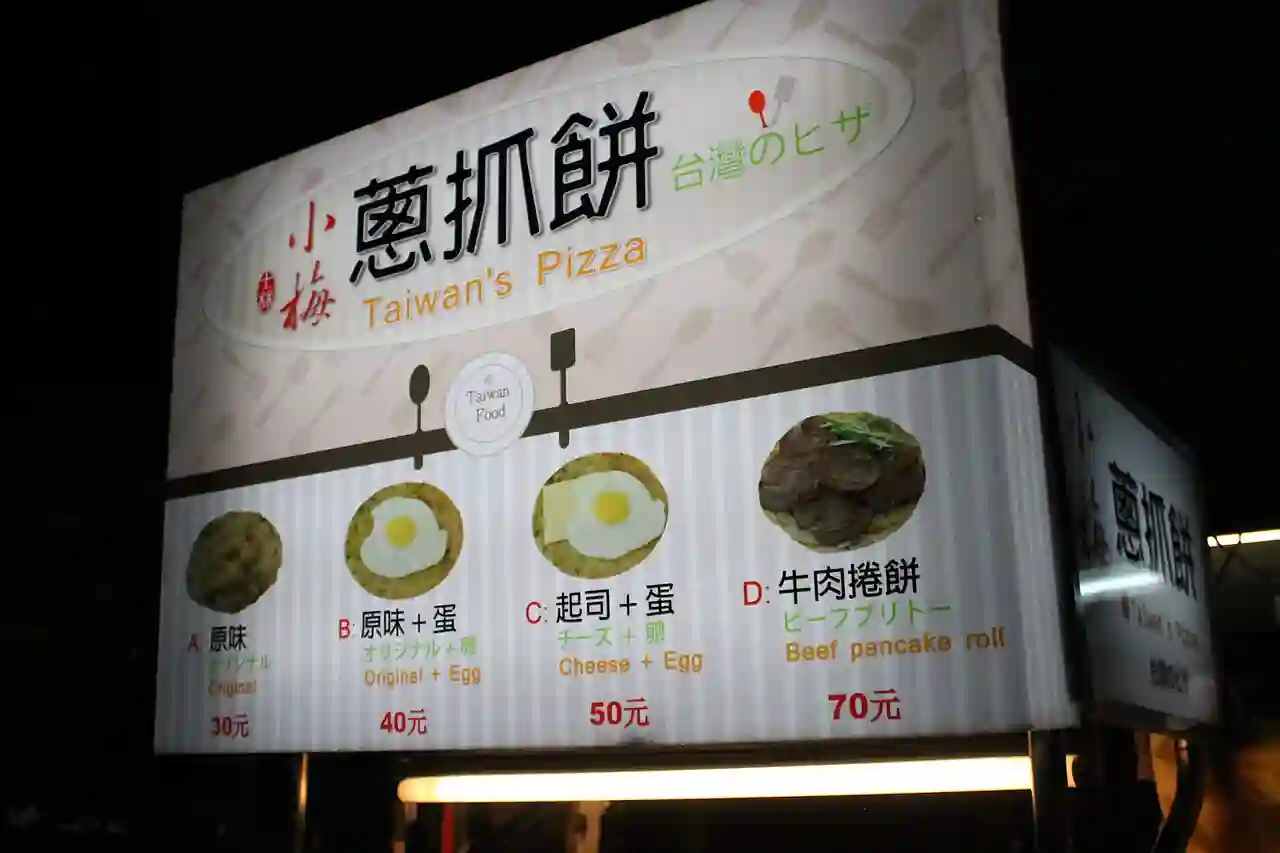
This vibrant metropolis skillfully blends tradition and modernity, creating a unique atmosphere where the old and the new coexist harmoniously. The exceptional culinary scene, notably illustrated by the famous night markets like Shilin, reflects this cultural richness. The Taipei residents, known for their hospitality and open-mindedness, engage in a lively cultural life marked by festivals throughout the year.
Climate
The humid subtropical climate, influenced by the monsoon, characterizes the region. Summers, from June to August, are hot and humid with temperatures often exceeding 30°C. Winters, from December to February, offer pleasant mildness with temperatures ranging between 15°C and 20°C. The typhoon season extends from June to October, during which it is wise to remain vigilant.
Best time to visit
Autumn, from September to November, represents the ideal period to discover the destination. This season offers moderate temperatures around 25°C and a significant reduction in the risk of typhoons, creating perfect conditions for exploring the city and its surroundings in complete serenity.
Access
Two main airports serve the capital:
- Taiwan-Taoyuan International Airport: located in Taoyuan, 40 kilometers to the west, it handles the majority of international flights
- Taipei-Songshan Airport: situated downtown, it primarily services domestic flights and a few regional connections to mainland China, Japan, and South Korea
The Central Station is a major railway hub, offering high-speed connections and intercity trains across the entire Taiwanese territory.
Internal transport
The city has a remarkably efficient public transportation network:
- MRT (Metro): inaugurated in 1996, this modern network includes several lines serving the city and its suburbs, transporting about 2 million passengers daily
- Bus network: dense and complementary to the metro, it provides comprehensive coverage of the urban area
- YouBike: a bike-sharing system offering an eco-friendly and practical alternative for commuting
These infrastructures allow visitors to move easily and efficiently throughout the metropolis.
Top 50
Wikipedia
Viator activities
Tiqets activities
Top 50
Reviews
Log in for free to add a review and discover others'.