



Manille
General presentation
Top 50
History, culture & traditions
Travel advice
Wikipedia
Viator activities
Tiqets activities
Overall presentation
As the capital of the Philippines, Manila is a dynamic metropolis where modern skyscrapers harmoniously blend with historic neighborhoods steeped in history. With over 1.8 million inhabitants concentrated in an area of only 38.55 km², it ranks among the most densely populated cities in the world. This intense urban concentration contributes to creating a vibrant and cosmopolitan atmosphere, where modernity coexists with a rich cultural heritage.
Geographical situation
The city stretches along the west coast of the island of Luzon, at the heart of the National Capital Region (Metro Manila). It enjoys a privileged position, bordered by Manila Bay to the west and traversed by the Pasig River which winds through its neighborhoods. The metropolitan area is surrounded by several important cities: Navotas and Caloocan to the north, Quezon City to the northeast, San Juan and Mandaluyong to the east, Makati to the southeast, and Pasay to the south.
Atmosphere and character
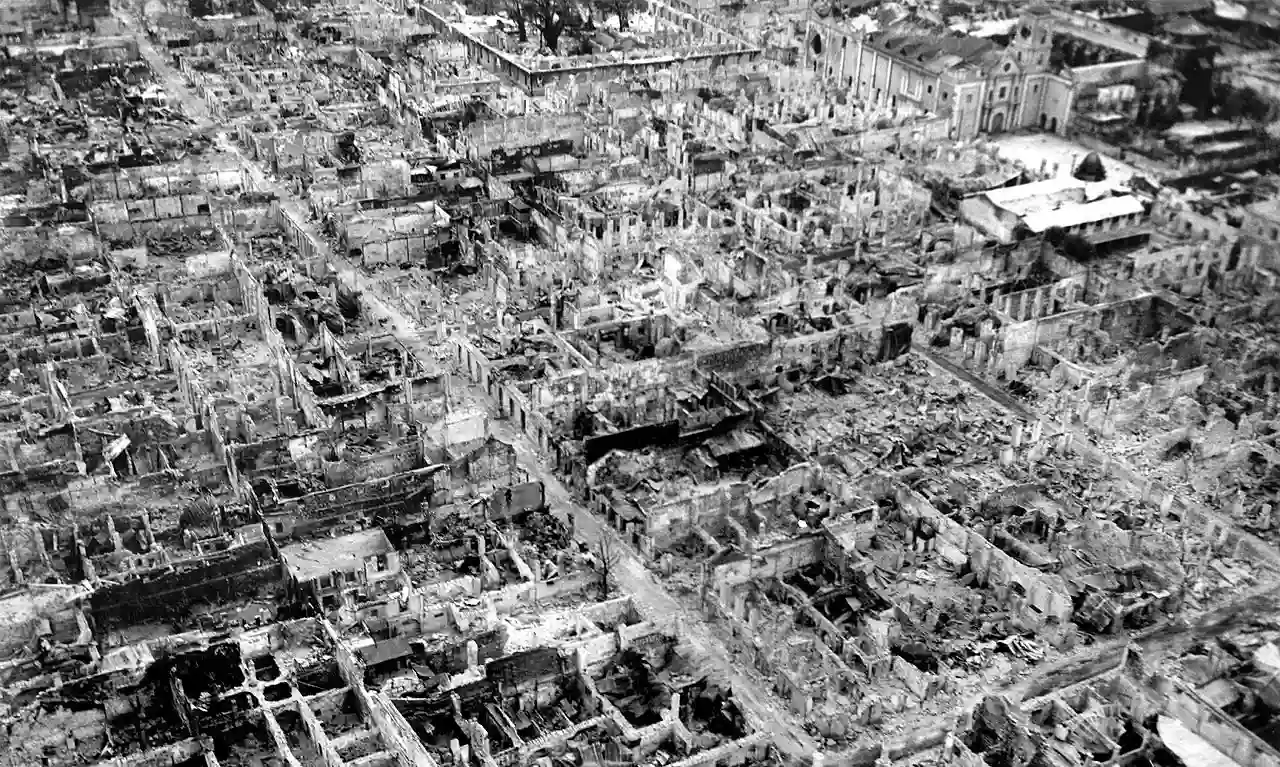
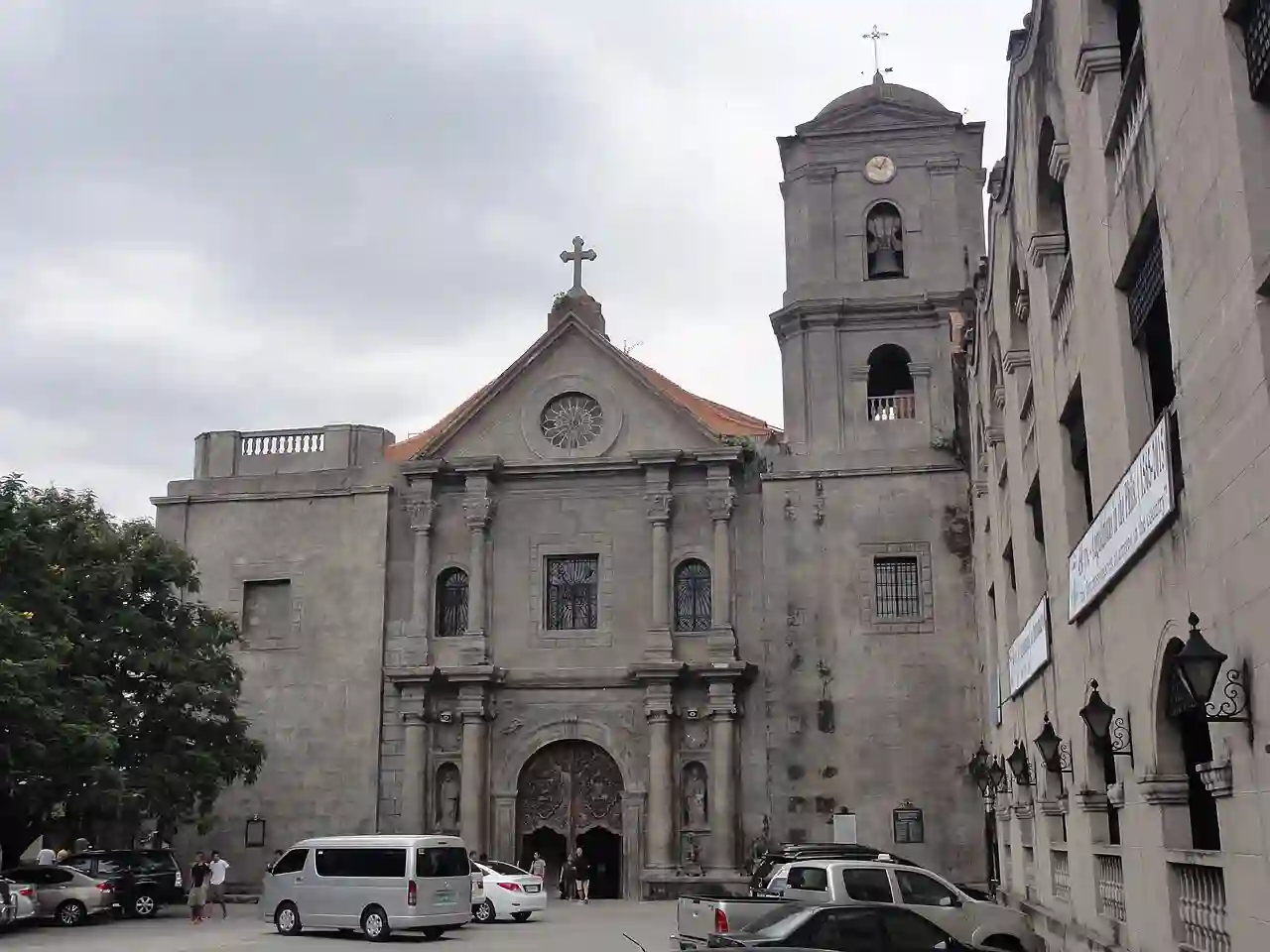
The atmosphere that prevails in the Philippine capital is decidedly festive and lively. The city pulses with the rhythm of numerous colorful festivals, bustling markets, and a particularly active nightlife. This urban energy is enriched by a profound historical dimension, especially in the Intramuros district, which elegantly testifies to the Spanish colonial past. The exceptional cultural diversity of the metropolis is manifested in all aspects of daily life: varied gastronomy, multiple artistic expressions, and vibrant traditions that coexist harmoniously.
Climate
The warm and humid tropical climate characterizes the region throughout the year, with temperatures generally ranging between 22°C and 34°C. The year is divided into two distinct seasons: the dry season extends from November to May, offering sunny days and pleasant temperatures, while the rainy season, from June to October, brings frequent and sometimes intense rainfall, accompanied by risks of typhoons.
Best season to visit
The ideal period to discover the capital extends during the dry season, particularly between December and February. These months offer a milder climate with rare rainfall, creating optimal conditions for urban exploration. This period also coincides with several important local festivities, allowing visitors to experience a particularly enriching cultural experience.
Access
Ninoy Aquino International Airport is the main gateway to the capital, located about 7 kilometers southeast of the city center. This modern airport welcomes international and domestic travelers, facilitating access to this major destination in Southeast Asia.
Internal transport
The city offers a varied range of transportation options suited to different needs and budgets:
- Jeepneys: iconic and economical vehicles, though often crowded
- Taxis and ride-hailing services: readily available, with fares varying based on traffic conditions
- Light rail (LRT) and metro (MRT): three main lines serving different urban areas
- Tricycles and pedicabs: perfect for short trips in residential neighborhoods
It is worth noting that urban traffic is often dense, with frequent congestion that can significantly affect travel times within the metropolis.
Top 50
Wikipedia
Viator activities
Tiqets activities
Top 50
Reviews
Log in for free to add a review and discover others'.