

Kathmandu
General presentation
Top 50
History, culture & traditions
Travel advice
Wikipedia
Viator activities
Tiqets activities
Overall presentation
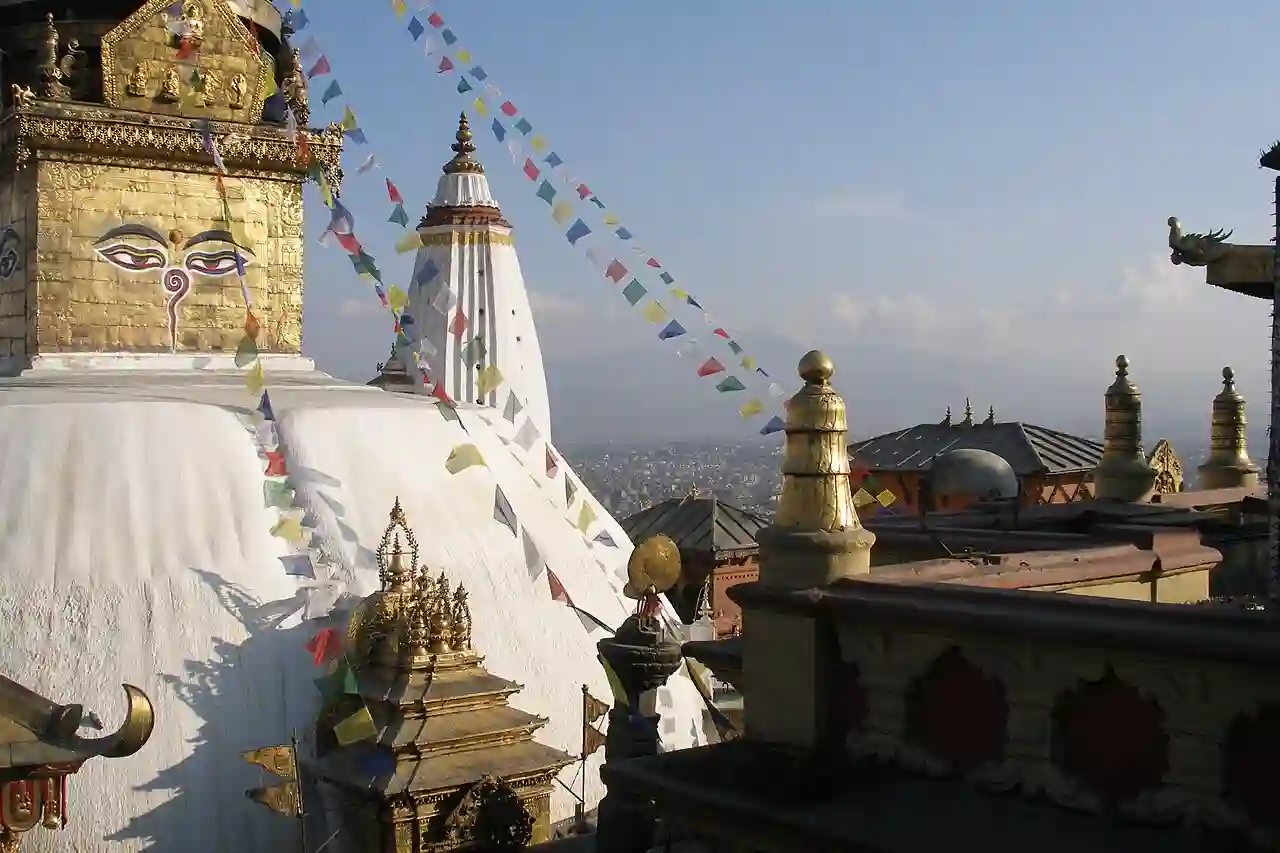
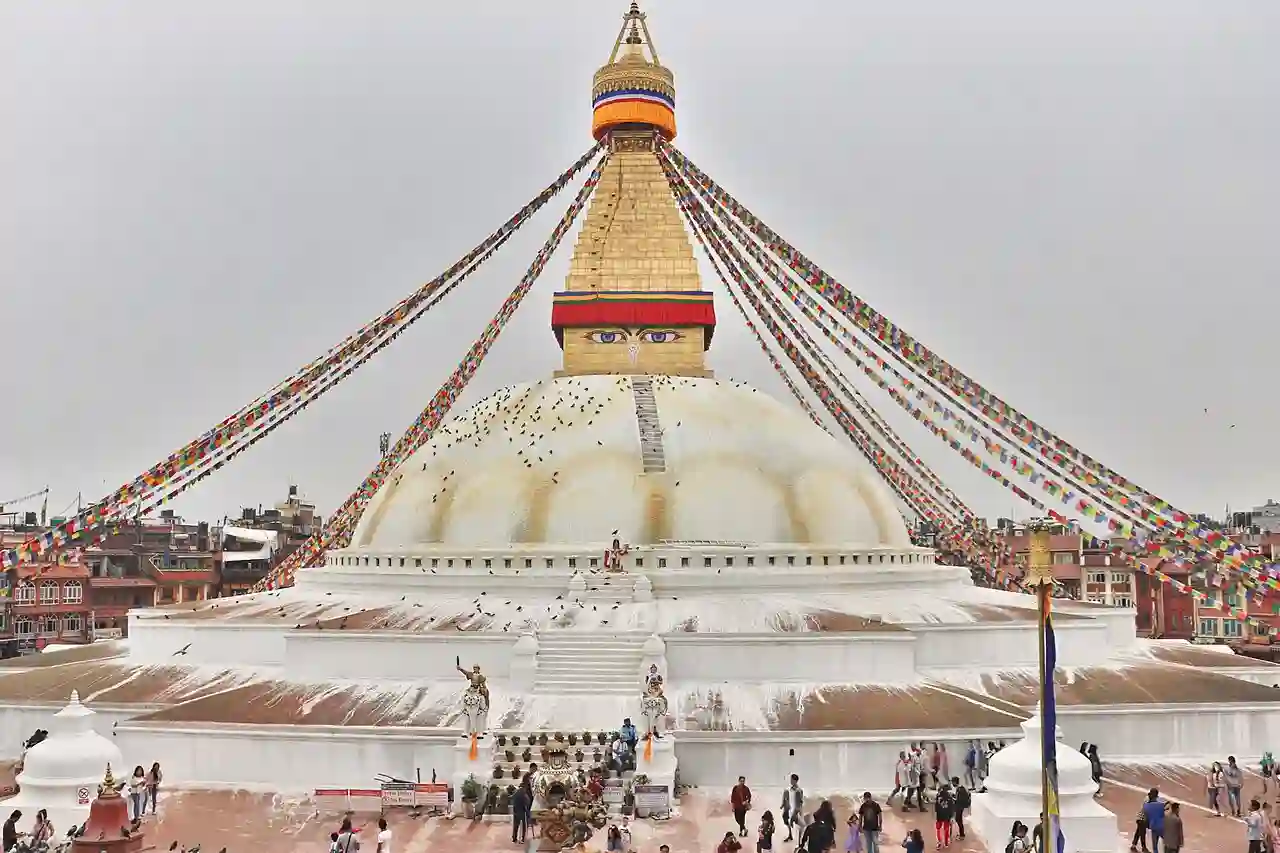
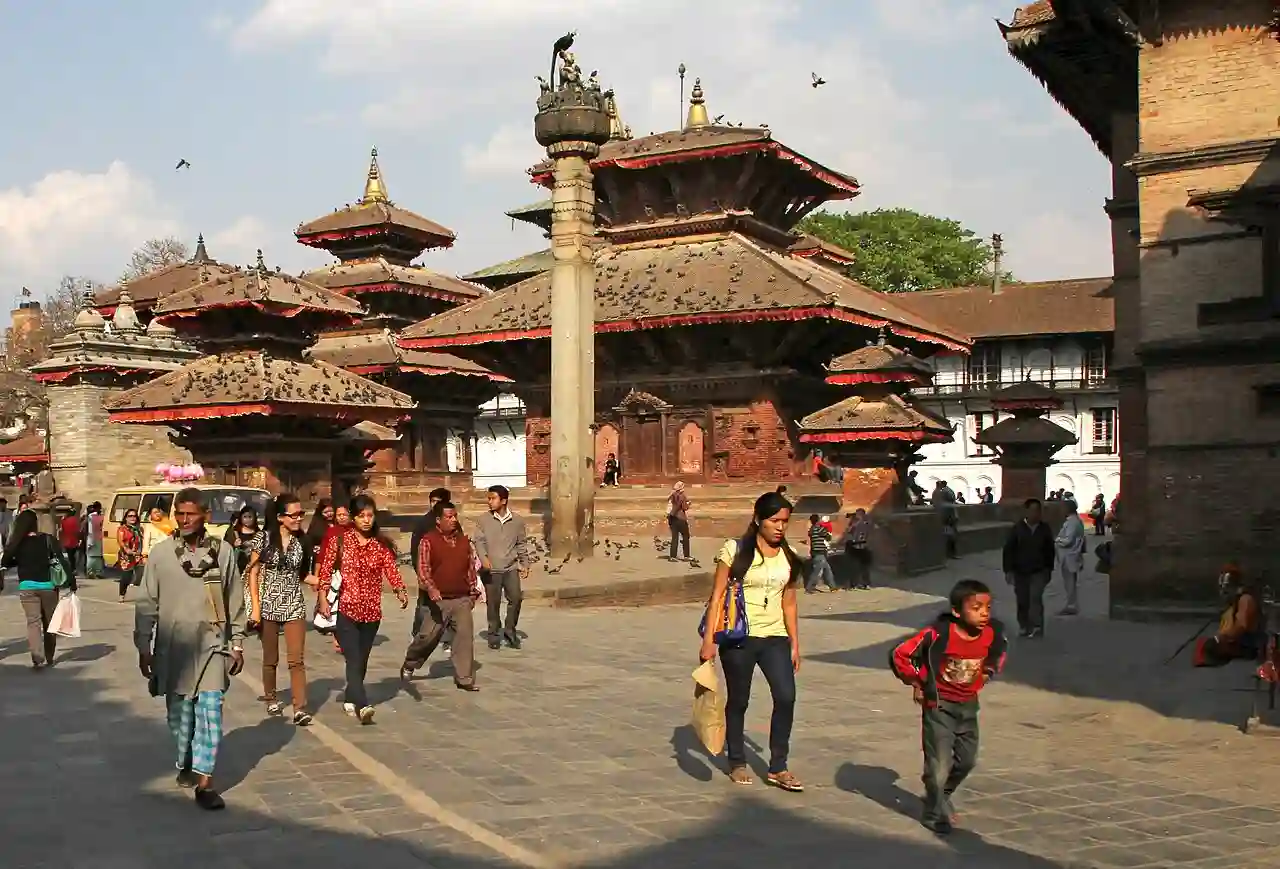
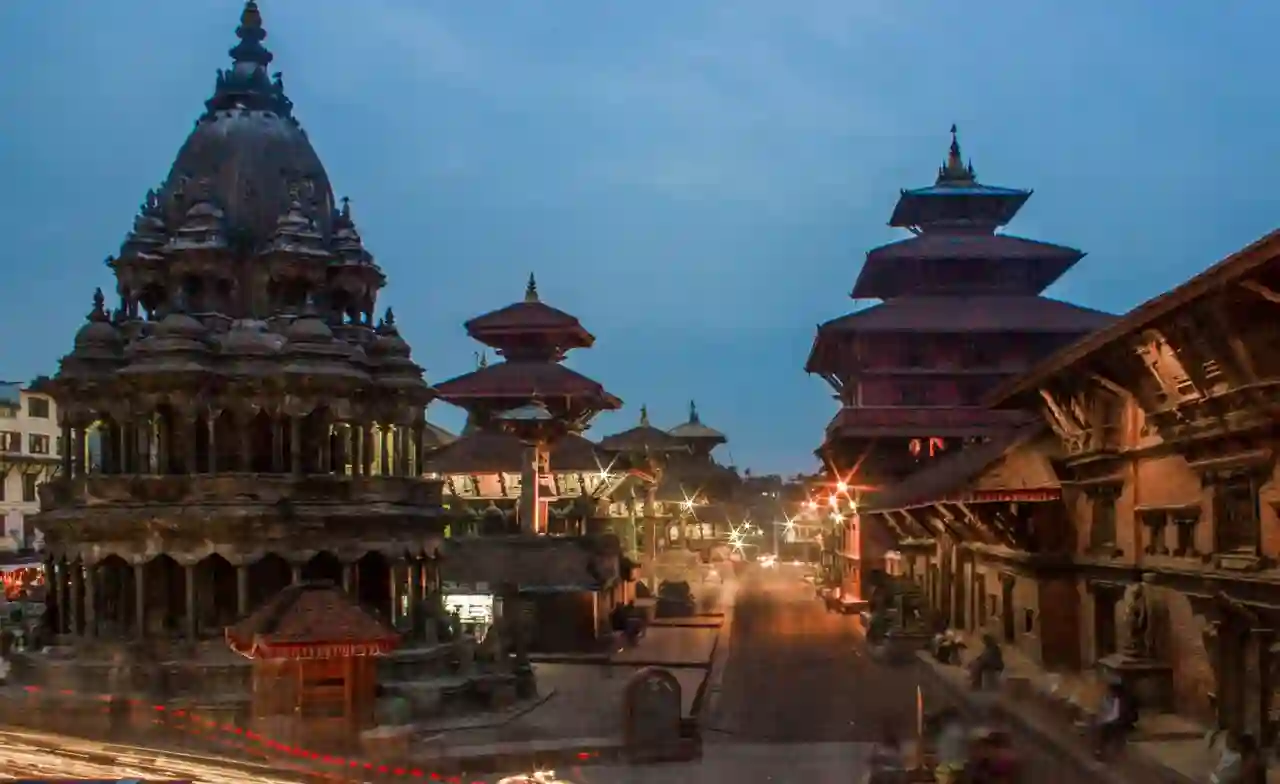
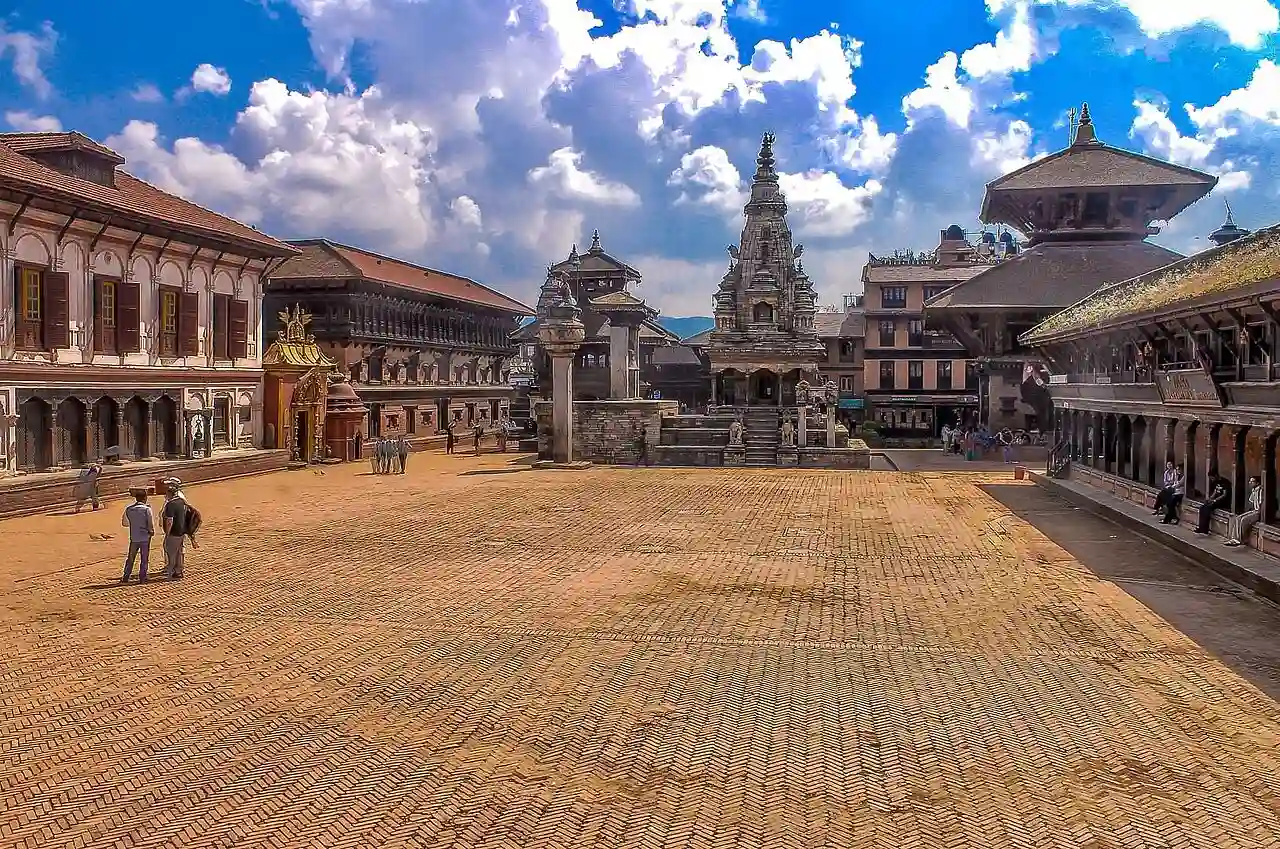
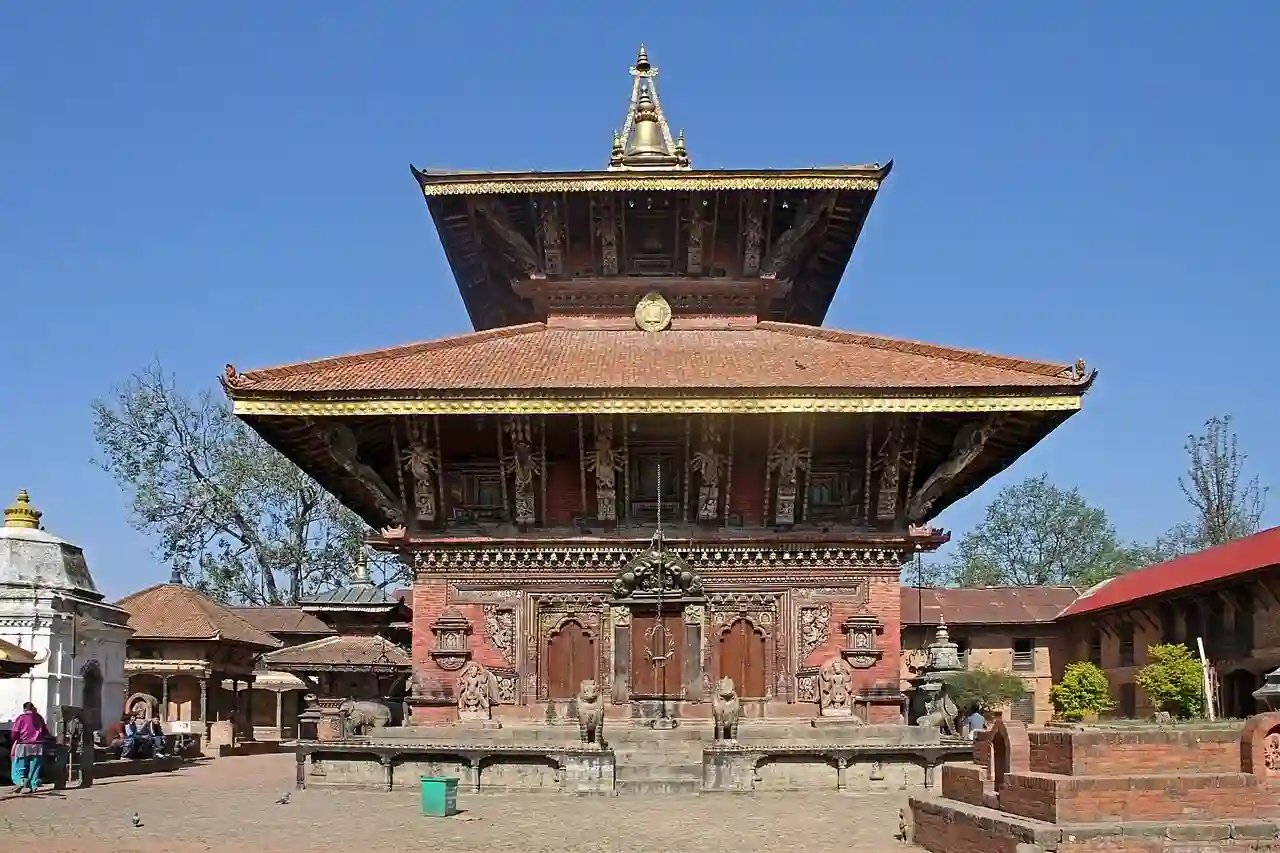
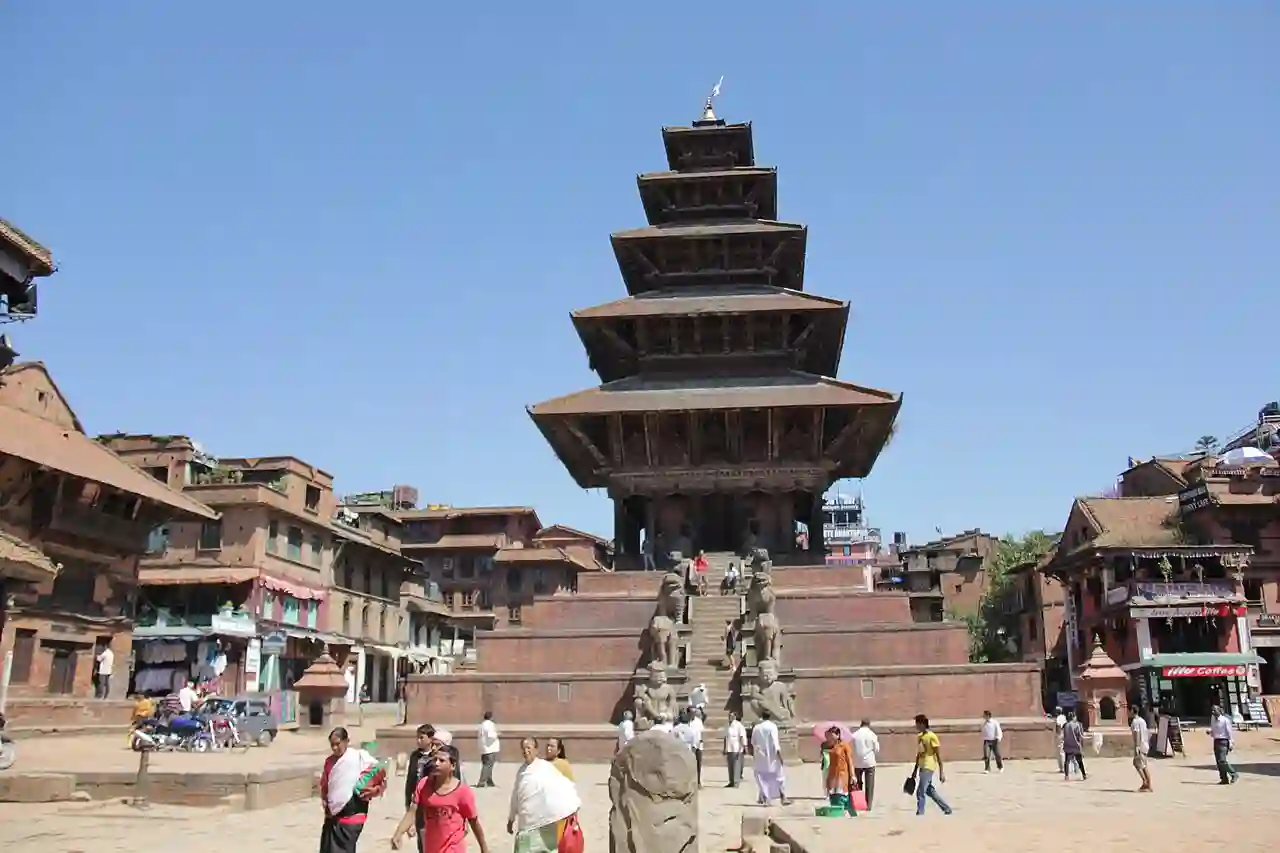
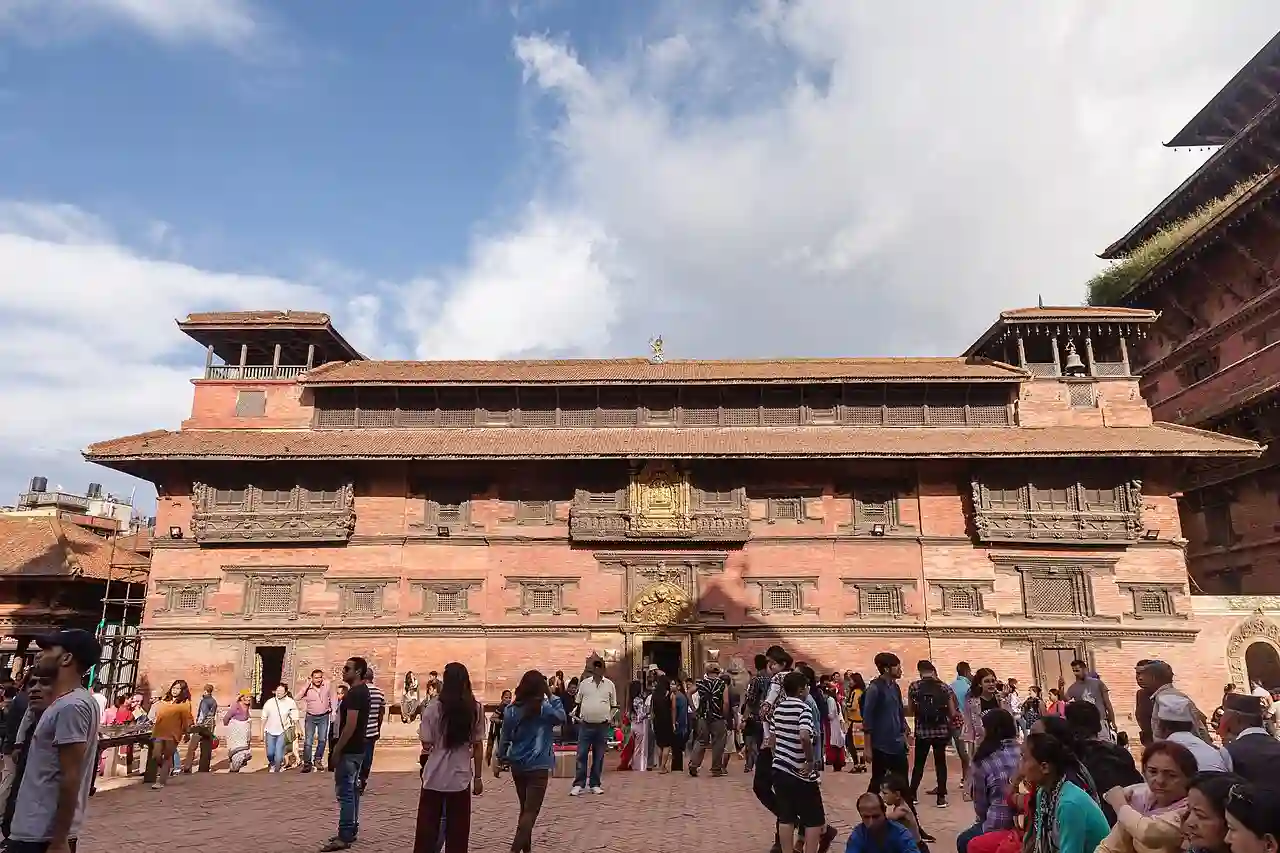
Capital of Nepal and the political, economic, and cultural heart of the country, Kathmandu stands at an altitude of 1,350 meters in an exceptional valley. This millennia-old city fascinates with its historical and cultural richness, housing ancestral temples, majestic palaces, and remarkable historic squares, including the famous Durbar Square, listed as a UNESCO World Heritage site. A true gateway to the Himalayas, it serves as the essential starting point for treks in the mythical mountains of the roof of the world.
Geographical situation
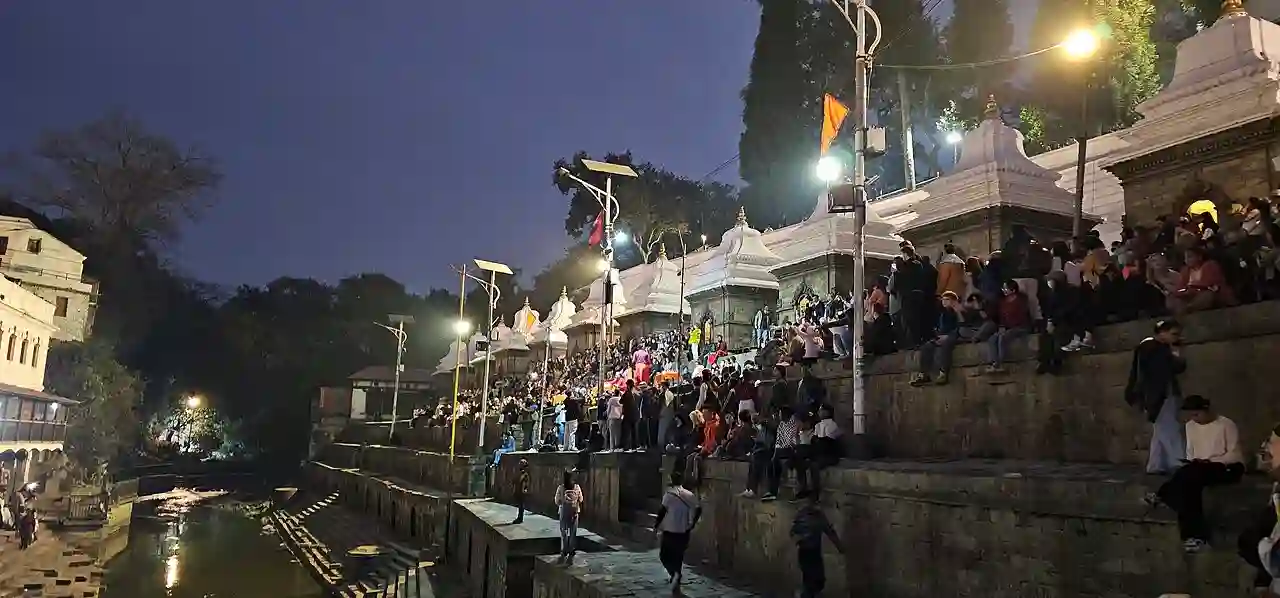
The city flourishes in the Kathmandu valley, at the confluence of the Bagmati and Vishnumati rivers. Surrounded by medium-sized mountains, it benefits from a strategic position about 140 kilometers south of the Himalayan range. This privileged location makes it the nerve center of the country, effectively connecting the various Nepalese regions.
Ambiance and character
The unique atmosphere of Kathmandu arises from the harmonious meeting of ancestral traditions and modernity. Its lively alleys resonate with a thousand colors and scents, while the markets vibrate with constant activity punctuated by numerous traditional festivals. The Thamel neighborhood perfectly embodies this cosmopolitan spirit, attracting travelers from all over the world with its artisan shops, varied restaurants, and welcoming accommodations.
Climate
The temperate subtropical climate offers two well-defined seasons. The dry season, extending from October to May, is characterized by pleasant temperatures and generous sunshine. In contrast, the monsoon season, from June to September, brings heavy rainfall accompanied by high atmospheric humidity.
Best season to visit
The optimal period extends from October to April, corresponding to the dry season. These months offer ideal weather conditions with mild temperatures, clear skies, and an atmosphere conducive to both sightseeing and mountain trekking expeditions.
Access
Tribhuvan International Airport (KTM) serves as the main gateway, located just 6 kilometers from the city center. This airport hub accommodates both international and domestic flights. The connection to the urban center is easily achieved through taxi and regular bus services.
Internal transport
The capital offers several transportation options suited to the varied needs of visitors:
- Local buses: extensive network but often crowded and with unpredictable schedules
- Taxis: numerous and available, requiring prior fare negotiation
- Rickshaws: concentrated in tourist areas for short trips
- Bicycle and motorbike rentals: possible but complicated by heavy traffic and lack of dedicated infrastructure
The city currently has no subway or tram system.
Top 50
Wikipedia
Viator activities
Tiqets activities
Top 50
Reviews
Log in for free to add a review and discover others'.