

Malé
General presentation
Top 50
History, culture & traditions
Travel advice
Wikipedia
Viator activities
Tiqets activities
Global presentation
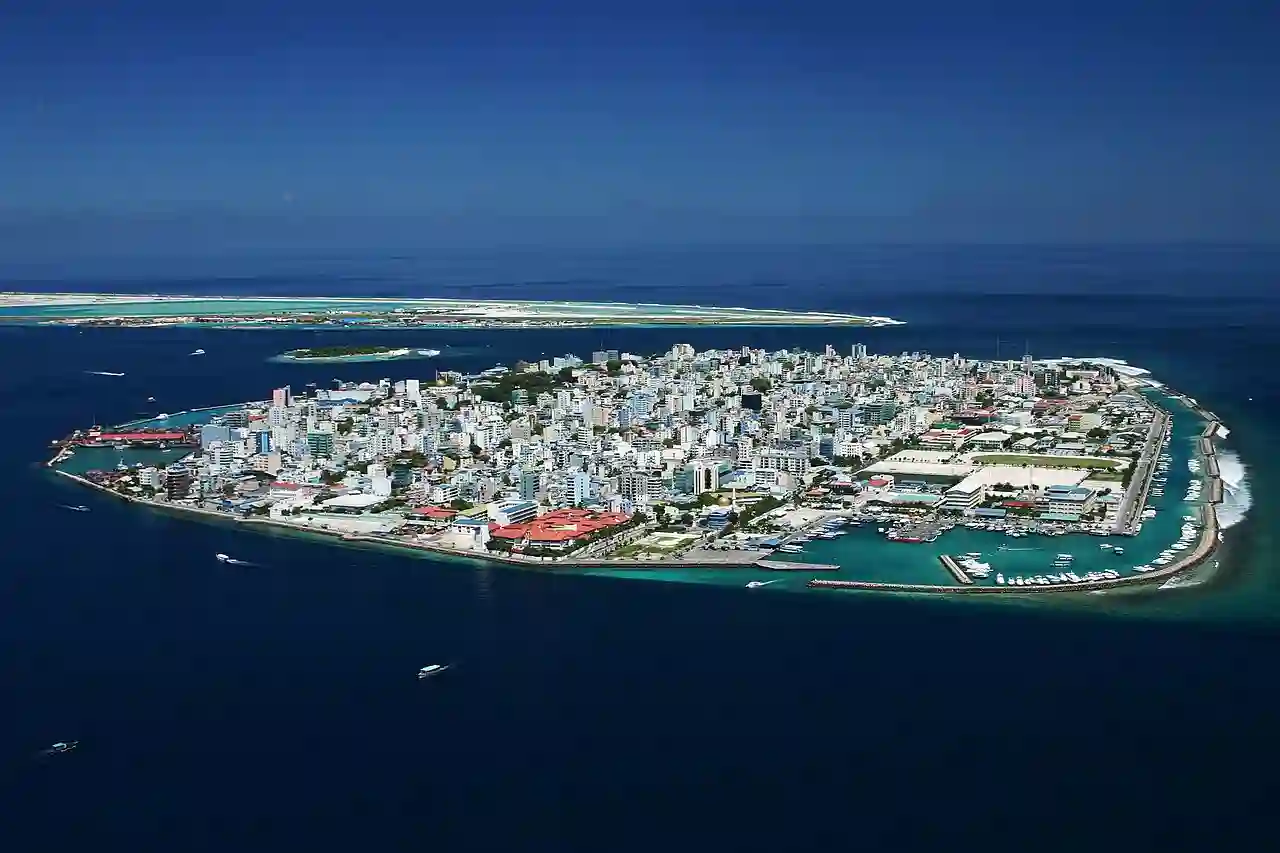
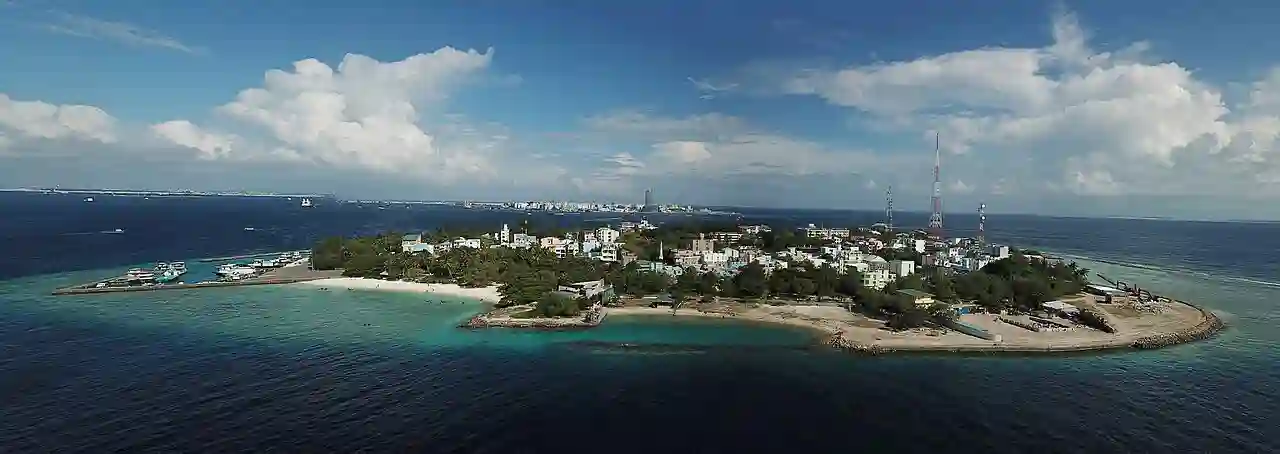
Capital of the Maldives, this unique city concentrates the political, economic, and cultural power of the archipelago in a remarkably small area. With its 5.7 km² that is home to around 215,000 inhabitants, it ranks among the most densely populated cities in the world. Despite this exceptional urban concentration, it offers visitors an authentic immersion in Maldivian life, where modernity and ancestral traditions harmoniously blend.
Geographical situation
Located to the south of the North Malé Atoll, in the heart of the Indian Ocean, the capital is about 700 km southwest of Sri Lanka and 400 km south of India. Built on a fully urbanized island, it had to expand through land reclaimed from the sea to meet the needs of its constant population growth.
Atmosphere and character
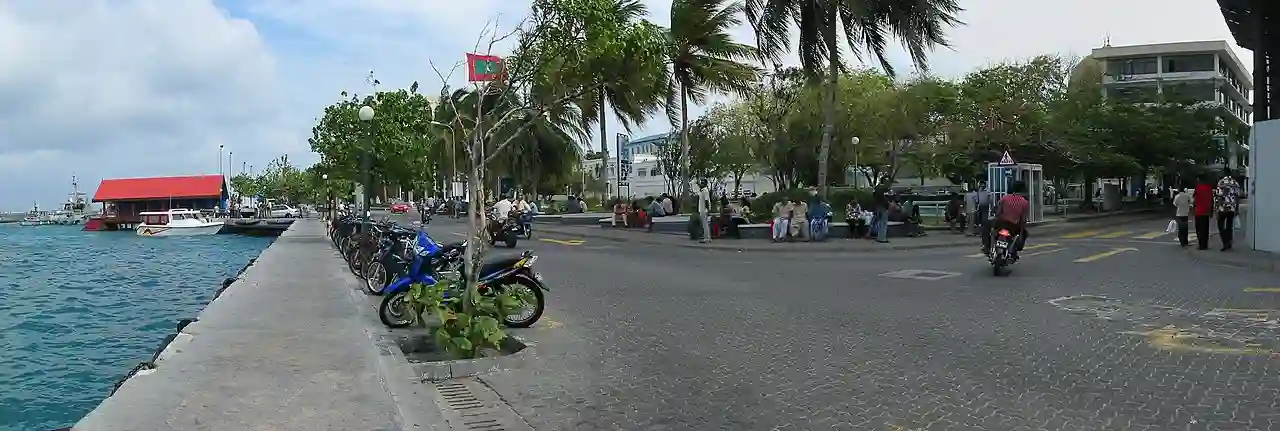
The atmosphere of this island capital is decidedly lively, where traditions and modernity naturally coexist. Local markets, including the famous fish market, offer an authentic experience of Maldivian culture. The narrow streets, lined with shops, cafés, and mosques, faithfully reflect the local way of life. Despite its high urban density, the city maintains a friendly and welcoming atmosphere that characterizes Maldivian hospitality.
Climate
The tropical climate ensures constant temperatures ranging from 26°C to 34°C throughout the year. The year is divided into two distinct seasons:
- North-East Monsoon (Iruwai): from December to March, the dry season with low precipitation
- South-West Monsoon (Hulhangu): from May to November, characterized by more frequent showers and stronger winds
Best time to visit
The optimal period extends from January to April, during the dry season. This period offers maximum sunshine and calm seas, ideal conditions to fully enjoy water activities and explore the city.
Access
The international airport, located on the neighboring island of Hulhulé, serves as the main entry point. It welcomes direct or connecting flights from many international destinations. An efficient ferry service operates between the airport and downtown every 30 minutes, from 6 AM to midnight.
Internal transport
The small size of the city naturally favors walking. Taxis are available with a flat rate generally set around 15 MVR per ride - it is recommended to agree on the price before departure. To reach other islands, traditional boats called "dhonis" and regular ferries ensure inter-island connections.
Top 50
Wikipedia
Viator activities
Tiqets activities
Top 50
Reviews
Log in for free to add a review and discover others'.