




Tokyo
General presentation
Top 50
History, culture & traditions
Travel advice
Wikipedia
Viator activities
Tiqets activities
Overall presentation
Capital of Japan, Tokyo is an exceptional metropolis of 14 million inhabitants that perfectly embodies the harmonious coexistence of tradition and modernity. As the political, economic, and cultural nerve center of the country, this fascinating city offers an impressive array of attractions, from centuries-old temples to avant-garde skyscrapers, along with a globally renowned culinary scene. This unique diversity makes Tokyo a must-visit destination for any traveler in search of authentic and innovative experiences.
Geographical situation
The metropolis flourishes on the eastern coast of the island of Honshū, majestically stretching along its eponymous bay. Its territory of 2,194 km² is bounded by the prefectures of Chiba to the east, Yamanashi to the west, Kanagawa to the south, and Saitama to the north. This vast expanse encompasses not only dense urban areas but also picturesque mountainous regions and volcanic islands of the Pacific, including the Izu and Ogasawara archipelagos, thus offering remarkable geographical diversity.
Atmosphere and character
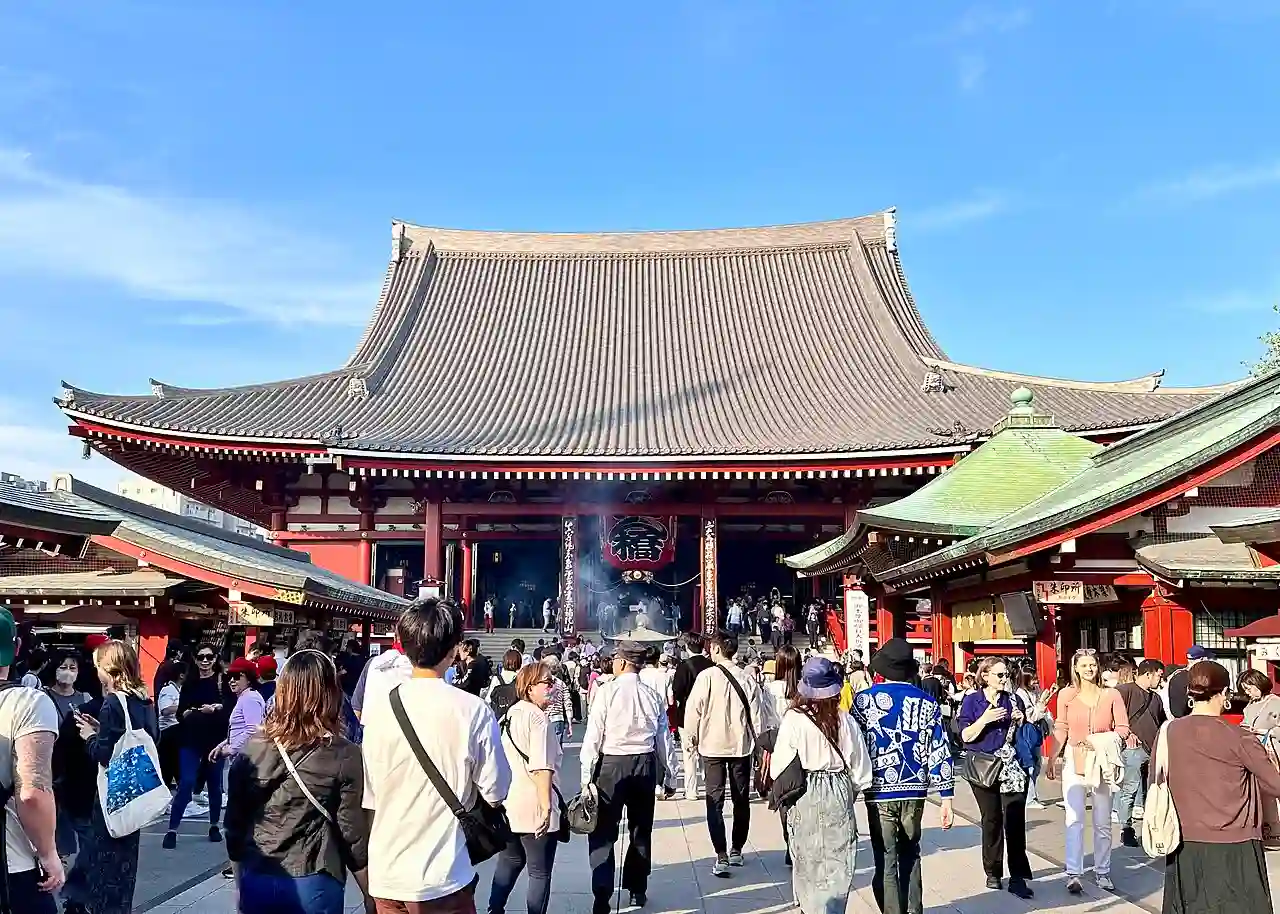
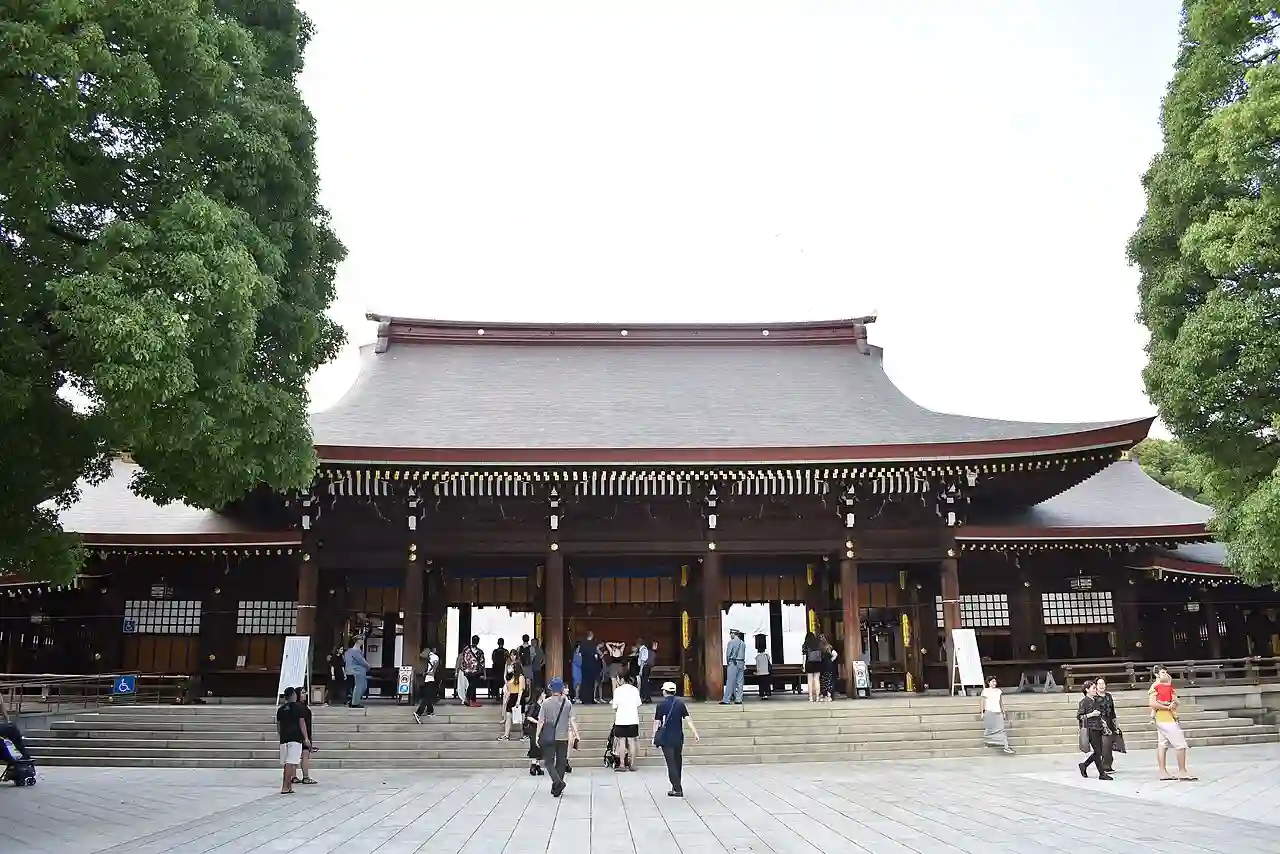
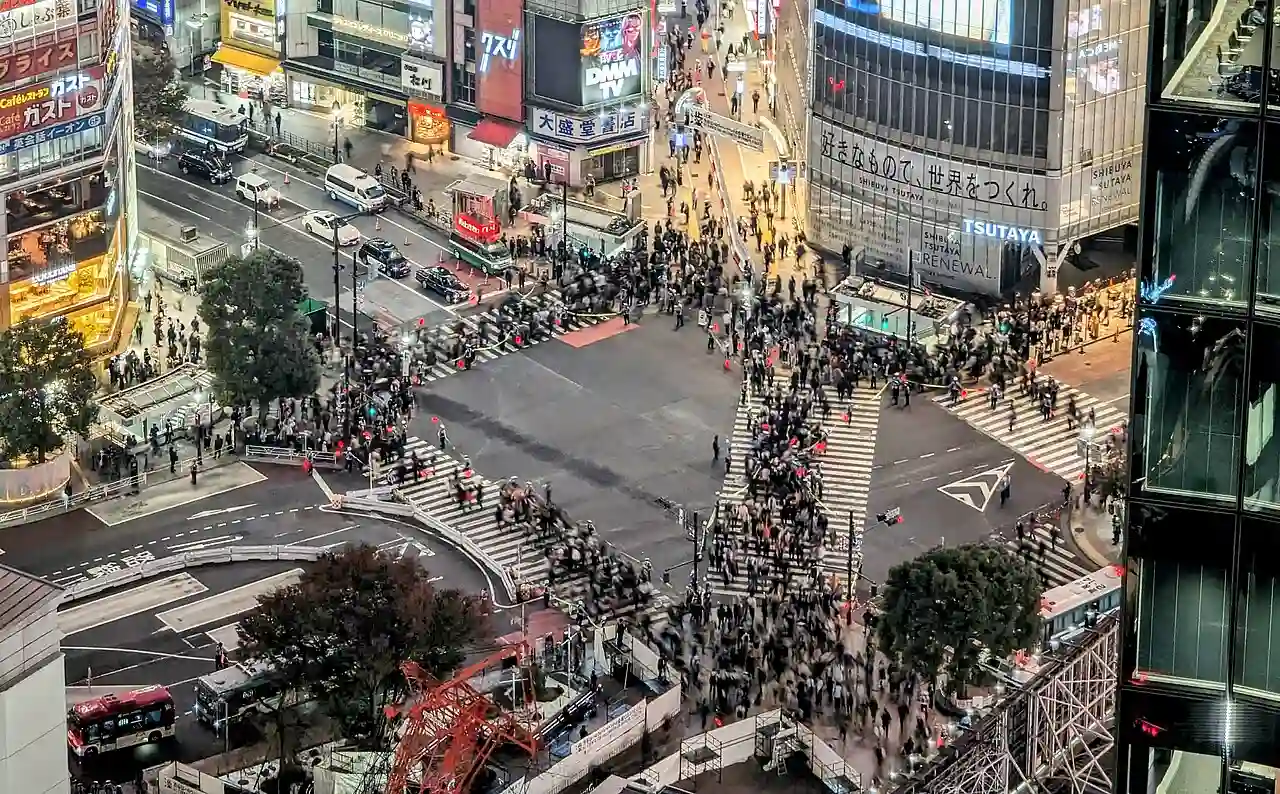
This city with a thousand faces reveals a rich and contrasting personality. Urban vibrancy reaches its peak in the iconic districts of Shibuya and Shinjuku, where the exhilarating nightlife animates the streets day and night. In striking contrast, districts like Asakusa preserve a traditional atmosphere steeped in serenity, where ancestral temples and artisan markets perpetuate the authentic soul of Japan. This cultural mosaic allows each visitor to compose their own journey according to their desires and pace.
Climate
The humid subtropical climate of the region is characterized by four distinct seasons:
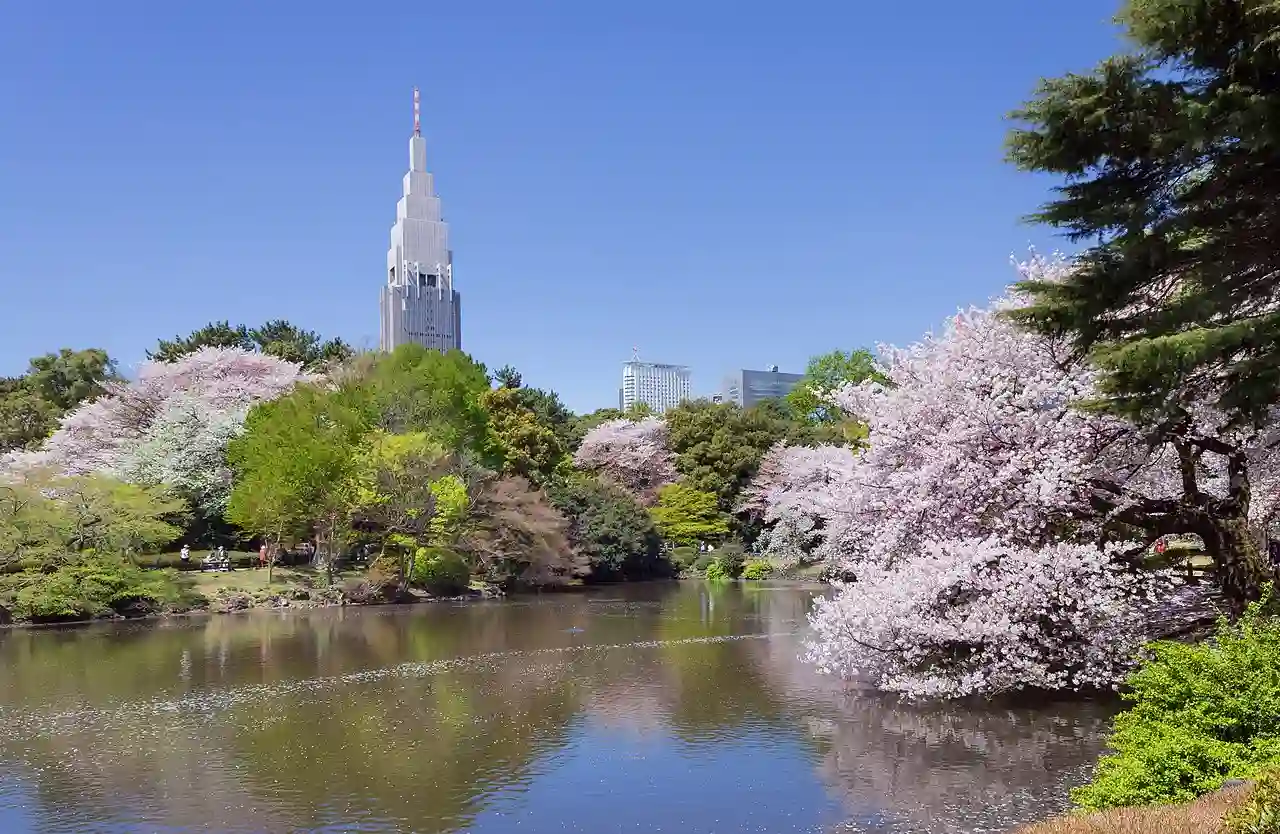
- Spring (March-May): mild temperatures ranging from 10 to 22°C, illuminated by the famous cherry blossom bloom
- Summer (June-August): hot and humid period with temperatures from 23 to 31°C, marked by the rainy season in June
- Autumn (September-November): pleasant weather from 13 to 22°C, enhanced by the foliage with vibrant colors
- Winter (December-February): cool but mild season from 5 to 13°C, with rare snowfall
Best season to visit
Spring and autumn are the preferred times to discover the Japanese capital. Spring enchants with its cherry blossoms that transform the city into a poetic tableau, while autumn captivates with its golden and purple foliage. These intermediate seasons also offer the advantage of ideal temperatures and a more moderate tourist influx than in summer.
Access
The city is served by two major international airports:
- Narita Airport (NRT): located 60 km to the east, it mainly accommodates international flights. The Narita Express (N'EX) connects the airport to the city center in about an hour
- Haneda Airport (HND): closer at 20 km to the south, it offers domestic and international connections. The Tokyo Monorail allows access to the city in 15 to 30 minutes
The capital also constitutes a strategic railway hub, with the central station serving the Shinkansen network (high-speed trains) linking all major Japanese metropolises.
Internal transportation
The public transport network, of legendary efficiency, facilitates all movements:
- Subway and urban trains: 13 subway lines and an extensive JR network cover the entire urban territory. Suica or PASMO cards greatly simplify travel
- Buses: they harmoniously complement the rail network, particularly in less well-served areas
- Taxis and ride-hailing services: omnipresent but relatively expensive
- Bicycles: self-service rental services offer an eco-friendly and pleasant alternative to explore the city at one's own pace
Top 50
Wikipedia
Viator activities
Tiqets activities
Top 50
Reviews
Log in for free to add a review and discover others'.