


Osaka
General presentation
Top 50
History, culture & traditions
Travel advice
Wikipedia
Viator activities
Tiqets activities
Overall presentation
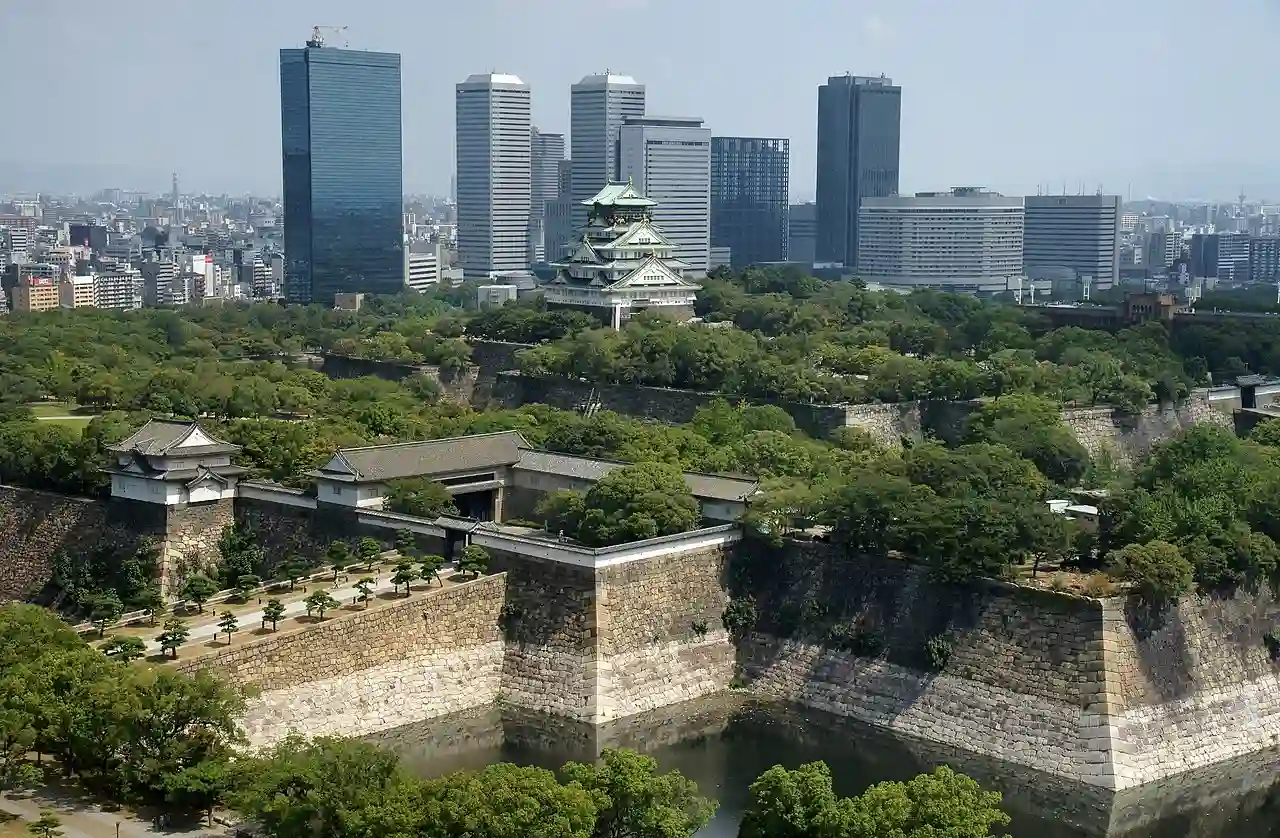
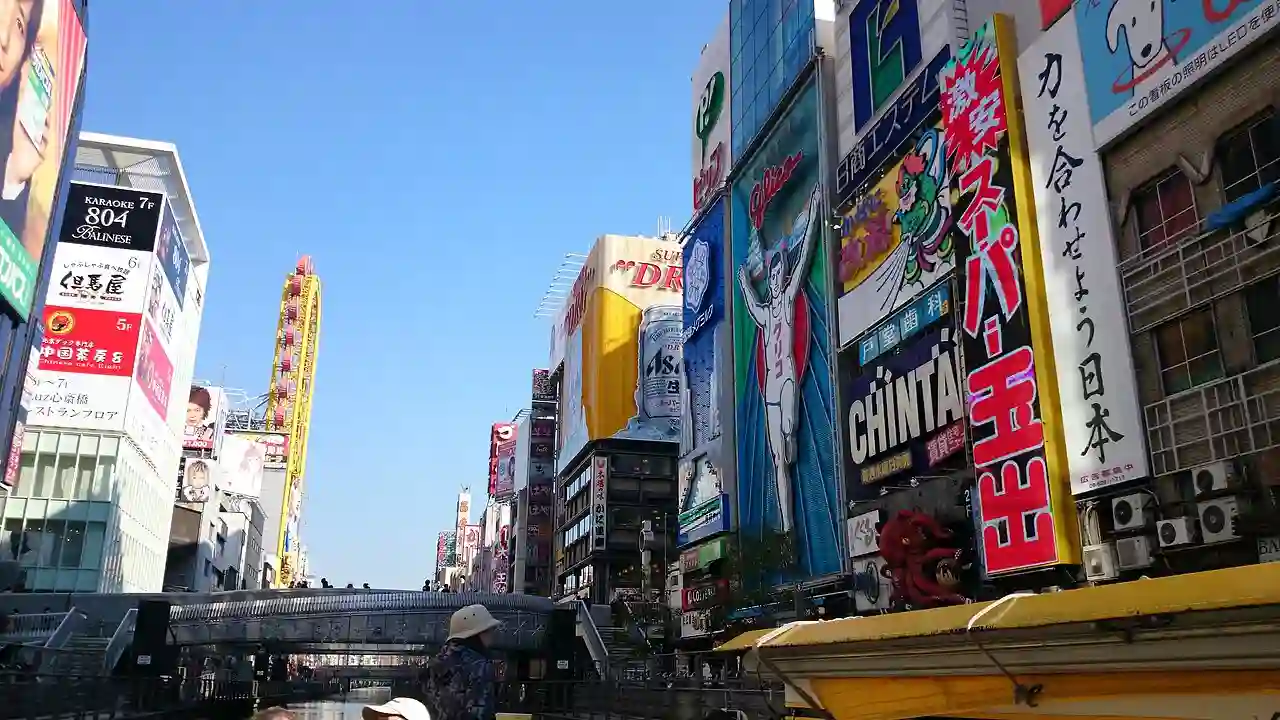
As Japan's third-largest city, Osaka shines with its exceptional economic and cultural dynamism. Affectionately nicknamed "the kitchen of Japan", it has earned a global reputation thanks to its rich and varied gastronomy, particularly its famous specialties like takoyaki (octopus balls) and okonomiyaki (savory pancakes). This fascinating metropolis harmoniously combines vibrant modernity with centuries-old traditions, offering visitors iconic neighborhoods such as Dōtonbori, famous for its spectacular neon signs and vibrant nightlife. Beyond its image as a culinary capital, the city reveals a rich historical heritage, symbolized by the imposing Osaka Castle that proudly dominates the city.
Geographical situation
Located on the island of Honshū, the city occupies a strategic position in the Kansai region, flourishing along the shores of Osaka Bay, alongside the picturesque Seto Inland Sea. This privileged location places it in close proximity to two Japanese cultural gems: Kyoto, the former imperial capital, and Nara, the country's first permanent capital, greatly facilitating exploration of these major historical centers during a stay in the region.
Atmosphere and character
The unique atmosphere of Osaka is characterized by a warm human touch and a natural relaxed vibe that distinguishes the city from the rest of the archipelago. The residents, proudly known as Osakajins, are renowned for their legendary sense of humor and spontaneous hospitality, creating a friendly and welcoming ambiance. The particularly lively nightlife culminates in the mythical Dōtonbori district, where a continuous ballet of colorful neon signs illuminates a multitude of restaurants, bars, and entertainment venues, offering an unforgettable urban experience.
Climate
The territory boasts a humid subtropical climate characterized by four distinct seasons. Winters are relatively mild with average temperatures around 6°C in January, while summers are hot and humid, averaging 29°C in August. The monsoon season, known as the rainy season, typically lasts from June to July, bringing significant but essential rainfall to the local ecosystem.
Best season to visit
Two periods are particularly favorable for discovering the region: spring (March to May) and autumn (September to November). The spring season offers the enchanting spectacle of cherry blossom, creating breathtaking landscapes, especially around the historic castle. Autumn delights with its mild temperatures and colorful scenery, providing ideal conditions for exploring the city and its surroundings in optimal comfort.
Access
Aerial connectivity is primarily provided by two major infrastructures: Kansai International Airport (KIX), the gateway for international flights, and Itami Airport (ITM), dedicated to domestic connections. Ground access is equally efficient thanks to the Shinkansen high-speed rail network, with Shin-Osaka Station serving as the main arrival point for travelers from other Japanese regions.
Internal transport
Urban mobility relies on a particularly developed and efficient public transport network, including:
- Nine subway lines covering the entire metropolitan area
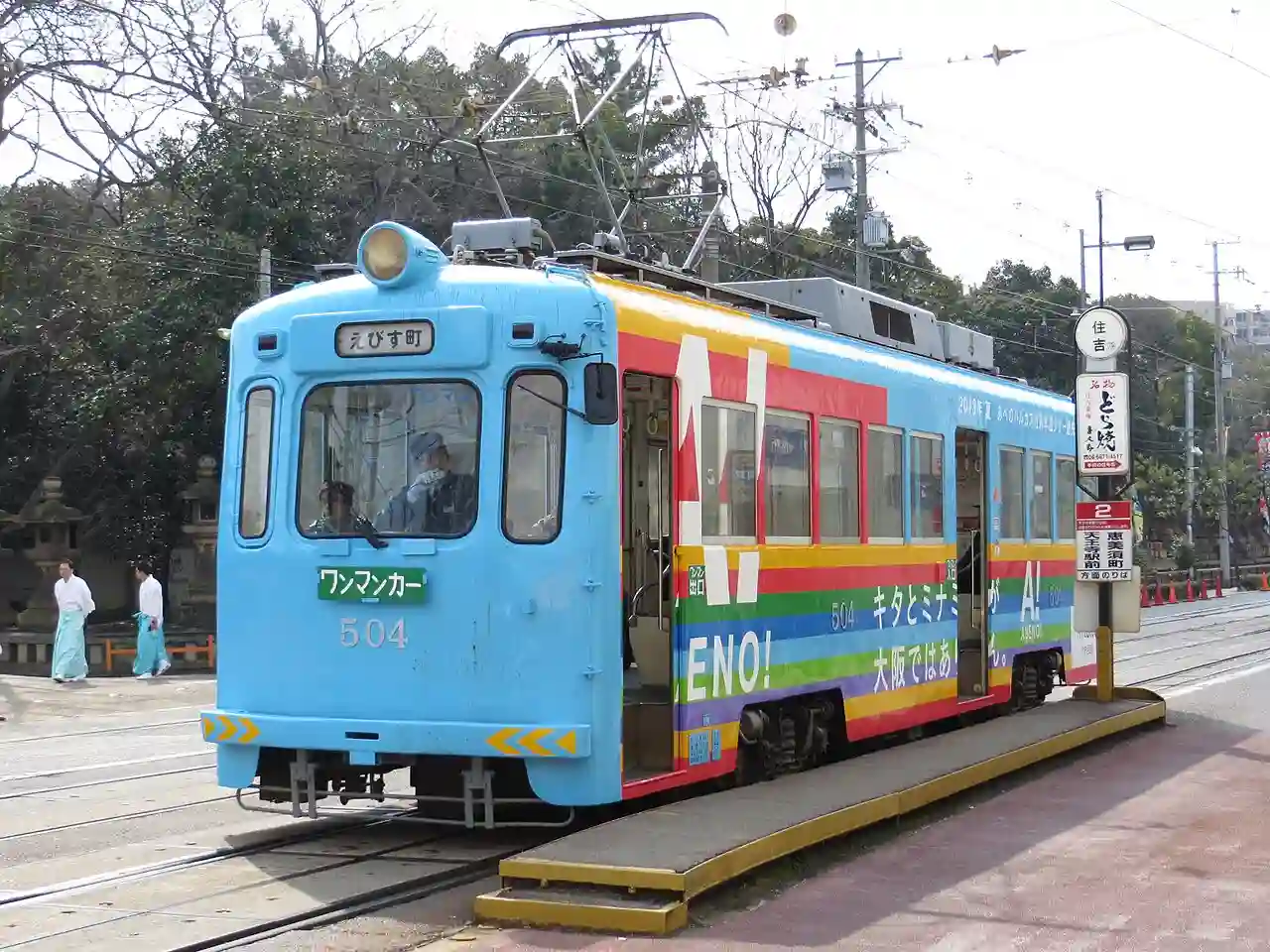
- A complementary network of tram lines
- A dense network of bus routes
The subway is the most convenient means of transportation for intra-urban travel, with special day tickets designed to facilitate visitors' movements and optimize their exploration of the city.
Top 50
Wikipedia
Viator activities
Tiqets activities
Top 50
Reviews
Log in for free to add a review and discover others'.