


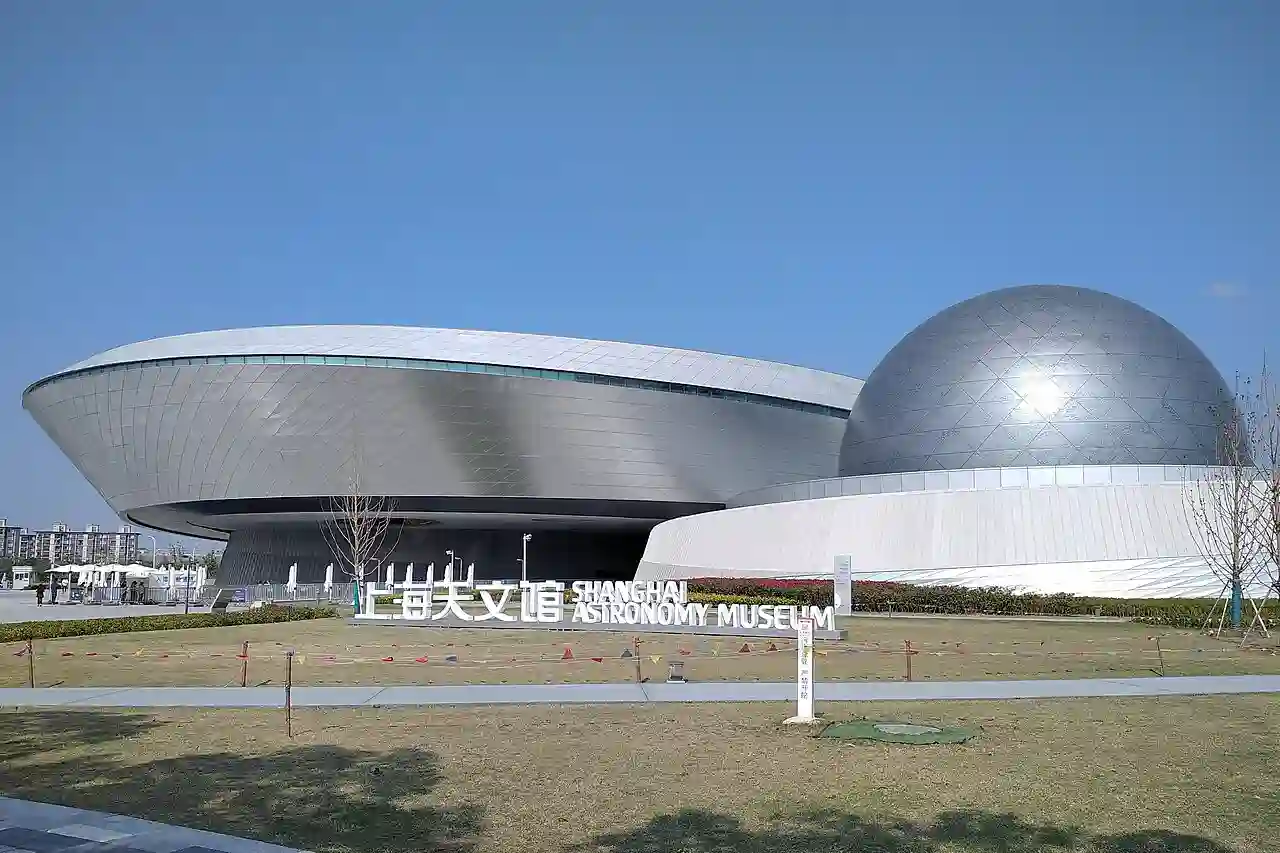
Shanghai
General presentation
Top 50
History, culture & traditions
Travel advice
Wikipedia
Viator activities
Tiqets activities
Overall presentation
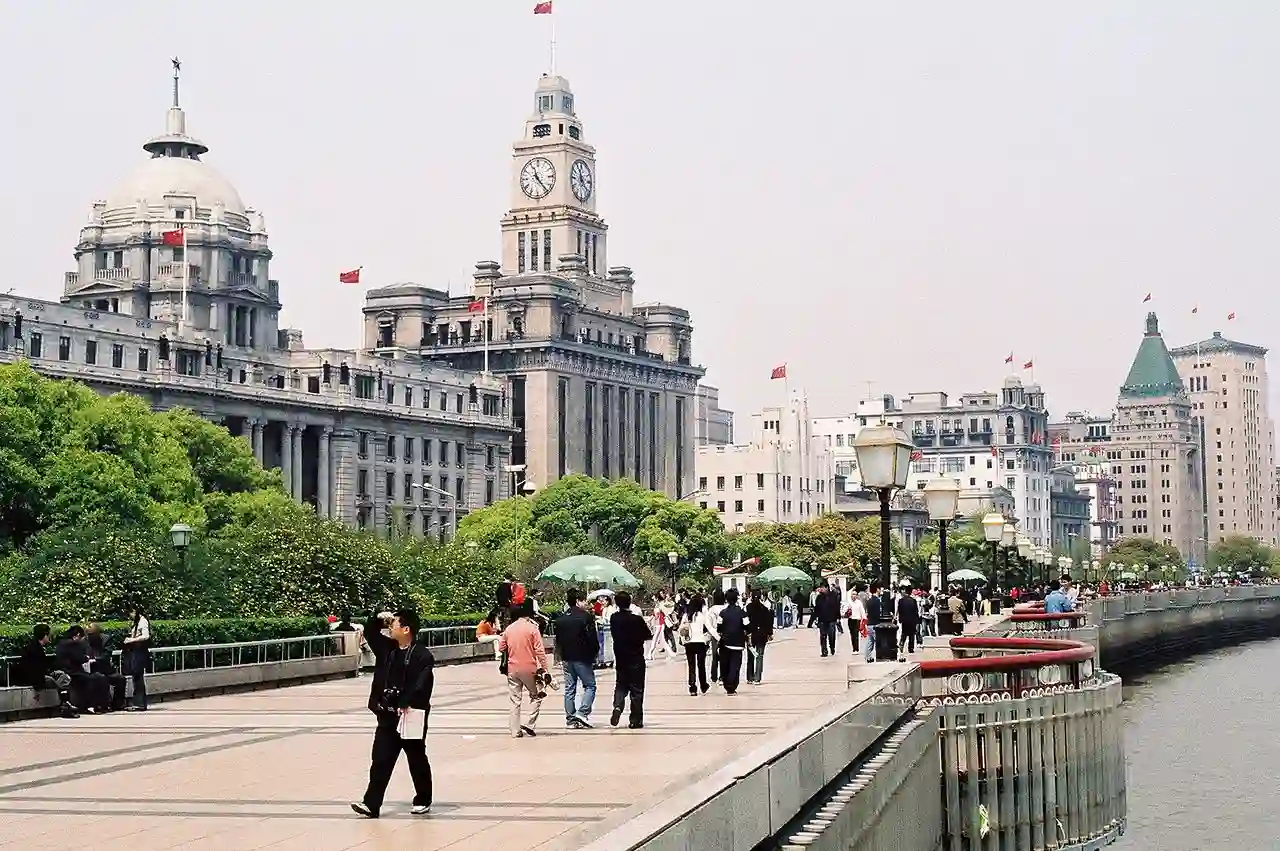
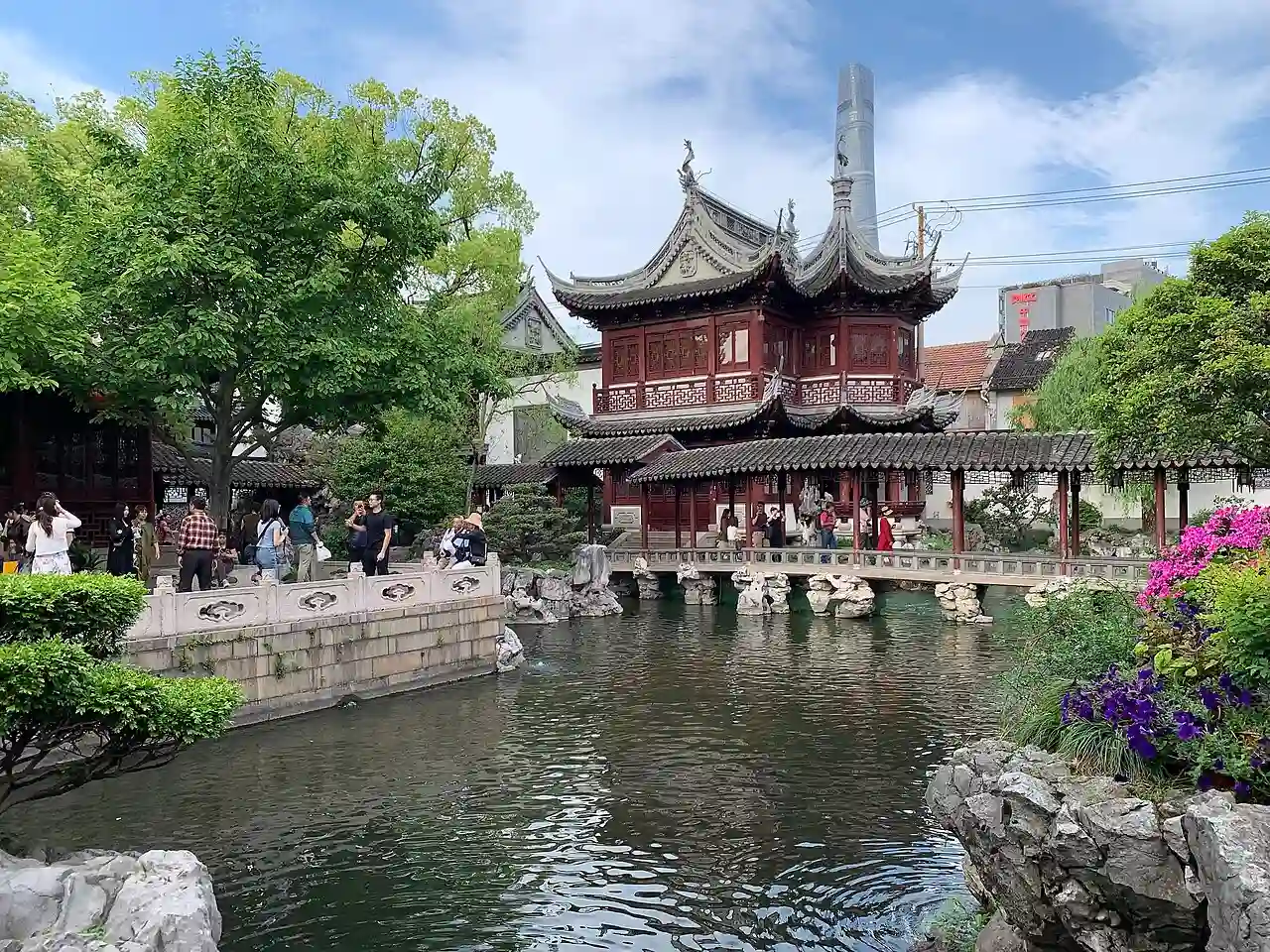
This dynamic and cosmopolitan metropolis, nicknamed the "Pearl of the Orient" or the "Paris of the East," serves as the main commercial and industrial center of China. Home to one of the largest ports in the world, it stands out for its harmonious blend of modern architecture and traditional neighborhoods, offering a rich cultural and historical palette that makes it a top destination.
Geographical situation
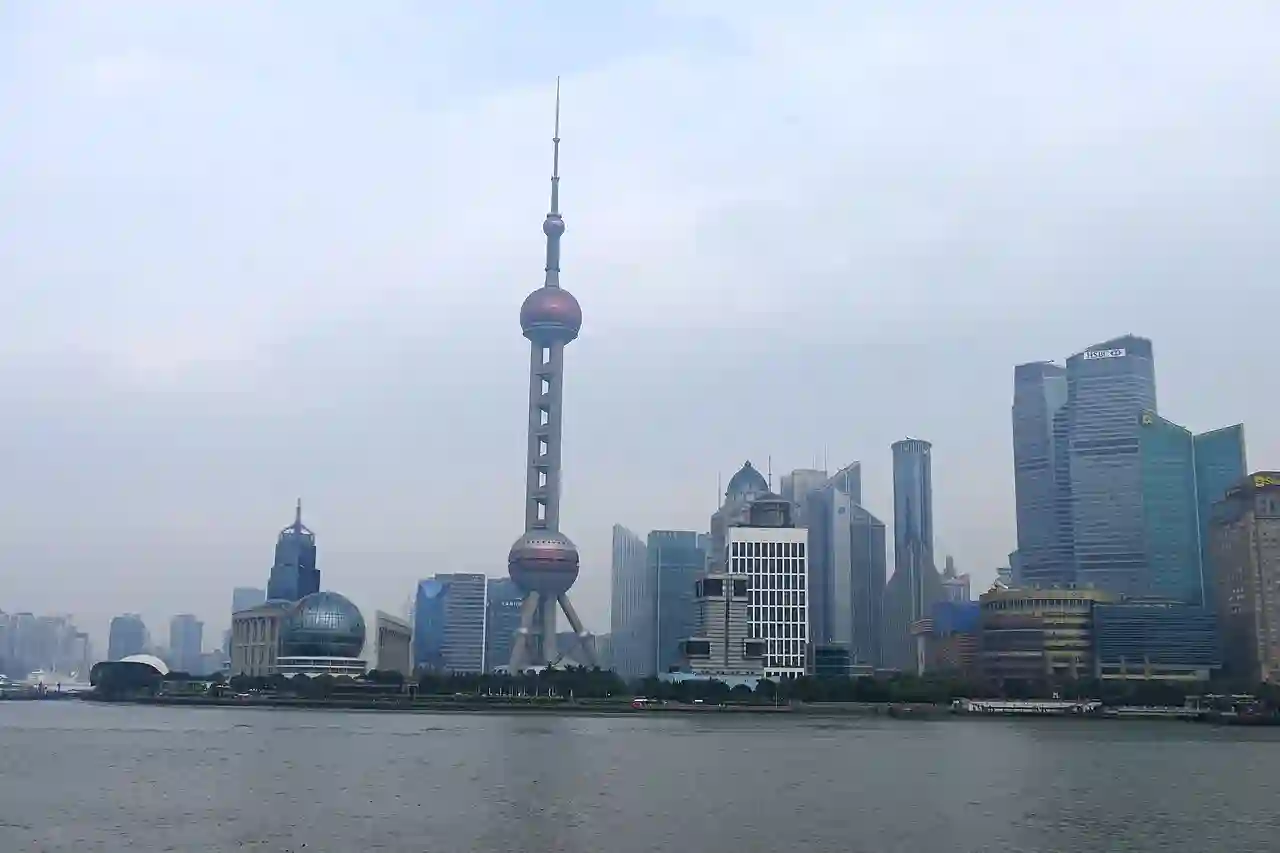
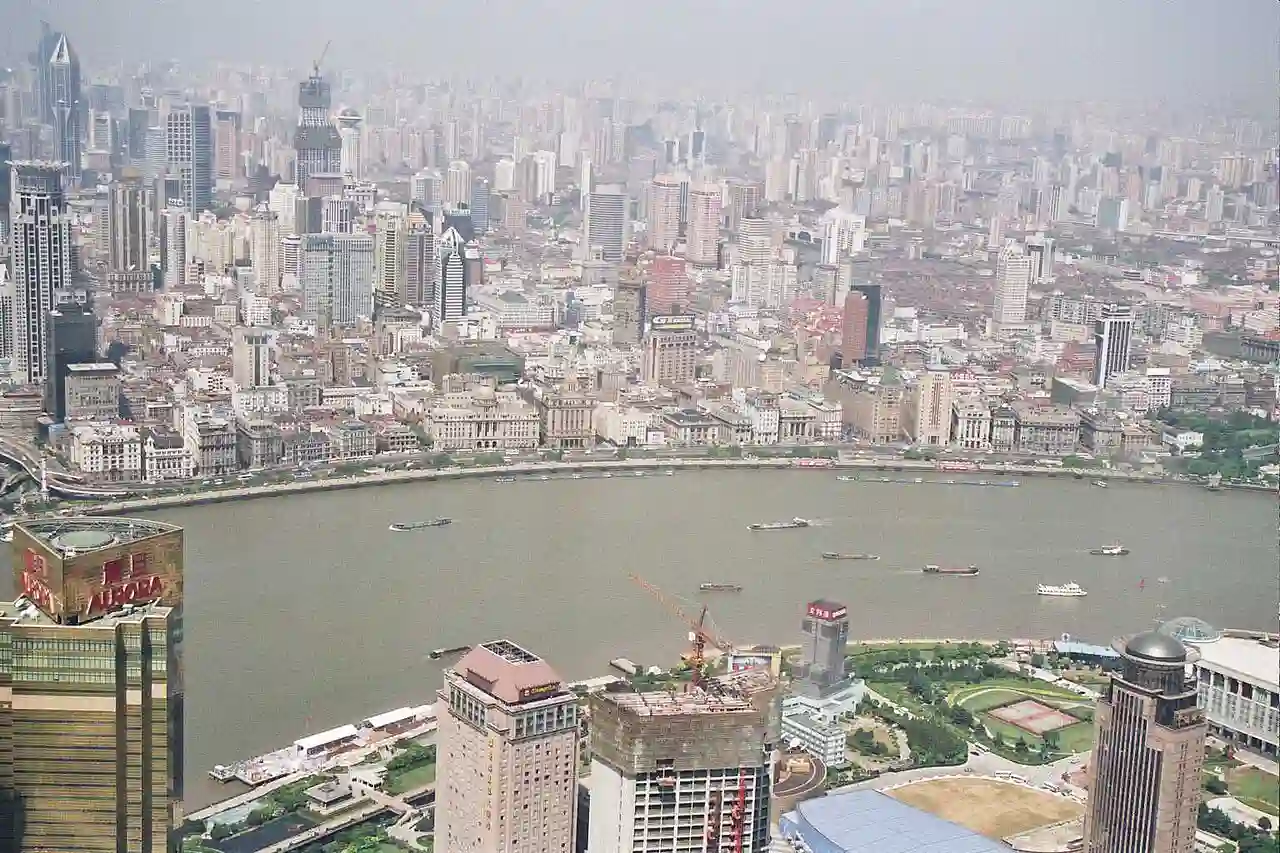
Located in the east of the country on the Huangpu River, near the mouth of the Yangzi Jiang, the city is bordered by the East China Sea. It is divided into two main parts: Puxi to the west and Pudong to the east of the river, this particular geography shaping its unique urban development.
Atmosphere and character
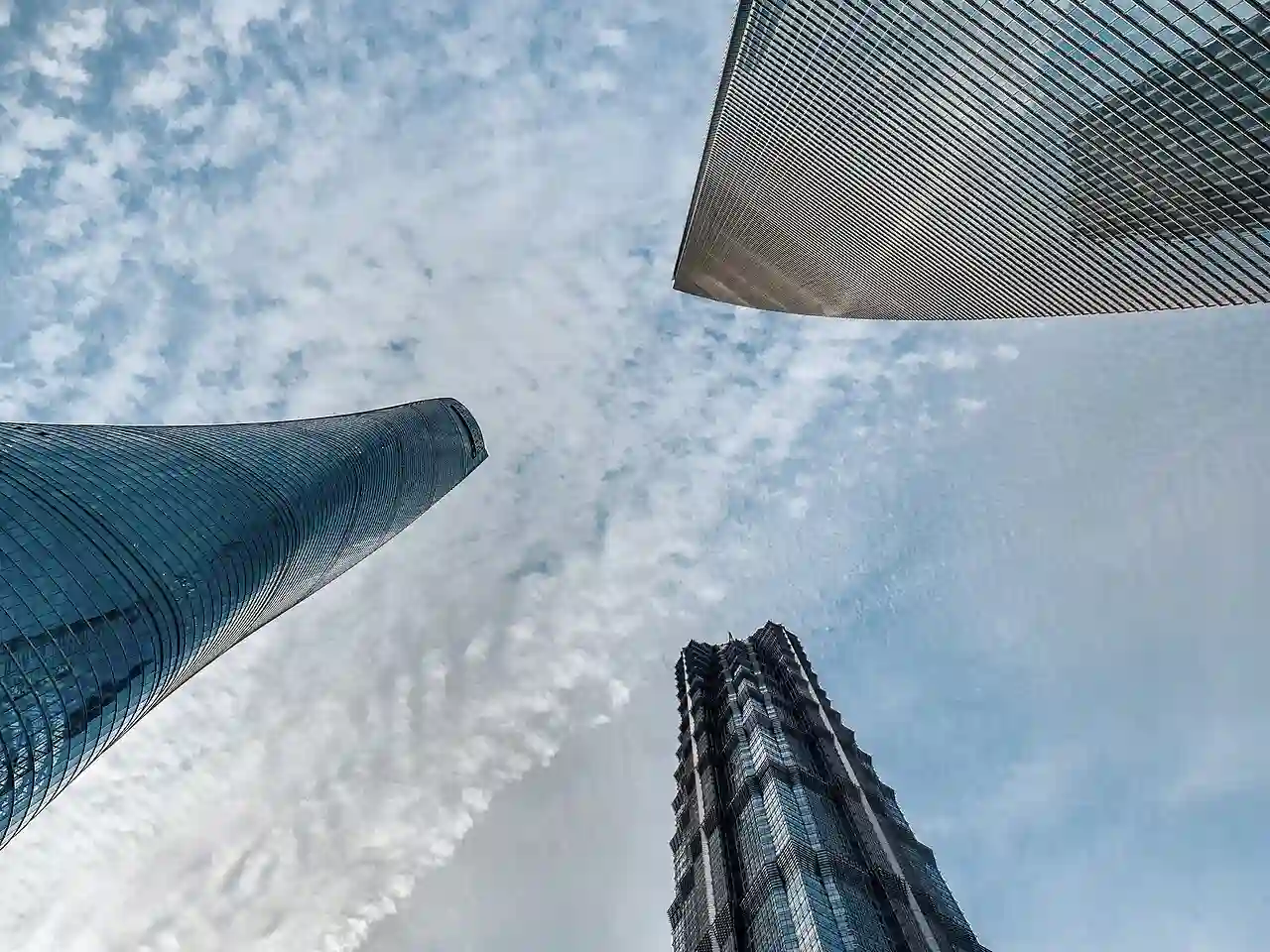
The vibrant atmosphere of this destination remarkably combines tradition and modernity. Historical districts, including the former French concession, harmoniously coexist with futuristic skyscrapers like those in the Lujiazui area. This architectural diversity reflects an open and dynamic culture, creating a desirable environment for business, tourism, and culinary exploration.
Climate
The humid subtropical climate offers four distinct seasons. Winters, from December to February, remain relatively mild but can feel cool, with temperatures comparable to those in France, although the perceived temperature may be slightly colder. Summers, from June to August, are characterized by humid heat with temperatures reaching up to 35°C. The rainy season, influenced by the monsoon, extends from June to September, during which typhoons may occur.
Best time to visit
Two periods are particularly favorable for exploration:
- Spring (mid-March to the end of May)
- Autumn (September to early November)
These seasons offer pleasant temperatures and a drier climate, ideal for tourist activities and urban exploration.
Access
The city is served by two major international airports:
- Pudong International Airport (PVG): mainly dedicated to international flights
- Hongqiao International Airport (SHA): serving domestic flights and some regional flights
As an important railway hub, it has several major train stations, including the central station and Hongqiao station, connected to major Chinese cities via high-speed trains.
Internal transports
The extensive and efficient public transport network includes:
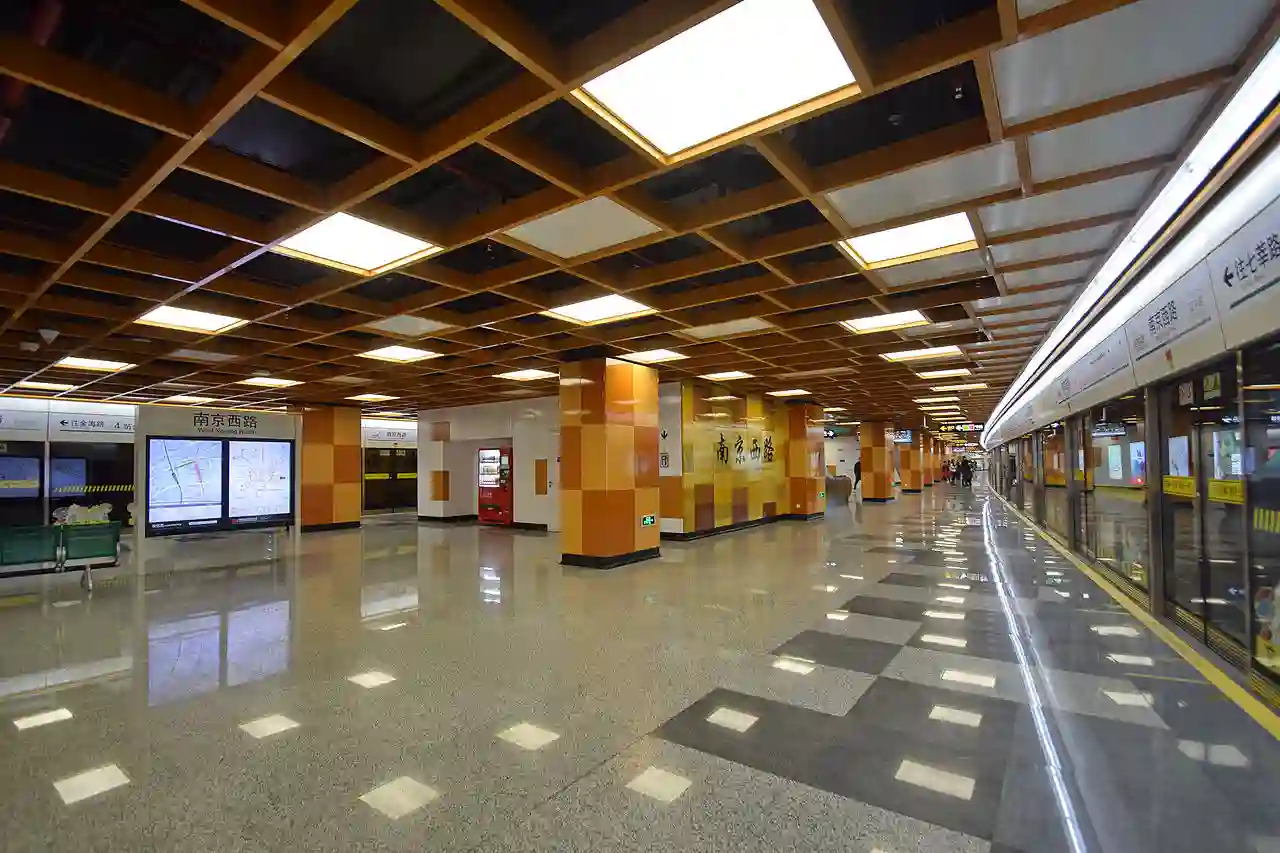
- Metro: 19 lines forming the largest metro network in the world in terms of length
- Buses: a fleet of over 40,000 vehicles, including trolleybuses on century-old lines
- Taxis and ride-hailing services: numerous and easily accessible
- Ferries: ensuring the crossing of the Huangpu River between Puxi and Pudong
- Shared bikes: available for short trips
A magnetic levitation train (maglev) connects downtown to Pudong International Airport in about seven minutes, reaching an impressive speed of 430 km/h.
Top 50
Wikipedia
Viator activities
Tiqets activities
Top 50
Reviews
Log in for free to add a review and discover others'.