


Antananarivo
General presentation
Top 50
History, culture & traditions
Travel advice
Wikipedia
Viator activities
Tiqets activities
Overall presentation
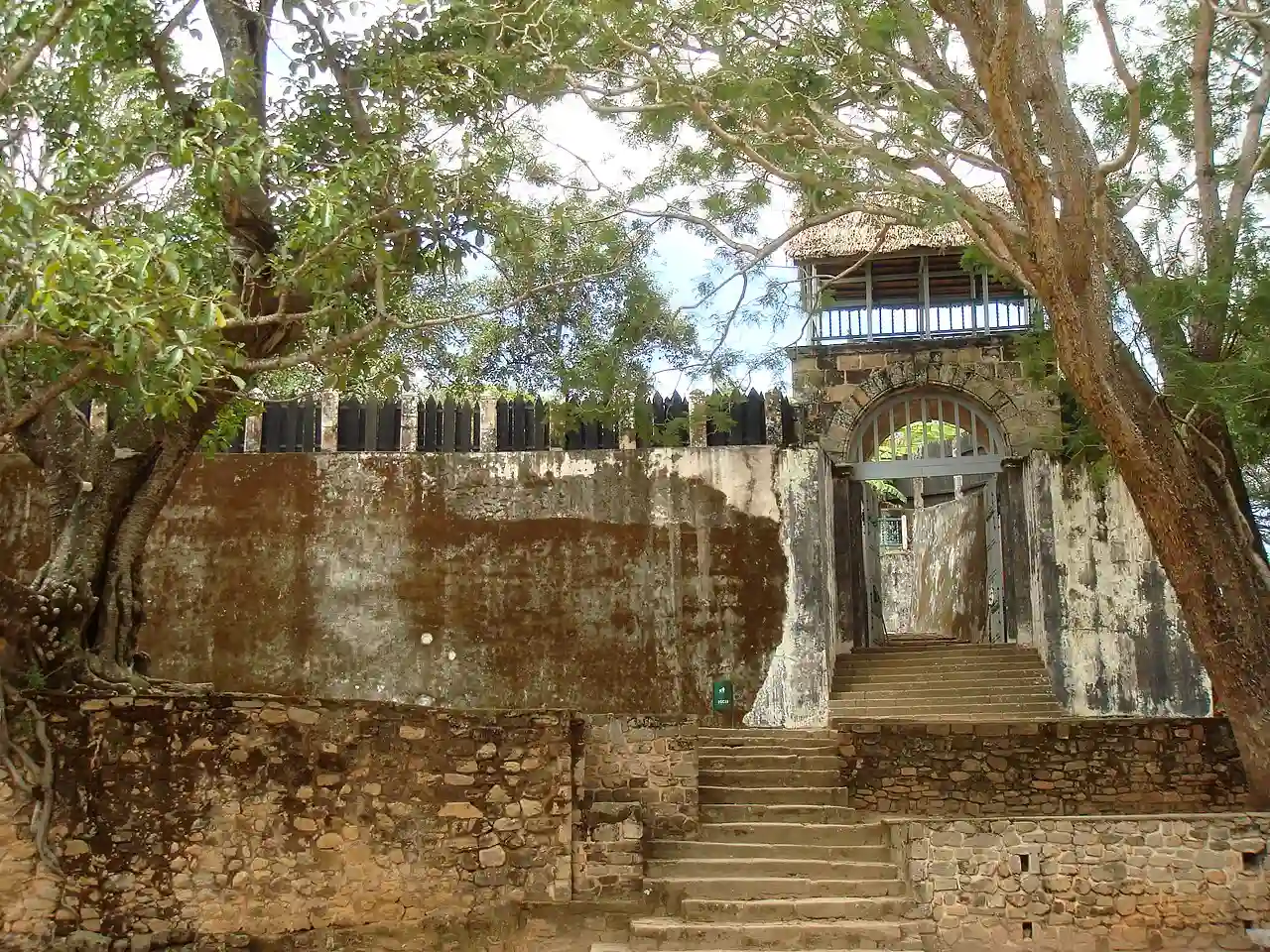
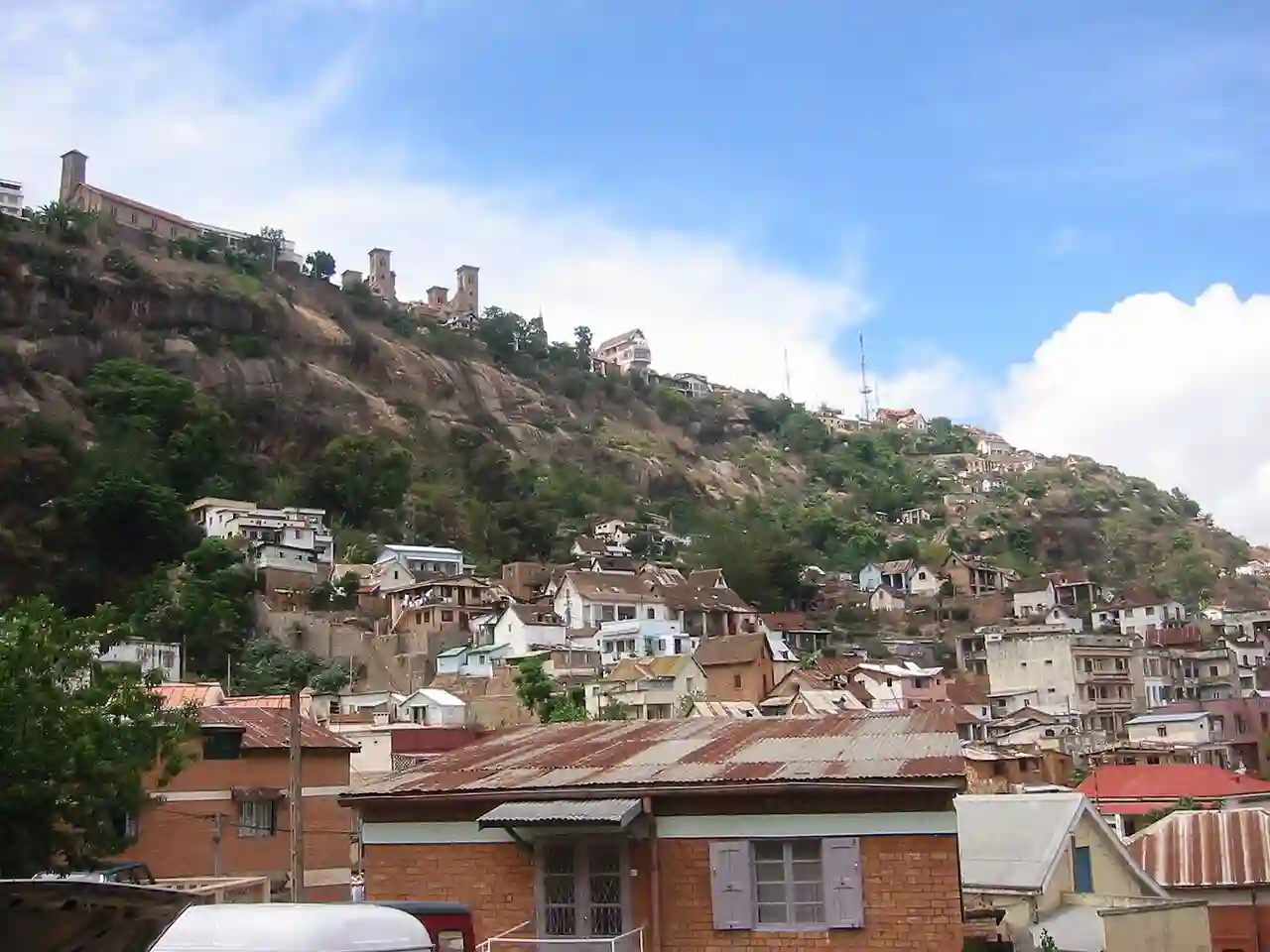
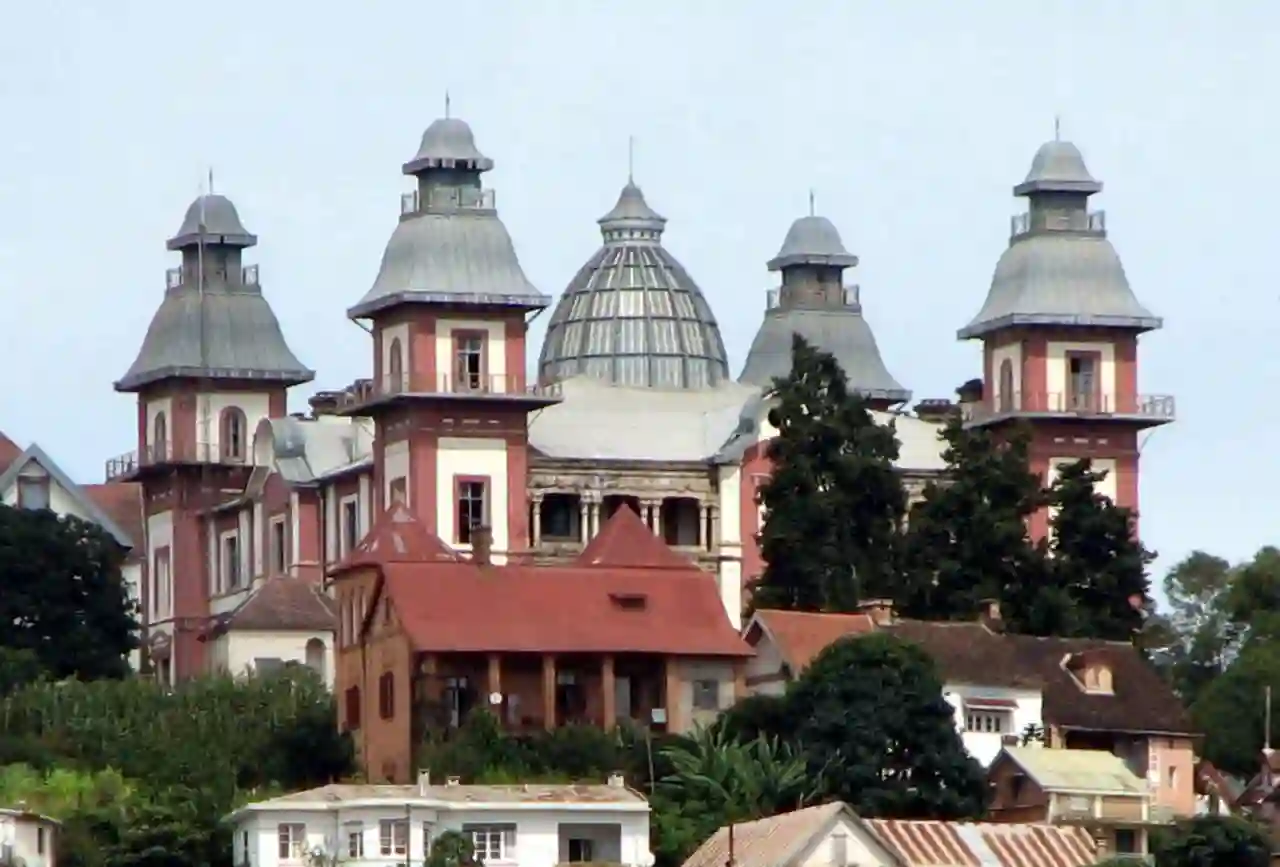
Antananarivo, affectionately nicknamed "Tana", stands as the political and economic capital of Madagascar. Perched at 1,280 meters above sea level on the high plateaus, it serves as the true cultural heart of the country. This fascinating metropolis offers a harmonious blend of ancestral Malagasy traditions and colonial influences, creating a unique urban identity. Its hills dotted with brightly colored houses, its bustling markets, and its iconic historical sites like the Rova, former royal palace, testify to a rich heritage where history and modernity coexist elegantly.
Geographical situation
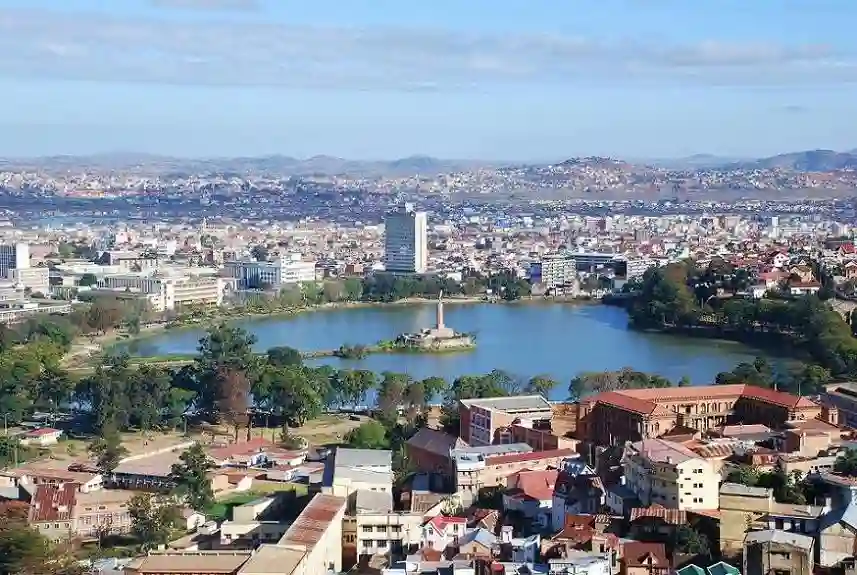
The Malagasy capital occupies a central position on the island, in the heart of the country's high plateaus. It is strategically located about 160 kilometers from the eastern coast and 330 kilometers from the western coast. The city's particular topography, built on a series of rolling hills, offers stunning panoramas, especially with the Rova majestically dominating the urban landscape from its promontory.
Atmosphere and character
The atmosphere of Antananarivo perfectly reflects the cultural diversity of Madagascar. The city pulses with the rhythm of its legendary markets like Analakely, true theaters of daily Malagasy life where smells, colors, and animated conversations mingle. Neighborhoods like Isoraka reveal a more contemporary side with a dynamic nightlife punctuated by tasty restaurants and welcoming bars. As a major cultural center, the capital is home to numerous museums, theaters, and hosts festivals throughout the year, solidifying its status as a vibrant cosmopolitan metropolis.
Climate
The altitude tropical climate gives the city particular climatic characteristics. The winter season, spanning from May to October, brings coolness and dryness with temperatures rarely dropping below 5°C. Summer, from November to April, is characterized by humid heat with peaks reaching up to 35°C. This summer period coincides with the rainy season, during which cyclonic phenomena can occasionally affect the region.
Best season to visit
The optimal period to discover the capital extends from May to October, during the dry season. These months offer ideal weather conditions with pleasant temperatures and almost nonexistent rainfall, perfect for urban exploration and excursions in the surroundings. This period has the additional advantage of coinciding with several local cultural festivals, enriching the tourist experience.
Access
Ivato International Airport serves as the main air gateway, located about 15 kilometers northwest of the city center. This infrastructure provides direct connections to several African and European destinations. For land travel, a network of national roads connects the capital to the rest of the Malagasy territory, although the condition of the road infrastructure can sometimes present challenges.
Internal transport
Urban mobility primarily relies on walking and "taxi-be", these colorful private minibuses that crisscross the city according to well-defined numbered routes. Private taxis complement this transport offer, despite a fleet that is often aging. A recent innovation has marked the urban landscape: since 2024, a modern urban cable car has been put into service to ease traffic and provide a practical alternative for travel. It is worth noting that passenger rail transport has not been available since 2019.
Top 50
Wikipedia
Viator activities
Tiqets activities
Top 50
Reviews
Log in for free to add a review and discover others'.